
The Eternal Empress of Olympus and Guardian of Sacred Bonds
Introduction: Hera’s Timeless Power and Divine Legacy
Among all the gods of ancient Greece, few command as much dignity, authority, and awe as Hera, the revered Queen of Olympus. Known as the Goddess of Marriage, Women, Birth, and Royalty, Hera represents the sacred bonds that hold families, kingdoms, and societies together. She is not just a mythological figure—she is a symbol of strength, sovereignty, loyalty, and fierce protection.
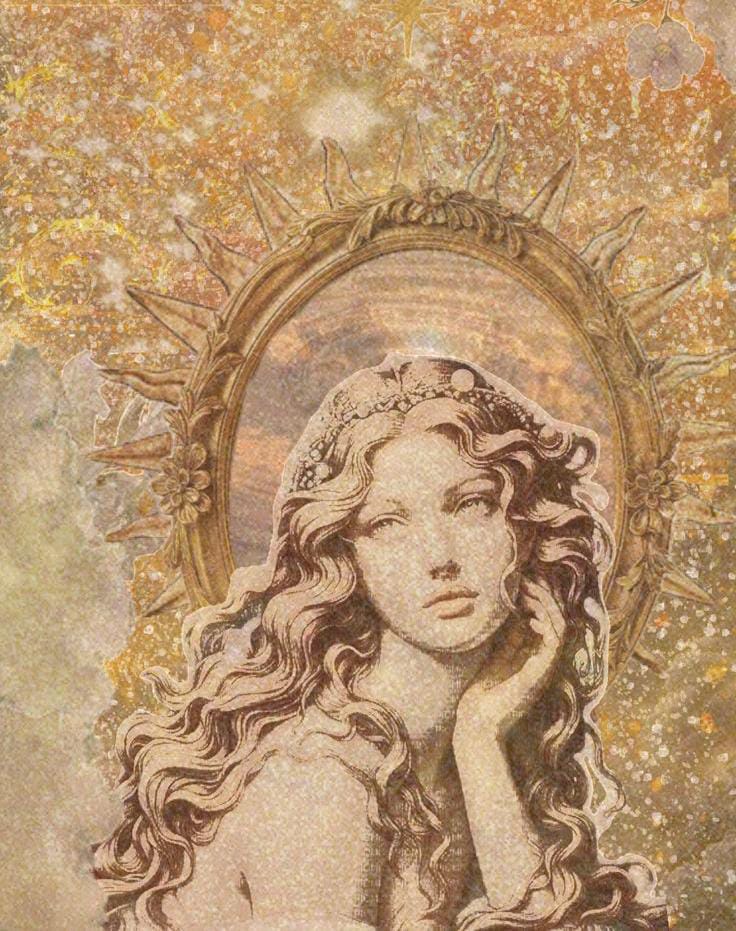
Through centuries of storytelling, temples, epics, and classical literature, Hera has remained one of the most influential divine figures in ancient mythology. Her legends reveal a goddess who is both compassionate protector and fearsome enforcer of justice, often portrayed with majestic presence, unwavering principles, and unmatched divine authority.
Hera’s Origin and Rise to the Throne
The Birth of a Goddess
Hera was born to Cronus and Rhea, rulers of the Titans. Like her siblings, she was devoured by Cronus out of fear of losing power, and later freed by Zeus, who overthrew their father. Even in childhood, Hera was described as regal, intelligent, and destined for power.
Hera as the Queen of Olympus
Hera’s reign as Queen began when she married Zeus, the King of the Gods. Together, they ruled Mount Olympus, holding dominion over the universe and guiding the fate of gods and mortals. While their marriage was marked by challenges, it symbolized the divine union that governed cosmic order.
The Symbols and Sacred Animals of Hera
The Peacock: A Vision of Glory
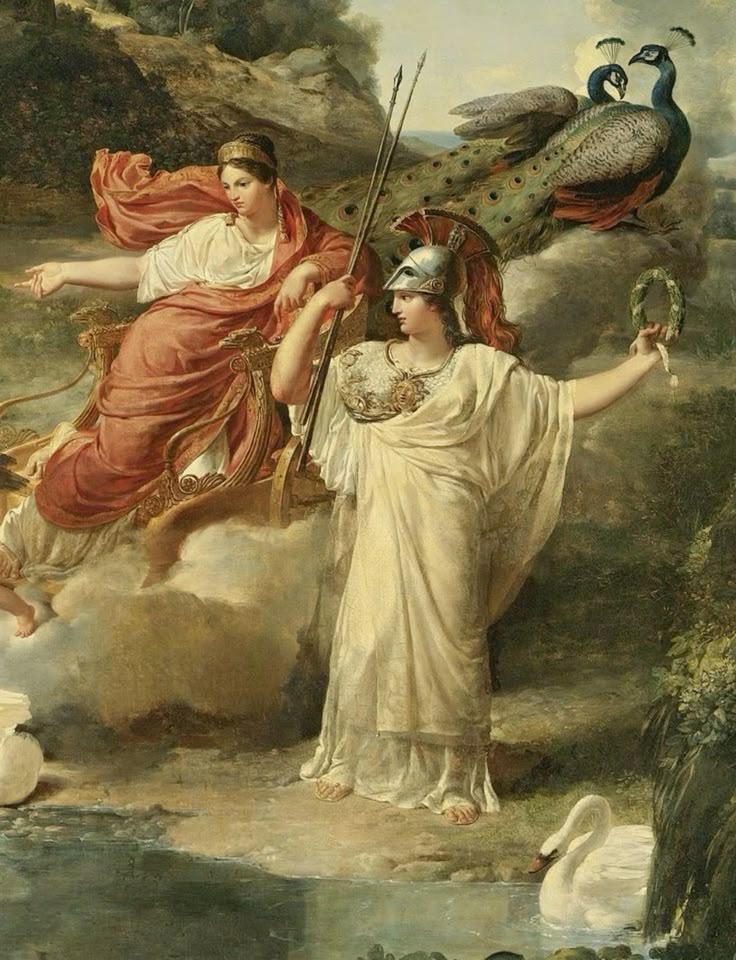
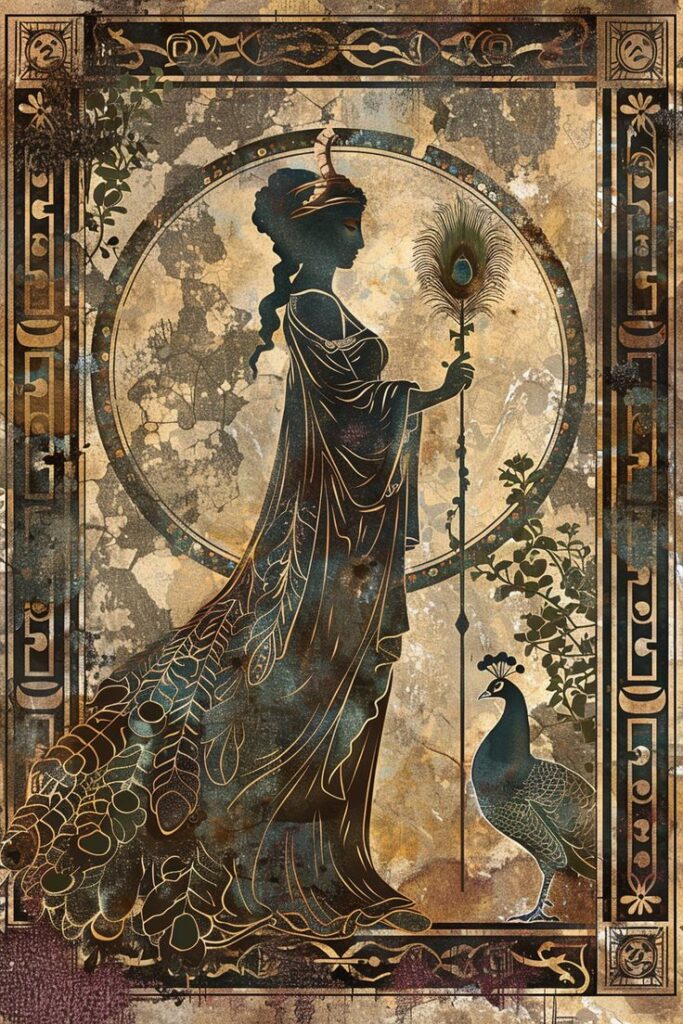
One of Hera’s most iconic symbols, the peacock, represents beauty, immortality, and her watchful nature. The shimmering “eyes” on the peacock’s feathers symbolize her all-seeing wisdom and ability to observe truth in the world.
The Cow: Symbol of Nurture and Majesty
The cow—associated with fertility, protection, and nurturing—reflects Hera’s role as the goddess of birth and motherhood.
The Diadem and Lotus Staff
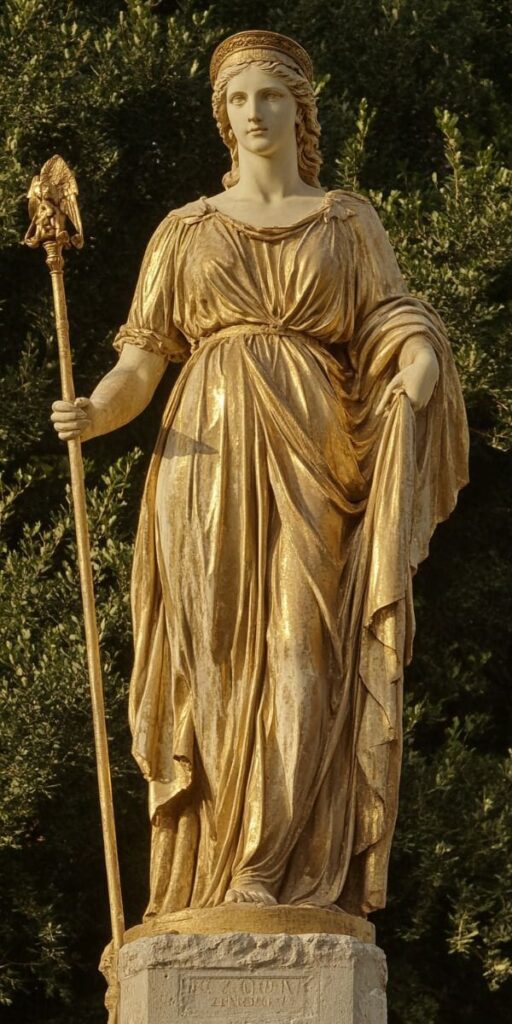
Hera is often depicted wearing a diadem (royal crown) and holding a lotus-tipped staff, signifying her sovereignty and authority as the lawful Queen of the Gods.
Hera’s Role in Greek Mythology
The Guardian of Marriage and Sacred Unions
Hera’s central role was to protect marriage, fidelity, and family honor. She was revered by women, married couples, queens, and mothers across Greece. People prayed to her for:
Marital harmony
Protection during childbirth
Blessings for fertility
Stability and respect in the household
Her festivals, such as the Heraia, celebrated her power over family and womanhood.
Hera as a Symbol of Justice
Hera was known for her fierce sense of justice and fairness. She punished betrayal, arrogance, and disrespect—whether committed by gods or mortals. Yet she also rewarded loyalty, devotion, and integrity.
The Complex Relationship Between Hera and Zeus
A Divine Marriage of Power and Turbulence
No figure shaped Hera’s mythology more than her husband, Zeus. Their marriage symbolized divine royalty but was also marked by conflict due to Zeus’s frequent affairs.
Hera’s Response to Betrayal
Hera is often portrayed expressing her rightful anger—not against women themselves, but against betrayal, deception, and broken vows. Her reactions symbolize the emotional strength of a goddess who defends loyalty with divine intensity.
A Queen with Immense Influence
Despite marital challenges, Hera remained unshaken in her authority. She influenced Olympian decisions, guided heroes, and shaped destinies with wisdom and strategy.
Hera’s Children and Divine Influence
Ares: God of War
Hera’s son Ares inherited her fire, intensity, and protective spirit.
Hephaestus: God of Fire and Craftsmanship
Hephaestus is sometimes said to have been born by Hera alone, symbolizing her self-sufficient creative power.
Hebe: Goddess of Youth
Hebe served nectar to the Olympians and represented eternal youth and vitality.
Eileithyia: Goddess of Childbirth
As patron of childbirth, Eileithyia carried forward Hera’s role as guardian of women and families.
Hera in Iconic Greek Myths
Hera and the Trojan War
Hera played a key role in the Trojan War after Paris denied her the Golden Apple. Her determination to support the Greeks showcased her strategic intelligence and unyielding resolve.
Hera and Hercules
The dynamic between Hera and Hercules (Heracles), though often portrayed as rivalry, reflects deeper themes of destiny and divine trials. Hercules’ name itself means “Glory of Hera,” symbolizing how struggle shapes heroism.
Hera as a Protector
Hera aided many heroes and queens, particularly women seeking justice. Her protective nature extended to:
Cities like Argos and Samos
Married women
Children and mothers
Kingdoms requiring fairness and balance
Temples and Worship: Hera Across Ancient Greece
The Heraion Temples
Some of the oldest temples in Greece are dedicated to Hera, including the Heraion of Samos and Heraion of Argos—massive shrines symbolizing her divine importance.
Festivals Celebrating Hera
The Heraia and other festivals honored her as the eternal guardian of marriage and dignity. Women, in particular, held elaborate ceremonies to seek her blessings.
Hera’s Legacy in Modern Culture
A Timeless Empress
Hera remains a powerful cultural symbol of:
Feminine authority
Marital sanctity
Justice and moral clarity
Strength and sovereignty
Her presence can be seen in modern literature, films, astrology, and spiritual symbolism, continuing to inspire generations.
Conclusion: The Eternal Reign of Hera
Hera is not just a mythological queen—she is a force of dignity, justice, and unwavering strength. Her stories reveal a complex, powerful goddess who demanded loyalty, defended the sanctity of marriage, protected women, and ruled Olympus with unmatched grace.
In the world of Greek mythology, Hera stands tall as a timeless emblem of divine authority, a reminder that true power lies not only in might but in the courage to uphold values that shape the world.