
The Tejas Plane Crash: A Detailed Analysis
Introduction
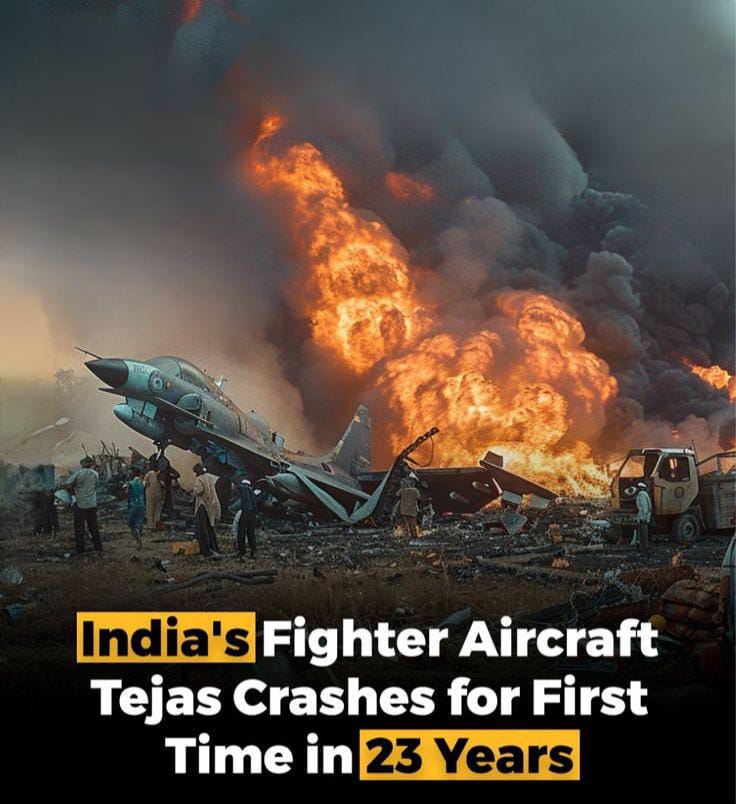
On 21 November 2025, a light combat aircraft (LCA) Tejas of the Indian Air Force (IAF) crashed during a demonstration flight at the Dubai Airshow, resulting in the tragic death of the pilot. This accident sent shockwaves through India’s defense and aviation communities, raising pointed questions about safety, aircraft reliability, and the future of the indigenous Tejas program.
What Happened: The Incident at Dubai Airshow
Timeline of the Crash
The crash occurred around 2:10 PM local time at Al Maktoum International Airport, during the final day of the airshow.
According to eyewitnesses, the aircraft lost stability while performing aerobatic maneuvers at very low altitude, and it ultimately impacted the ground, leading to a fireball.
The Indian Air Force confirmed the death of the pilot, identified as Wing Commander Namansh Syal from Kangra, Himachal Pradesh.
In its official statement, the IAF expressed deep regret, affirmed its support to the bereaved family, and declared that a court of inquiry has been constituted to investigate the accident.
Official and Political Reactions
Defence Minister Rajnath Singh expressed his condolences, calling the pilot “brave and courageous” and stating that the nation stands with his family.
The crash raised serious concern because it was the second known incident involving the Tejas jet; the first was in March 2024.
Historical Context: Previous Tejas Incident
March 2024 Crash in Jaisalmer
The earlier crash happened during a training sortie near Jaisalmer, Rajasthan, about 100 km from the Pokhran range.
The pilot ejects safely, and there were no casualties.
A court of inquiry was set up immediately to find the cause of this first-ever Tejas crash.
Possible Cause: Engine Seizure
Investigations pointed to an engine seizure as a likely cause, possibly due to an oil pump malfunction.
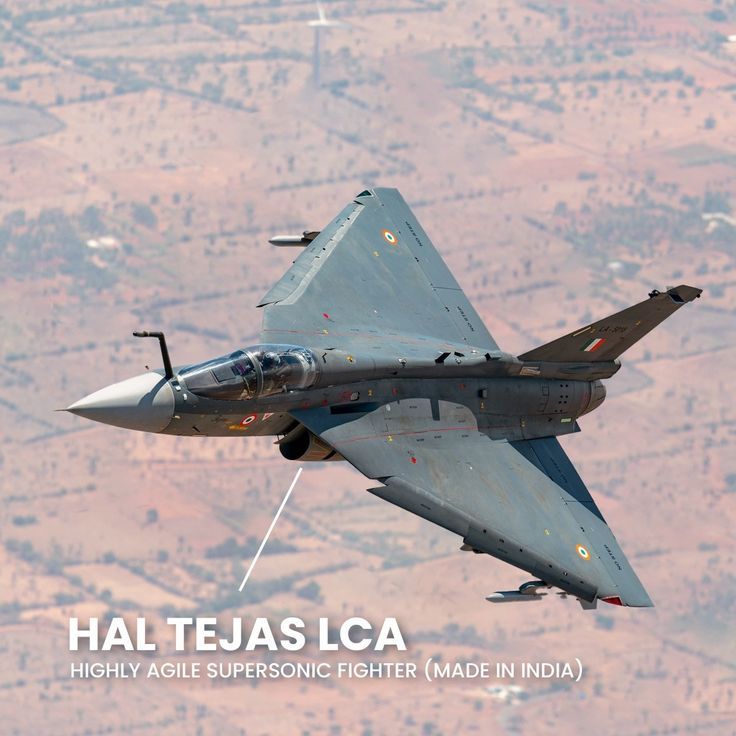
The aircraft in question was part of the early Mk-1 fleet of Tejas jets.
Investigating the 2025 Crash: Possible Causes & Theories
Negative-G Turn Hypothesis
Some experts suggest that the aircraft was performing a negative-G maneuver or roll when the disaster struck, and at such low altitude, the jet may not have had enough room to recover.
Negative-G maneuvers impose unusual stresses on both the pilot and the aircraft, increasing risk if conditions are not ideal.
Misinformation and Propaganda
Just a day before the crash, claims were circulating on social media that Tejas jets at the Dubai Airshow had an oil leakage.
The Press Information Bureau (PIB) clarified that the fluid seen in videos was not oil but condensed water being drained, a routine procedure in humid environments, especially for systems like the Environmental Control System (ECS) and On-Board Oxygen Generating System (OBOGS).
The timing of the crash, right after these rumors, led to raised eyebrows, and some speculated about possible sabotage, though no evidence has been officially presented yet.
Inquiry and Investigation
A court of inquiry has been initiated by the IAF to determine exactly what went wrong.
This formal investigation will likely examine flight data, voice recordings, maintenance logs, pilot history, and other technical parameters.
Implications of the Crash
Impact on Tejas Program & Indigenous Aviation
The crash is a major setback for the Tejas program, which is a symbol of India’s ambition for self-reliant defence manufacturing.
Tejas is a key part of the IAF’s future fleet plans, including advanced variants like the LCA Mk-1A.
Questions will now be raised about hardware reliability, safety protocols, and risk management — especially in demonstration environments.
International Perception & Export Prospects
The accident occurred in an international setting—at a high-profile airshow—potentially affecting the global credibility of the Tejas as an export product.
Defense partners and potential buyers will be watching the inquiry’s outcome closely, as they evaluate whether the aircraft is safe and dependable.
Morale & Human Cost
The loss of Wing Commander Syal is deeply felt within the IAF and the country. His death underscores the inherent risks that military aviators face, even in controlled demonstration flights.
Beyond the technical and strategic consequences, there is a personal tragedy for the family and loved ones of the pilot, and for the broader IAF fraternity.
Lessons Learned & the Way Forward
Strengthening Safety Mechanisms
The inquiry’s findings could lead to revised safety protocols, especially for aerobatic manoeuvres during airshows.
There may also be a renewed focus on maintenance discipline, especially for critical systems like the engine, given the previous crash linked to engine issues.
Communication & Crisis Management
The incident underlines the importance of clear, timely communication—both within the defense establishment and to the public—to manage rumors and misinformation.
Agencies like the PIB play a crucial role in dispelling false narratives, such as the oil-leak propaganda, which may otherwise damage trust.
Continuing Indigenous Development
Despite the tragedy, the Tejas program remains strategically vital. India may accelerate enhancements in its design, including more robust airframe, better recovery systems, and perhaps more advanced avionics.
The IAF and HAL (Hindustan Aeronautics Limited) may use the inquiry’s lessons to improve quality assurance, pilot training, and risk assessment.
Conclusion
The 2025 Tejas crash at the Dubai Airshow is a deeply sobering reminder of the inherent risks of military aviation, especially when showcasing advanced indigenous platforms. While the exact cause remains under investigation, the incident carries multiple implications: for the Tejas program, for India’s defense manufacturing ambitions, for international trust in its exported platforms, and most importantly, for the families of those who serve.
As India awaits the results of the court of inquiry, the broader focus must be on learning, accountability, and making the skies safer—not just for demonstration flights, but for every mission the Tejas undertakes.





Join the discussion 2 Comments