A Shocking Incident That Exposes Deep-Rooted Caste Violence
In one of the most disturbing honour-crime incidents reported this year, a young woman in India married the dead body of her boyfriend after he was allegedly killed by his own family due to caste differences. The emotional ceremony, carried out near the cremation ground under police supervision, has sparked widespread outrage, social debate, and renewed calls for stronger protection against caste-based violence.
The chilling case—coming from a semi-urban district where inter-caste relationships remain socially forbidden—highlights the persistent clash between tradition and personal freedom. Social activists say the event reflects the darker reality of honour killings still haunting modern India.
The Love Story That Turned Into a Caste Tragedy
A Relationship Their Families Refused to Accept
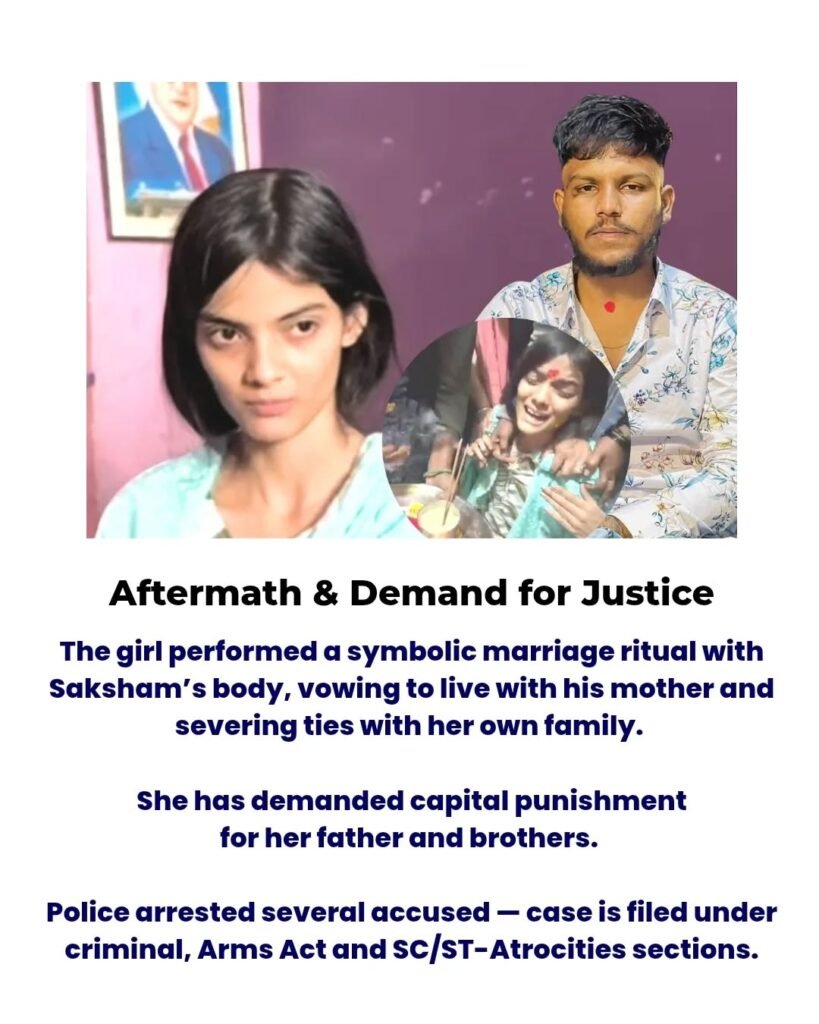
According to local reports, the couple had been together for nearly four years, meeting during their college days. Friends describe their relationship as deeply committed, with both planning to marry once they secured stable jobs.
However, their families belonged to different caste communities, and the boyfriend’s family reportedly opposed the union from the beginning. Despite warnings, threats, and pressure, the couple continued to stay in touch secretly.
Repeated Threats and Social Pressure
Witnesses from the neighbourhood revealed that the boy’s family had repeatedly:
Warned him to end the relationship
Threatened to socially ostracise him
Pressured him to accept an arranged marriage
The tension escalated weeks before the incident, with the girl’s family also pleading for police help when they sensed danger.
The Alleged Murder: A Case of Brutal Honour Killing
A Suspicious Death That Sparked Outrage
The young man was found dead under mysterious circumstances, with the family claiming it was a natural death. However, early medical observations and neighbours’ statements reportedly pointed to signs of physical assault.
Police later confirmed that the boy may have been beaten to death, and a case of murder linked to honour killing was registered. Several family members were taken into custody for questioning.
Community Divided as Protests Grow
Local activist groups staged protests, demanding immediate arrest and strict punishment. Many claimed this was not an isolated incident but part of a growing pattern of caste-linked violence.
https://www.hrw.org/topic/womens-rights/honor-killings
The Emotional Scene: Girl Marries His Dead Body
A Final Act of Love and Protest
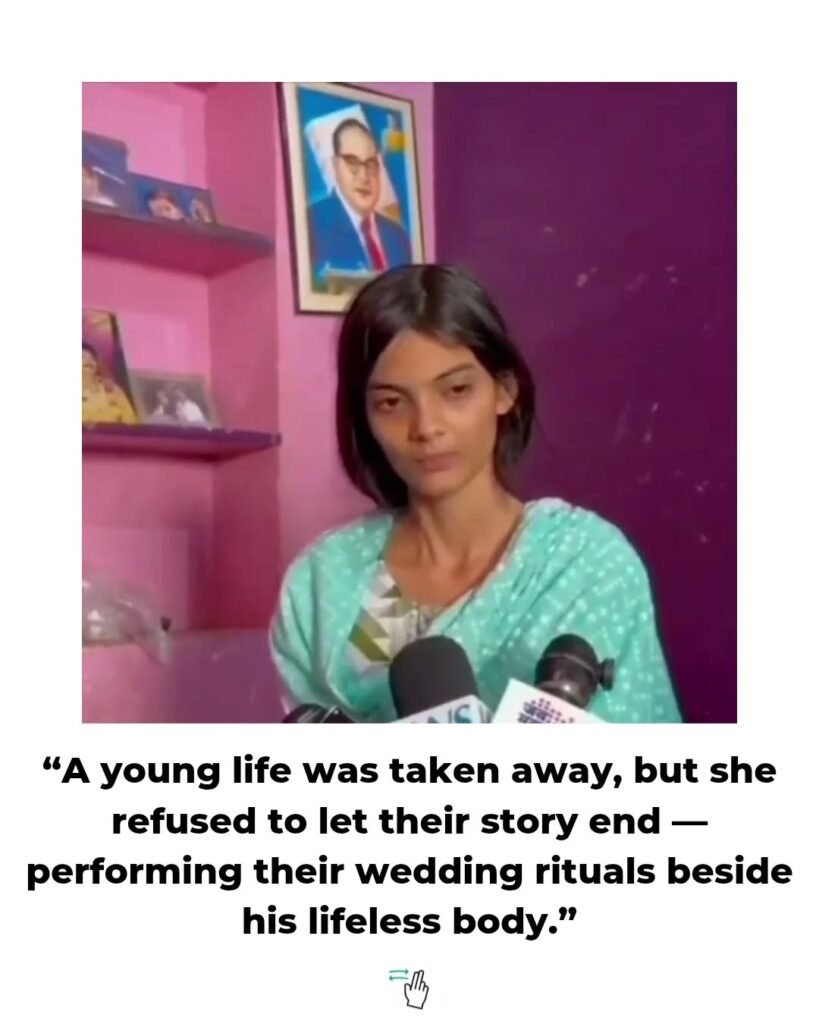
In a heart-wrenching scene captured by local news crews, the girl arrived at the cremation site escorted by police and women’s rights activists. Overcome with grief, she placed a garland on her boyfriend’s body and performed symbolic wedding rituals.
Witnesses said she declared:
“If society could not let us marry in life, I will marry him in death.”
Her act became a powerful symbol of:
Defiance against caste-based discrimination
A tribute to their relationship
A protest against honour killings
Police Allowed the Ceremony After Emotional Pleas
Police officers present at the site stated that although the act does not fall under legal marriage, they allowed the symbolic ritual because
The girl insisted repeatedly
It did not interfere with the investigation
It was her personal way of honouring the deceased
The emotional images spread rapidly across social media, triggering widespread sympathy and national shock.
https://salmon-hawk-329520.hostingersite.com/latest-disney-updates
Reactions Across India: Anger, Grief, and Demands for Justice
Political Leaders Condemn the Incident
Several leaders and social organisations condemned the alleged murder, calling for:
Stronger laws to prevent honour killings
Fast-track court trials
Protection for inter-caste couples
Human rights activists pointed out that hundreds of such cases occur every year but remain underreported due to fear, family pressure, and social stigma.
Social Media Erupts With Support for the Girl
The girl’s act of marrying her dead partner became a national discussion point. Thousands of users posted messages supporting her bravery and calling for justice.
Trending hashtags included:
JusticeForInterCasteCouples
EndHonourKillings
CasteViolenceMustStop
Many argued that love should never be punished, and no family should have the right to decide a couple’s fate based on caste.
Caste and Honour Killings: A Problem India Still Struggles With
Why Caste Still Controls Personal Lives
Despite rapid urbanisation and modern education, caste continues to influence marriages in many parts of India. Inter-caste relationships are often viewed as a threat to family honour, leading to:
Social boycotts
Violence and harassment
Forced separation
And in extreme cases—murder
Reports indicate that most honour killings involve couples trying to break caste or community boundaries.
Experts Call for Urgent Policy Changes
Sociologists and legal experts suggest:
Better enforcement of anti-atrocity laws
Anonymous helplines for inter-caste couples
Safe houses for threatened partners
Counselling and awareness programmes
They argue that unless society evolves, legal action alone cannot stop honour crimes.
Moving Forward: Will This Incident Bring Change?
A Symbol That May Influence Social Debate
The girl’s decision to marry her boyfriend’s body has become more than an emotional moment—it has become a symbol of resistance. Many believe the incident could spark stronger national debate about:
The right to choose a partner
The need for stronger protection mechanisms
The dangers of caste supremacy
Investigation Continues as Nation Watches
Police investigations are still underway, and charges may include:
Murder
Criminal conspiracy
Caste-based violence under relevant laws
Activists hope that this case will not fade away like many others and that justice will finally be served.
Conclusion: A Love Story Silenced by Caste but Remembered in Defiance
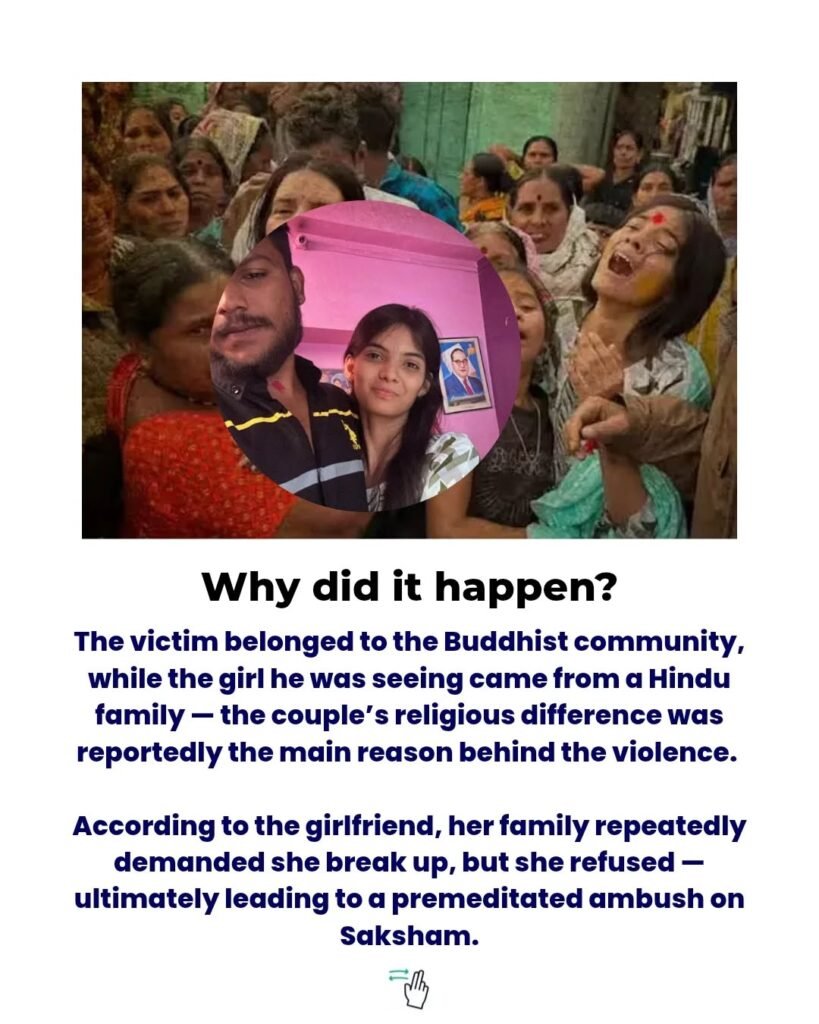
This heartbreaking incident from India shows how deeply caste still affects personal choices and relationships. A young girl marrying her boyfriend’s dead body is not just a tragic gesture—it is a cry against injustice and a reminder of the urgent need to eradicate honour killings.
Until society accepts that love rises above caste, such tragedies may continue. But this case may become a turning point, pushing for stronger laws, better protection, and greater social awareness. The girl’s courageous act stands as a powerful reminder that love deserves freedom—not fear.