The Flight That Changed Human History Forever
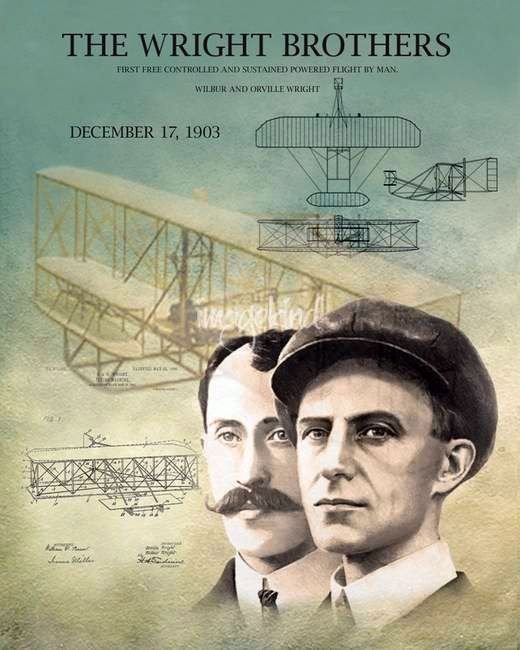
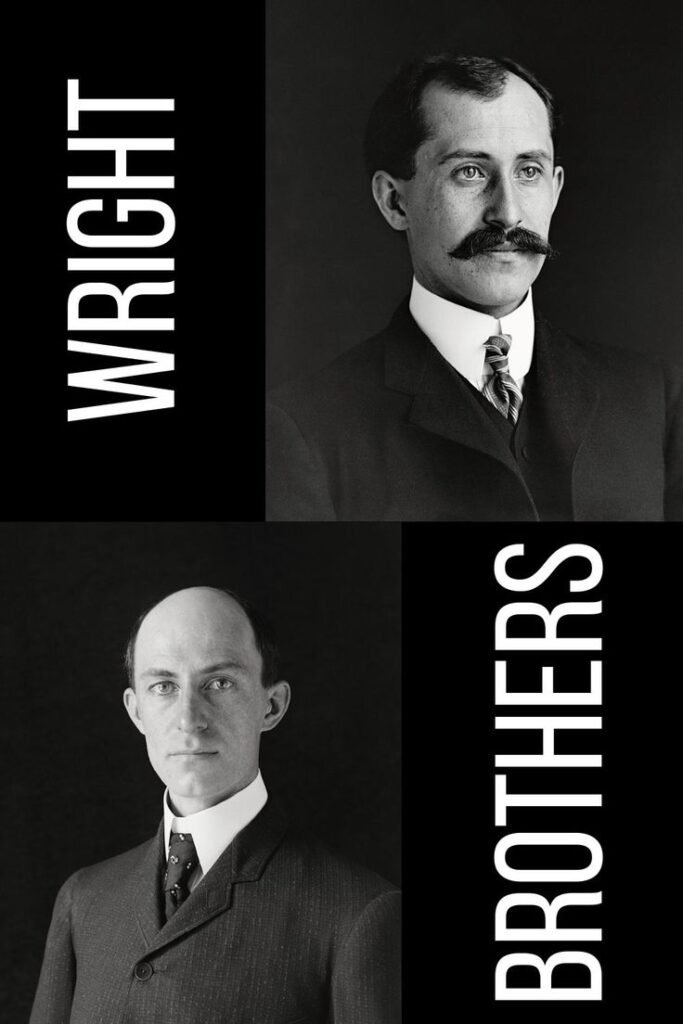
The story of the Wright Brothers—Orville and Wilbur Wright—is one of the most remarkable chapters in human innovation. At a time when flying was believed to be impossible and even foolish, these two self-taught engineers, bicycle mechanics, and thinkers dared to challenge the sky.
Their breakthrough on December 17, 1903, in Kitty Hawk, North Carolina, not only marked the first successful powered flight—it changed the destiny of human civilization. Their courage pushed humanity from the age of land and sea into the age of air.
Early Life: Two Brothers With Extraordinary Curiosity
How a Childhood Toy Sparked a Lifelong Obsession
The Wright brothers were born into a family that encouraged creativity, reading, and hands-on experimentation. Their father gifted them a small flying toy helicopter, powered by rubber bands—a simple device but one that ignited their fascination.
The Bicycle Shop That Became a Research Lab
In later years, Wilbur and Orville opened The Wright Cycle Company, a bicycle repair and manufacturing shop in Dayton, Ohio. This shop became more than a business—it became their engineering workshop, testing ground, and innovation headquarters.
Here, they learned:
mechanical stability
balancing systems
aerodynamics through observation
precision craftsmanship
problem-solving through trial and error
These very skills later became the backbone of their aircraft engineering
.https://salmon-hawk-329520.hostingersite.com/imran-khan-death-news-suspense/
The Quest for the Sky: Studying Birds, Science, and Failure
Why the Wright Brothers Were Different From Other Inventors
Many inventors before them tried to create flying machines, but most focused only on engines. The Wright brothers realized something crucial:
Before you add power, you need to first control the aircraft.
This groundbreaking insight separated them from others.
Their Genius: Wing-Warpage and Control Systems
They observed how birds tilt their wings to change direction and maintain balance. Inspired by nature, they invented:
wing-warping
movable rudders
three-axis control (pitch, roll, yaw)
This three-axis control system is still the foundation of modern aviation.
Their focus on stability and control turned flying from a fantasy into a science.
Kitty Hawk: The Windy Land of Dreams
Why They Chose a Remote Beach for Their Experiments
The Wright brothers needed:
steady winds
soft sand for safe landings
wide open space
Kitty Hawk provided all three.
In 1902, they achieved glider flights that were longer, controlled, and promising. These tests gave them confidence to build a powered machine.
Building the First Powered Aircraft
Their aircraft, the Wright Flyer, was:
made of wood, muslin cloth, and wire
powered by a custom engine built by their mechanic, Charlie Taylor
equipped with propellers they designed from scratch
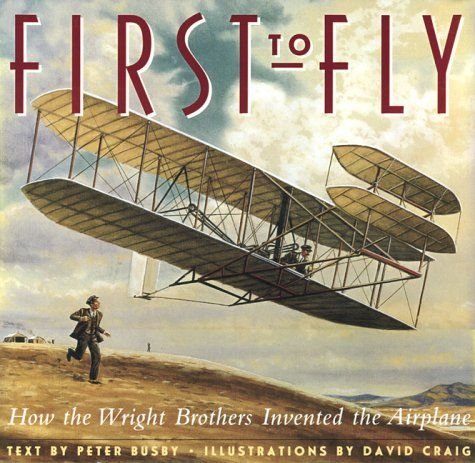
This machine became the world’s first successful airplane.
The First Flight: 12 Seconds That Made History
December 17, 1903 — The Day Humanity Rose from the Ground
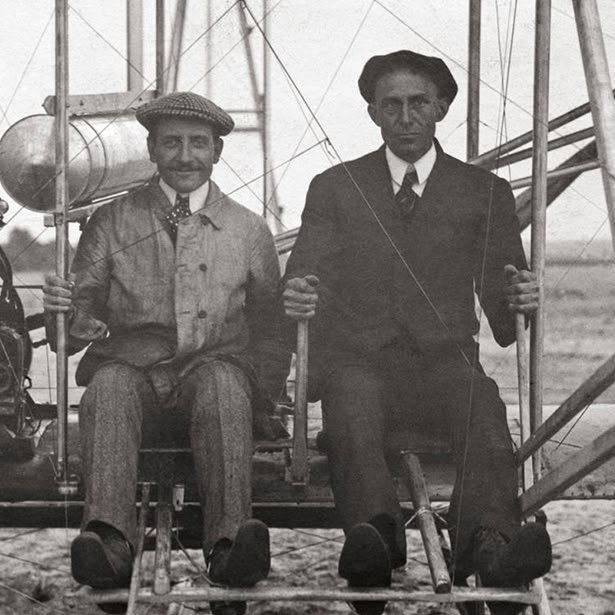
At 10:35 AM, Orville Wright flew the Wright Flyer for:
12 seconds
120 feet
It was short—but it was enough to rewrite history.
The brothers made three more flights that day, with Wilbur’s final flight covering 852 feet in 59 seconds.
The World Didn’t Believe Them at First
Newspapers initially ignored or doubted their achievement. The idea of humans flying seemed too outrageous. But the Wright brothers continued refining their aircraft until the truth became undeniable.
The Evolution of Aviation: From Gliders to Modern Aircraft
How the Wright Brothers Turned Flight Into a Repeatable Science
After 1903, the brothers didn’t stop. They improved:
aerodynamics
engines
safety
maneuverability
endurance
By 1905, the Wright Flyer III could fly for 39 minutes, perform circles, and respond like a true aircraft.
Demonstrations That Shocked the World
In 1908–1909, they performed public demonstrations in:
the United States
France
Germany
Italy
The world watched in awe as they circled fields, flew above crowds, and executed controlled turns—proving that flying was not luck, but engineering.
The Wright Brothers as Businessmen and Defenders of Innovation
Battling Copycats and Protecting Their Invention
As aviation grew in popularity, many tried to copy their designs. The Wright brothers had to fight in court to protect their patents. Though criticized for being “too protective,” they understood the value of their invention.
Aviation Organizations and Legacy
They formed:
The Wright Company
aviation schools for pilots
research centers
Their work laid the foundation for:
commercial airlines
military aviation
space exploration
modern aeronautics engineering
Tragedy and Triumph: The Brothers’ Final Years
A Partnership Unbroken by Time
Wilbur Wright died in 1912 at the age of 45 from typhoid fever. His death was a devastating blow to Orville, who said he felt as though he had “lost half of himself.”
Orville continued aviation research, innovation, and public service until his own death in 1948.
A Legacy Written in the Sky
Today, their contributions live on in:
every airport
every airliner
every fighter jet
every spacecraft
They proved that dreamers can turn the impossible into reality.
Conclusion: The Wright Brothers Taught the World to Fly—and to Believe
The story of Orville and Wilbur Wright is more than the story of flight. It is a blueprint for human perseverance, curiosity, and imagination.
They didn’t wait for opportunities—they created them.
They didn’t fear failure—they learned from it.
They didn’t accept limits—they broke them.
The Wright brothers lifted humanity into the sky and forever changed the way the world moves, dreams, and explores.