Introduction: When a Film Becomes a Firestorm
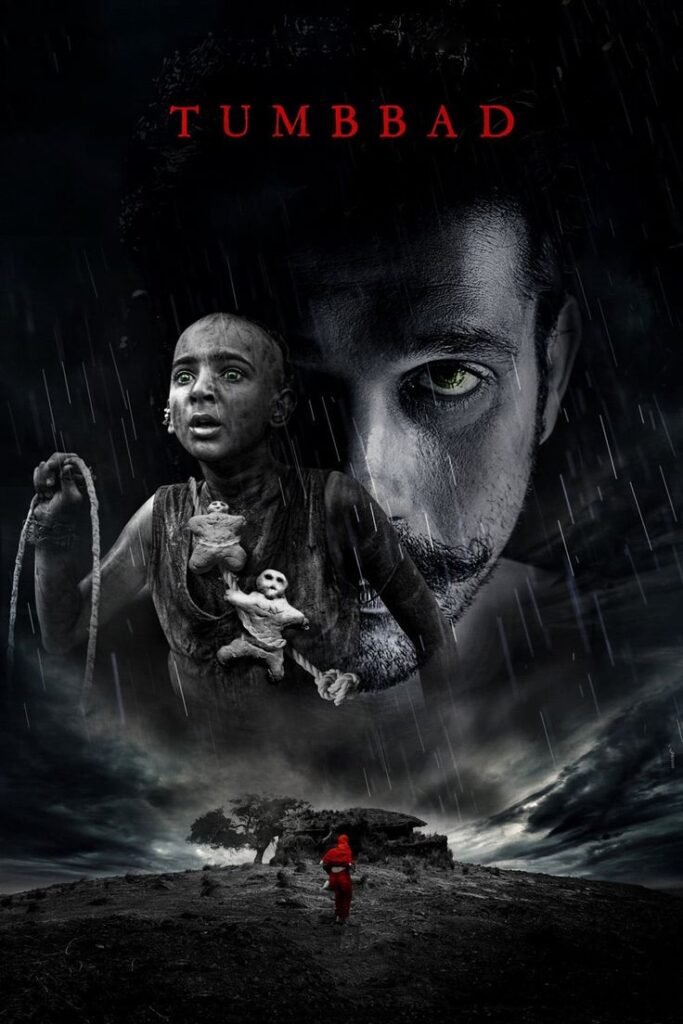
Cinema has always been India’s favourite battleground—where creativity meets conflict, where imagination shakes institutions, and where a story can ignite nationwide debates overnight. “Tumbar,” a dark fantasy-horror film shrouded in mystery, recently slid into the spotlight not because of box-office numbers but because of intense online speculation that the film was “banned” or “blocked” in India.
While no official government order confirms an actual ban, the whispers, warnings, and raging digital controversies created a storm that deserves a closer, more dramatic exploration.
Why did a movie with mythological undertones attract such heat?
Why did it trigger discussions about “cultural corruption,” “psychological influence,” and “hidden symbolism”?
This article unpacks all of it.
The Controversy Begins: Rumors of a Ban
A Film Too Bold for Comfort?
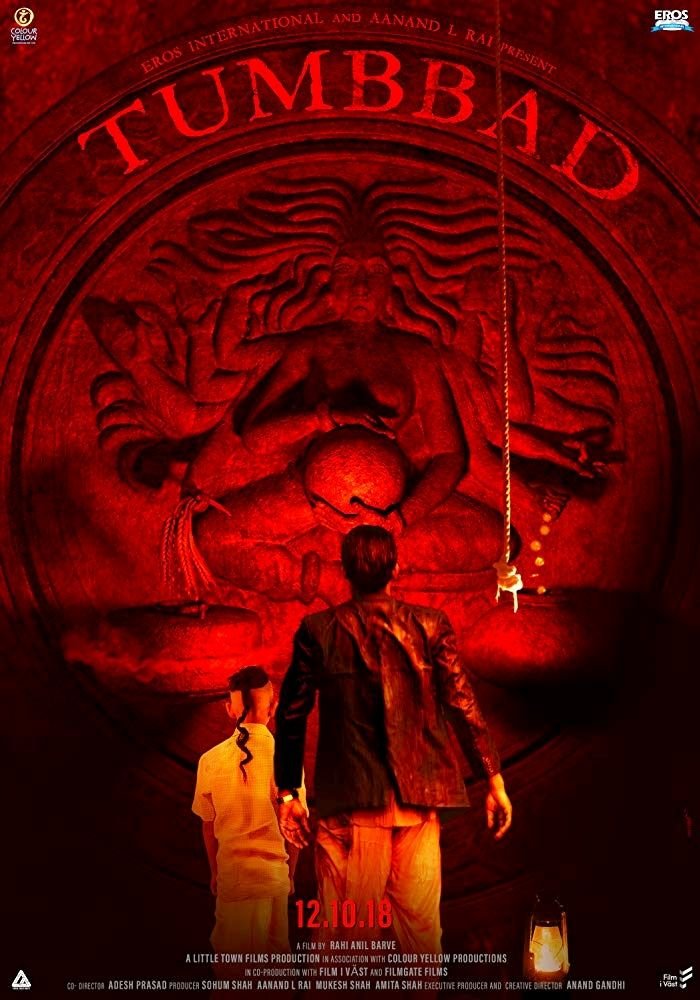
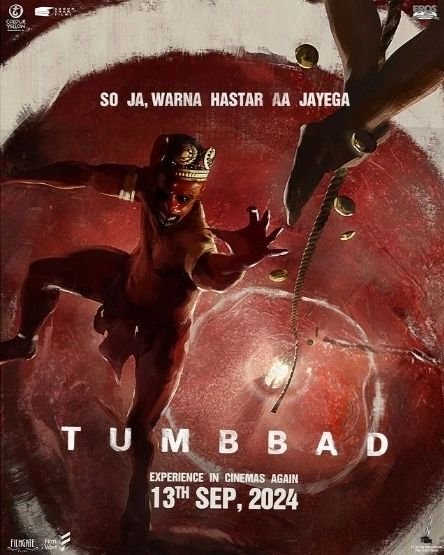
“Tumbаr” became an online sensation even before its wide release. The film’s trailer showcased grotesque imagery, folk-horror aesthetics, and psychological symbolism that many viewers interpreted as “too intense,” “too anti-tradition,” or “too politically charged.”
Rumors of a ban began circulating on social media platforms—tweets, reels, and viral posts all claimed that the movie was “taken down,” “restricted,” or “pulled back” for being “dangerously provocative.”
Was It Actually Banned?
No official press note proved an outright ban. Yet the lack of clarity, paired with the film vanishing temporarily from festival lineups, created the perfect breeding ground for conspiracy theories.
People demanded answers. Platforms stayed silent. And silence is the oxygen of controversy
https://salmon-hawk-329520.hostingersite.com/poseidon-god-mythology-explained
Censorship Panic: The Clash of Art and Authority
When Storytelling Challenges Power Structures
One of the biggest reasons audiences believed the film faced censorship was its bold narrative style. “Tumbar” reportedly dove deep into themes like:
Man’s greed
The exploitation of marginalized communities
The corruption of spiritual belief systems
The failure of authority figures
Such themes easily trigger public discomfort—because they blur the line between myth and criticism, metaphor and reality
.https://www.filmcompanion.in/features/film-analysis
Folk Horror and the Fear of Misinterpretation
Folk horror in India has always been a sensitive zone. The genre often touches upon:
Rituals
Ancient folklore
Rural belief systems
Generational trauma
Many groups argued that “Tumbar” could be misunderstood by wider audiences and spark unnecessary social tension. Others felt those arguments were simply excuses to restrict creative expression.
Cultural Sensitivities and the Outrage Machine
A Mirror Some People Don’t Want to Look Into
Controversial films succeed because they force society to confront uncomfortable truths. “Tumbar” became a lightning rod for discussions about:
Superstition vs. modernity
The exploitation of fear for control
The invisible power structures in rural India
Some cultural organizations claimed the film “twisted tradition for shock value,” while supporters argued that it simply held up a mirror to long-ignored, deep-rooted issues.
The Digital Age Makes Every Emotion Explosive
In earlier decades, a controversial film caused mild protests.
But today?
One clip, one screenshot, one out-of-context theory—and the internet becomes a battlefield.
“Tumbar” witnessed the same. The online outrage machine magnified every rumor, converting creative fiction into perceived cultural threat.
Political Interpretations: A Storm Nobody Asked For
When a Film Gets Dragged Into Political Narratives
Even though the filmmakers insisted that “Tumbar” had no political agenda, critics on social media framed it as:
“A commentary on rural governance”
“A metaphor for exploitation by authorities”
“A symbolic attack on traditional power models”
Whether true or not, online political commentators weaponized the film’s themes. And once politics enters the discussion, censorship rumors grow wings.
A Film Used as a Political Pawn
The most controversial narrative suggested that the film was “suppressed” because it exposed uncomfortable truths about:
Hierarchical systems
Blind faith
Manipulation of fear
None of these claims were verified, but they fueled the idea that powerful institutions wanted the movie gone.
Psychological Impact Debate: Too Disturbing for Mainstream Audiences?
The Horror That Hits Too Close
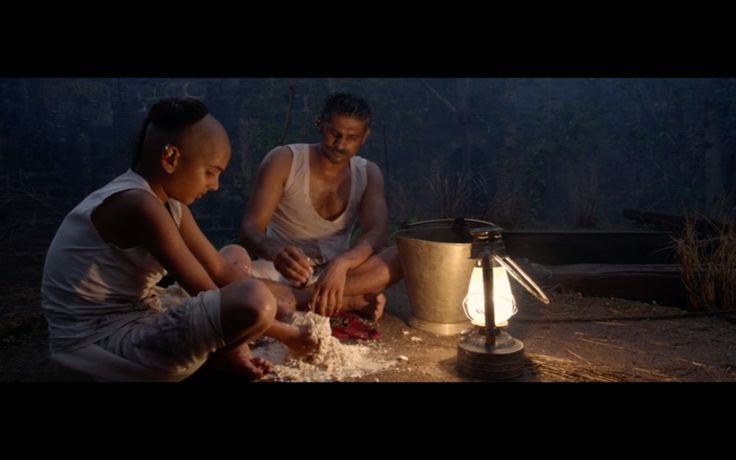
“Tumbаr” blended fantasy horror with a harsh psychological undertone.
Unlike jump-scare horror, this film reportedly dealt with:
Slow-burn fear
Disturbing imagery
Human vulnerability
Moral decay
Such elements led certain groups to argue that the film could psychologically “disturb young audiences.”
Should Art Avoid Disturbing Truths?
Critics argued that the film intentionally blurred reality and fiction in a way that could “mislead viewers.”
Supporters countered that art is supposed to disturb, question, and provoke.
This debate only intensified the controversy.
The Mysterious Distribution Pullback
Why Did the Movie Temporarily Disappear?
Another element that intensified the “ban” theory was the film’s unexpected disappearance from a few regional listings and film festival catalogs.
While it may have been due to:
licensing issues,
distribution conflicts,
last-minute edits,
…audiences assumed the government “pulled it back.”
The vacuum of information allowed speculation to explode.
Controversy Sells — and “Tumbar” Became a Hot Topic Overnight
The digital audience thrives on mystery and conflict.
The moment “Tumbar” became “the movie someone doesn’t want you to watch,” it transformed into a pop-culture symbol of resistance and forbidden art.
Conclusion: The Fear of Stories That Feel Too Real
Whether banned or not, “Tumbar” reveals something bigger about Indian society:
Stories that challenge comfort zones are always at risk of censorship, rumor, and controversy.
In truth, the noise around the film is not about a ban at all—it is about our collective fear of confronting unsettling narratives.
The controversy surrounding “Tumbar” proves that art still has the power to provoke, disturb, and ignite national conversation.
And maybe, that is why the rumors never die—
because the story hits a nerve.