
The FIFA World Cup 2026 was supposed to be the grandest spectacle in the history of football — a multi-nation celebration across the United States, Mexico, and Canada. But instead of just sparking excitement, it quickly became a magnet for controversies, emotional breakdowns, and global debates about fairness, money, and the soul of football itself.
As fans counted the days to kickoff, the world was already questioning whether the 2026 edition would unite nations… or expose the cracks in FIFA’s ever-glittering empire.
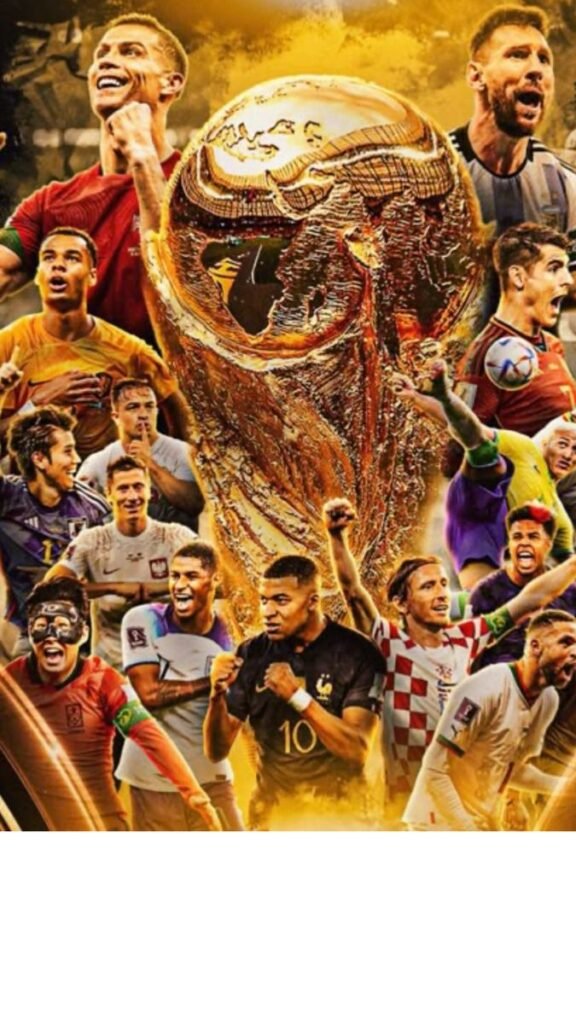
A World Cup Bigger Than Ever — But Not Everyone Is Cheering
48 Teams, But 48 Times the Chaos
The expansion to 48 teams was advertised as “football for everyone,” yet critics around the world described it as the “monetization of dreams.” Many argued that increasing the team count diluted the competitive essence that made previous tournaments intense and unforgettable.
Was this the evolution football needed, or a corporate experiment that risked ruining the game’s purity?
Emotional fans voiced their fears:
“Small nations will be crushed.”
“The group format will be confusing.”
“Money is replacing merit.”
The World Cup, once a simple tournament of passion, was now a sprawling mega-event that some believed had outgrown its soul.
https://www.fifa.com/tournaments/mens/worldcup/2026
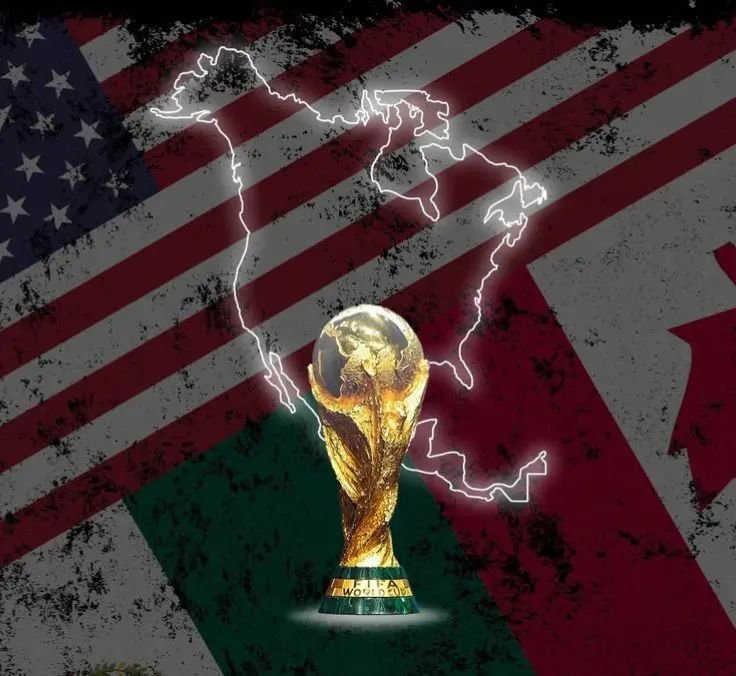
The Three-Nation Hosting Plan: Celebration or Political Showpiece?
The Logistics Nightmare
Hosting a World Cup across three huge countries created sparks of anxiety across federations, fans, and players. Travel times between host cities were long, time zones were chaotic, and team management logistics seemed almost impossible.
Fans worried that the spirit of unity would be lost in the vast geography. Players feared exhaustion. Pundits wondered if FIFA’s ambition had finally gone too far.
Emotional Toll on Supporters
For many supporters, attending multiple matches became financially and emotionally draining.
“It feels like the World Cup is only for the rich now,” some fans lamented online.
The dream of seeing several matches live was replaced with the fear of missing out due to flight costs, border issues, or long-distance travel.
The Controversy of Stadium Politics
The U.S. Venues and the Unspoken Tensions
Every World Cup brings stadium issues, but in 2026, the debates were louder than ever. Critics questioned whether massive NFL stadiums — some temporary, some modified — were truly built for football culture.
Fans complained that the decisions felt “political rather than passionate,” suggesting that commercial partnerships shaped venue choices more than fan experience.
Mexico and Canada: Pride, Pressure, and Emotional Weight
Mexico carried the emotional legacy of hosting its third World Cup, but many locals worried that beloved stadiums were being overshadowed by U.S. venues. Canada, meanwhile, faced pressure to prove itself worthy as a host nation for the first time.
The emotional vulnerability of local fans was clear:
Mexicans feared being “reduced to a supporting act.”
Canadians felt anxious about “living up to the global stage.”
Qualification Drama: Heartbreak, Suspense, and Global Tears
Underdog Dreams and Giant Collapses
The expanded format brought incredible qualification stories — some inspiring, some heartbreaking.
Traditional football countries that once qualified easily suddenly stumbled, leading to devastating emotional fallout in their home nations.
Commentators described qualification 2026 as “the most unpredictable and emotionally exhausting in decades.”
Refereeing Complaints and VAR Wars
Qualification saw a record number of VAR-related controversies.
Fans accused the system of:
Destroying the natural flow of football
Creating emotional chaos with delayed decisions
Tilting the balance in favor of “big teams”
The conversations turned dark on social media, with fans expressing vulnerability, rage, and helplessness.
The Money Question: Is Football Losing Its Heart?
Ticket Pricing Controversies
Ticket prices for 2026 triggered global outrage. Many supporters felt betrayed by a sport they adored since childhood.
Comments flooded platforms:
“Football was ours. Now it belongs to billionaires.”
The emotional weight was real — families who dreamed of attending the World Cup together realized they could only afford one match, or none at all.
Sponsorship Drama and Ethical Debates
Every major sponsor came under scrutiny. Critics called out FIFA’s partnerships with companies that had questionable environmental or social records.
The emotional narrative shifted from joy to disillusionment.
A tournament meant to unite the world was now seen by many as a business empire wearing a football jersey.
Player Concerns: Burnout, Pressure, and Fragile Minds
A Grueling Football Calendar
Players openly spoke about exhaustion — emotional and physical.
Between club competitions, continental tournaments, and the expanded World Cup, many stars warned that footballers were approaching their breaking point.
Mental-health advocates raised alarms.
“The 2026 cycle demands more than the human body can handle,” some specialists warned.
Identity Pressure and National Expectations
For young players participating in a World Cup hosted across three nations, the pressure was overwhelming.
In interviews, several stars mentioned feeling responsible for the emotional well-being of entire nations.
The World Cup was no longer just a tournament — it was an emotional battlefield.
https://salmon-hawk-329520.hostingersite.com/latest-disney-updates
The Fans: The Real Victims of FIFA’s Ambition?
The Emotional Divide
The 2026 World Cup sharply divided the football community:
Traditionalists who feared change
Optimists who embraced expansion
Realists who felt football was evolving whether they liked it or not
But beneath the arguments lay a shared emotional vulnerability — a fear that the world’s greatest sporting event might be drifting away from its roots.
Social Media Explosions
Every announcement about the tournament triggered online storms:
Format debates
Referee controversies
Fairness of travel
Stadium approvals
Fans were not just arguing; they were emotionally exhausted. Football discussions became therapeutic spaces where supporters confessed their fears about the sport’s future.
Will FIFA World Cup 2026 Save Football or Break It?
A Tournament That Reflects Our Time
The controversies, emotional breakdowns, and global anxieties surrounding the 2026 World Cup tell a larger story — about a world divided, passionate, and overwhelmed.
The tournament promised unity but exposed fractures. It promised evolution but sparked fear. It promised celebration but delivered tension even before kickoff.

Conclusion: 2026 — The World Cup We Needed, but Not the One We Expected
The FIFA World Cup 2026 stands as a dramatic symbol of modern football — bold, massive, controversial, emotionally heavy, and impossible to ignore.
Whether it will ultimately be remembered as a triumph or a cautionary tale depends on how the world navigates its complexities. But one thing is clear:
Football is no longer just a game. It is a global emotional epic — and the 2026 World Cup is its most dramatic chapter yet.