The Thailand–Cambodia border has once again erupted into a storm of violence, forcing thousands of terrified civilians to flee their homes in search of safety. What began as localized skirmishes has spiraled into a full-scale political flashpoint, raising questions about military intentions, disputed borders, and the failure of diplomatic channels. As both governments exchange accusations, the human toll continues to climb — turning the borderlands into a battleground of bullets, politics, and controversial narratives.
The Sudden Eruption of Violence
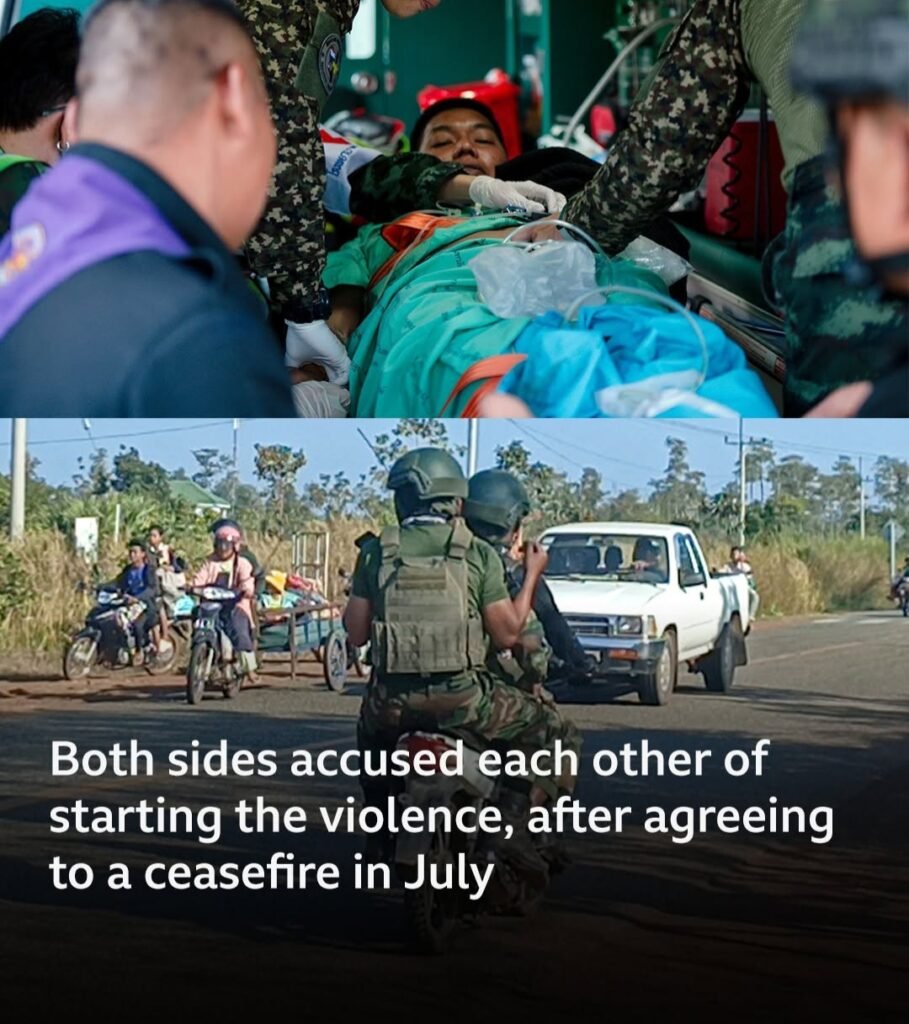
Deadly clashes broke out after a series of confrontations between Thai and Cambodian military forces, each side accusing the other of firing the first shot. Villages along the frontier were shaken by artillery blasts, leaving families scrambling to escape under the cover of smoke and chaos.
Panic on the Ground
Witnesses described scenes of total panic as explosions rattled rural communities. Children were pulled from schools, elderly villagers were carried on makeshift stretchers, and long lines of motorcycles, tractors, and tuk-tuks choked the narrow border roads.
Many fled with only the clothes they were wearing. Others abandoned entire livelihoods — farms, animals, and decades-old homes — not knowing if they would ever return.
https://salmon-hawk-329520.hostingersite.com/latest-disney-updates
Airstrikes and Escalation
What shocked the region most was the sudden use of air power. Reports from locals indicate that airstrikes struck areas dangerously close to civilian settlements. This escalated the conflict from a border dispute to a regional alarm, stoking fears of a deeper confrontation.
Both governments issued statements claiming “self-defence,” triggering a political blame game that overshadowed urgent humanitarian needs
.http://Thailand airstrikes on Cambodia after border violence — live report / analysis” — Reuters
Why Tensions Reignited: Political and Military Fault Lines
The Thailand–Cambodia border dispute is decades old, with roots tangled in colonial history. But this latest flare-up did not happen in a vacuum. Political analysts suggest that internal pressures within both governments may have contributed to the rapid escalation.
Unresolved Territorial Disputes
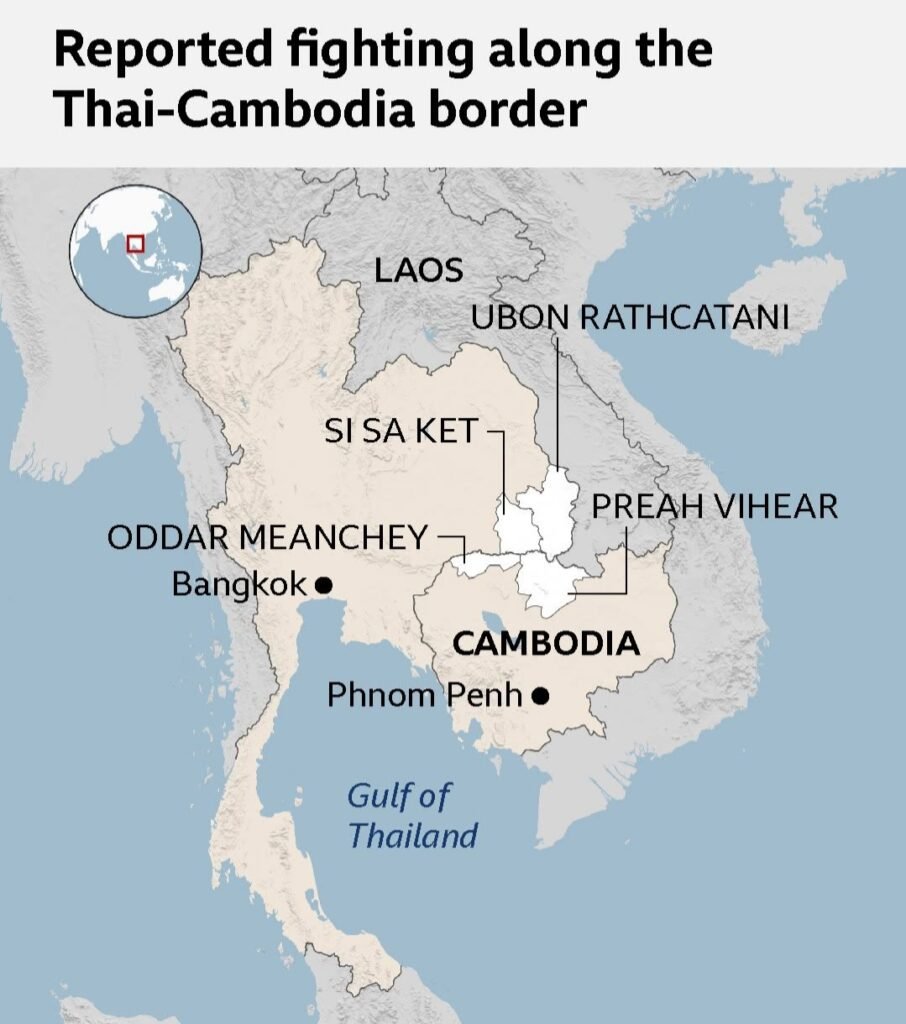
Large stretches of the border remain poorly demarcated. Historical treaties, colonial-era maps, and nationalist sentiment continue to shape conflicting territorial claims.
The contested areas contain not only strategic military positions but also culturally significant sites that both nations emotionally defend. As long as the border remains undefined, the potential for violent confrontation persists.
Political Pressure Behind the Scenes
Rumors swirl that hardline factions within both militaries have been pushing for a more aggressive stance. Critics claim that leaders on both sides may be using border tensions to bolster internal political strength during moments of domestic uncertainty.
Opposition groups in both nations accuse their governments of exploiting nationalism to distract from internal economic challenges, corruption allegations, and political dissatisfaction. Whether intentional or not, the conflict has provided a rallying point for political theatre.
The Humanitarian Crisis: Civilians Pay the Price
While governments trade diplomatic blows, civilians face the harsh consequences of violence.
Mass Displacement in Border Provinces
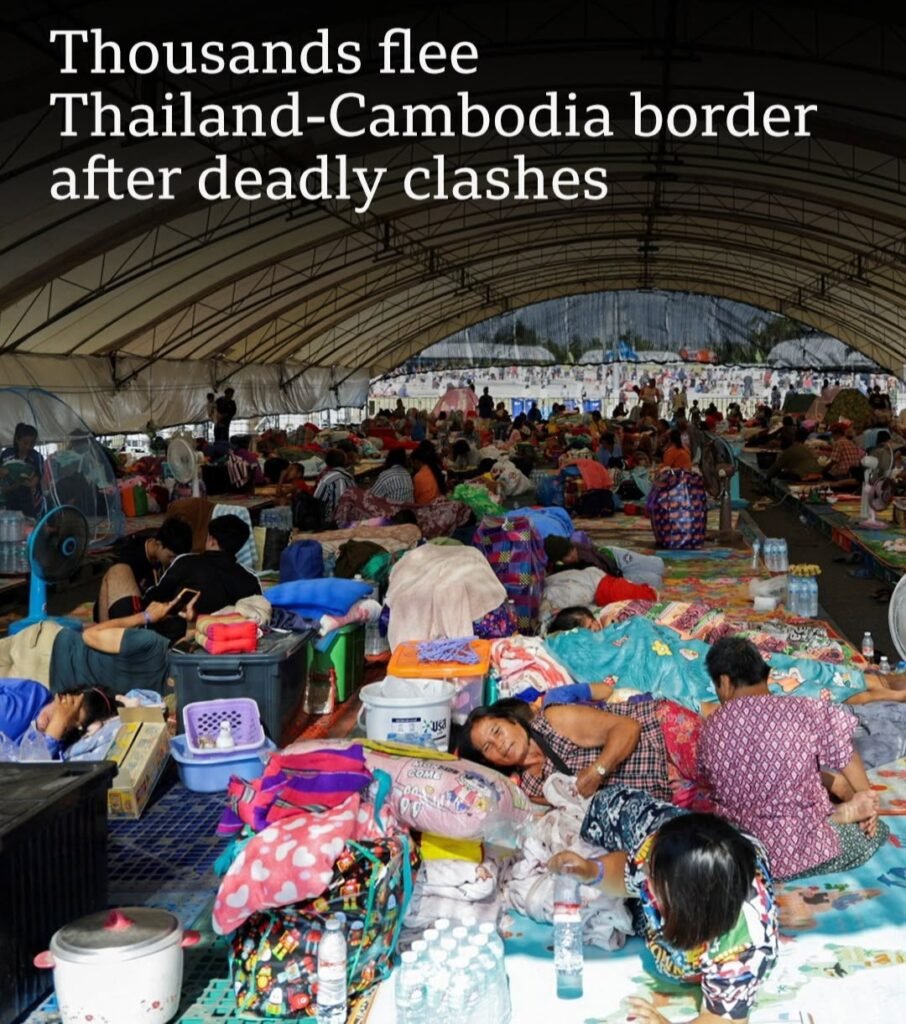
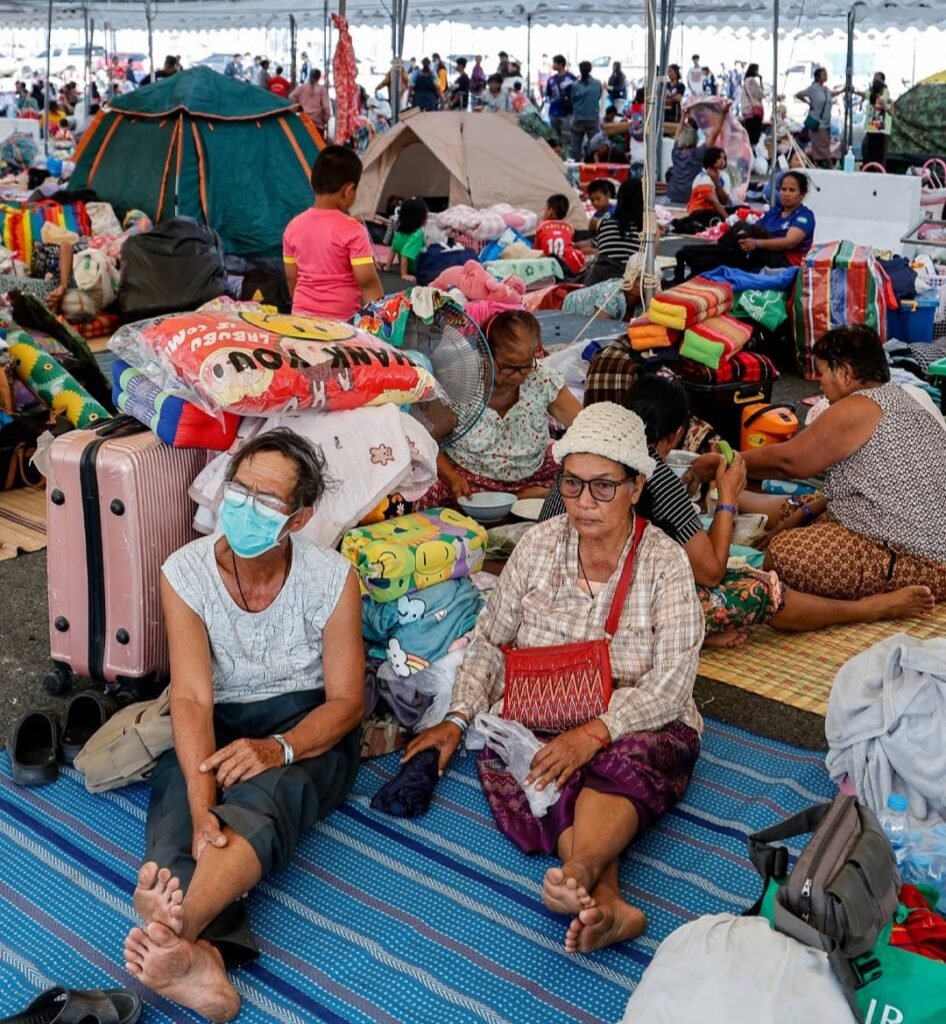
More than ten thousand people have already fled their homes, with numbers rising by the hour. Temporary shelters along the Thailand–Cambodia border are overflowing. Refugees report shortages of food, water, medical aid, and secure shelter.
Some families have been forced to sleep in open fields, exposed to winter temperatures and intermittent shelling. Human rights groups are warning of an impending humanitarian disaster if relief efforts are not scaled up immediately.
Caught Between Two Governments
Civilians trapped along the frontier now face a cruel dilemma:
stay and risk being caught in a crossfire, or flee and risk being displaced indefinitely.
Many express frustration that neither government acknowledges the suffering of border communities. Their homes have become political battlegrounds, while their voices remain unheard.
Diplomatic Breakdowns and Controversial Claims
Accusations and Denials
Both Thailand and Cambodia insist they are victims, not aggressors.
Thailand claims Cambodian troops planted landmines near military outposts.
Cambodia insists Thai forces crossed into its territory.
Both reject responsibility for the civilian casualties.
The conflicting narratives have created a fog of misinformation, leaving international observers unsure of the true sequence of events.
Ceasefire Failure
A fragile ceasefire agreement, brokered through regional diplomacy earlier this year, has collapsed. Critics argue that the deal lacked enforcement mechanisms and was more symbolic than substantive.
Regional powers now face pressure to intervene or mediate before the crisis deepens further.
A Region on Edge: Implications for Southeast Asia
This conflict does not threaten only the immediate border. It could destabilize the entire region if not contained quickly.
Economic Shockwaves
The border region is a vital economic corridor for trade, agriculture, and tourism. The clashes have already disrupted trade routes, and fears of long-term instability could deter investment.
Farmers have lost access to fields. Businesses near the frontier have shut down. Cross-border markets, once bustling with commerce, now stand deserted.
International Concerns
Foreign governments, international organizations, and regional alliances are closely monitoring the situation. There is concern that prolonged violence could trigger a refugee surge, threaten regional infrastructure projects, or ignite nationalist tensions across Southeast Asia.
The possibility of the conflict drawing in external powers cannot be dismissed — especially if one side seeks international military or political support.
Why This Crisis Could Get Worse
Nationalism and Political Exploitation
Nationalist rhetoric is rising rapidly. Political parties on both sides are seizing the moment to rally supporters with patriotic messages.
Such narratives can inflame public sentiment, making diplomatic compromise more difficult.
Border Militarization
Both nations are deploying additional troops, tanks, and aircraft to the frontier. A militarized border dramatically increases the risk of accidental clashes or deliberate provocations.
Humanitarian Neglect
If civilians continue to be ignored, tensions within refugee groups could spark internal unrest. Failing to support displaced populations risks creating resentment that lasts generations.
The Path Forward: Can Peace Still Be Salvaged?
Despite the bleak outlook, peace remains possible — but only through decisive action.
Diplomatic Re-engagement
Neutral mediation is essential. A new ceasefire must include:
Clear border monitoring mechanisms
Third-party verification
Humanitarian corridors
Defined procedures for resolving incidents
Protecting Civilians First
Any negotiation must prioritize civilian safety. The people suffering the most have the least power, and their protection must be central.
Long-term Border Resolution
Ultimately, the border must be clearly demarcated through collaborative efforts and historical assessments. Without resolving the underlying dispute, peace will remain fragile.
Conclusion: A Dangerous Moment for the Region
The ongoing violence at the Thailand–Cambodia border is more than a military clash — it is a political crisis with deep historical roots and explosive contemporary consequences. As thousands flee in fear, the world watches anxiously to see whether diplomacy can prevail or whether Southeast Asia will witness an even greater tragedy.