Japan’s Earthquake Today Sends Shockwaves Across the Nation
Japan woke up today to another violent reminder of its unpredictable geography as a powerful earthquake struck the country’s northeastern region. Buildings shook, alarms blared, transportation halted, and millions of people rushed for safety while authorities scrambled to assess the situation. Although Japan is known for its world-class disaster-preparedness systems, today’s quake has not only rattled the ground but also stirred political tension, public outrage, and debates about the country’s long-standing earthquake policies.
With aftershocks predicted for the next several days, the fear is far from over — and neither is the controversy that is now dominating public conversations.
What Happened: A Breakdown of Today’s Earthquake
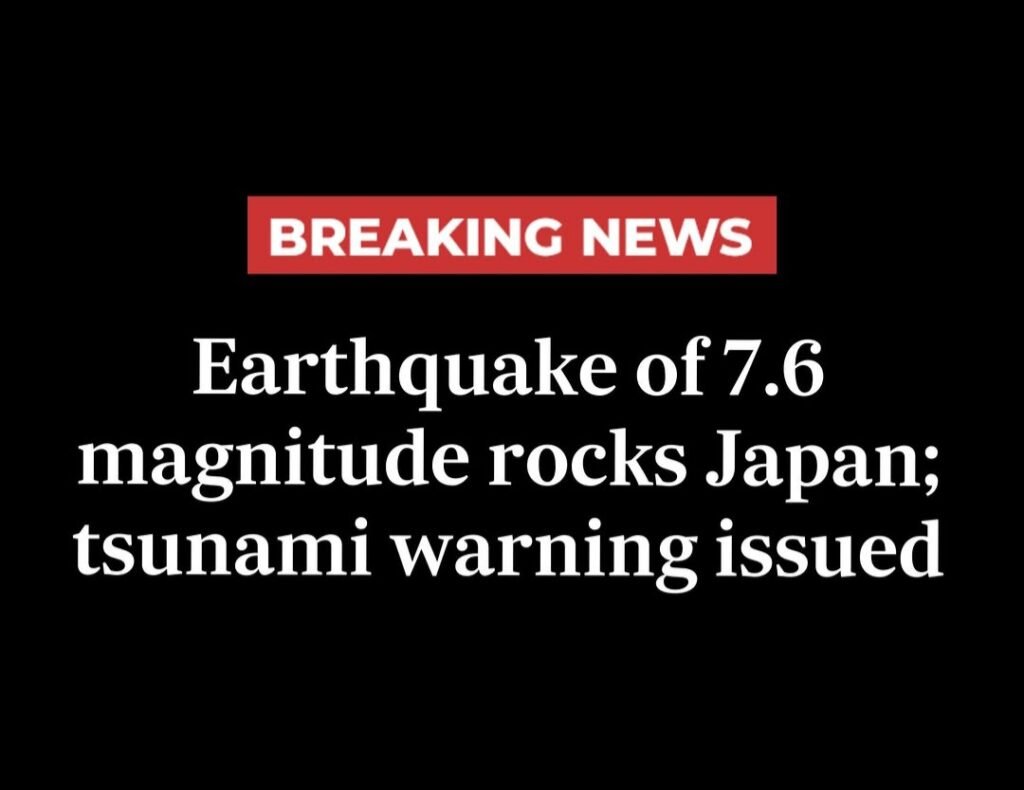
Earlier today, a strong earthquake struck off the northeastern coastline of Japan. The tremors were intense, causing high-rise buildings in major cities to sway dramatically. Residents in multiple prefectures reported the shaking lasted long enough to trigger mass panic. Coastal regions were placed on immediate tsunami alert, prompting thousands to flee to higher ground.
Electricity outages, collapsed walls, broken glass, disrupted train networks, damaged roads, and temporary communication failures were recorded across several cities. Emergency crews were deployed immediately, with helicopters scanning coastal zones for signs of rising waves.
Although no widespread destruction was reported, dozens of individuals sustained injuries ranging from minor cuts to severe trauma caused by falling objects inside homes and workplaces. Local hospitals shifted into high-alert mode as aftershocks continued to ripple through the day.
https://salmon-hawk-329520.hostingersite.com/imran-khan-death-news-suspense/
https://salmon-hawk-329520.hostingersite.com/2026-neo-solar-orange-trending-colour-2026/
The Controversial Side: Questions No One Wants to Ignore
While the physical destruction from the earthquake may be limited compared to historical disasters, the political and social controversies have exploded instantly. Critics, citizens, and analysts are now raising uncomfortable questions that Japan’s authorities cannot ignore.
- Was the Warning System Truly Prepared?
Japan’s earthquake and tsunami alert system is admired globally — but today, it faced widespread criticisms.
Some residents claim sirens rang late, while others say alerts were confusing or even contradictory.
Many coastal residents began evacuating before official warnings, relying on social media posts rather than government announcements. This created a chaotic situation where self-initiated evacuations clashed with delayed instructions.
- Why Did Infrastructure Fail Despite “Strict” Safety Codes?
Even though Japan has some of the most advanced seismic-resistant buildings, multiple videos circulated showing:
Cracked roads
Collapsed store ceilings
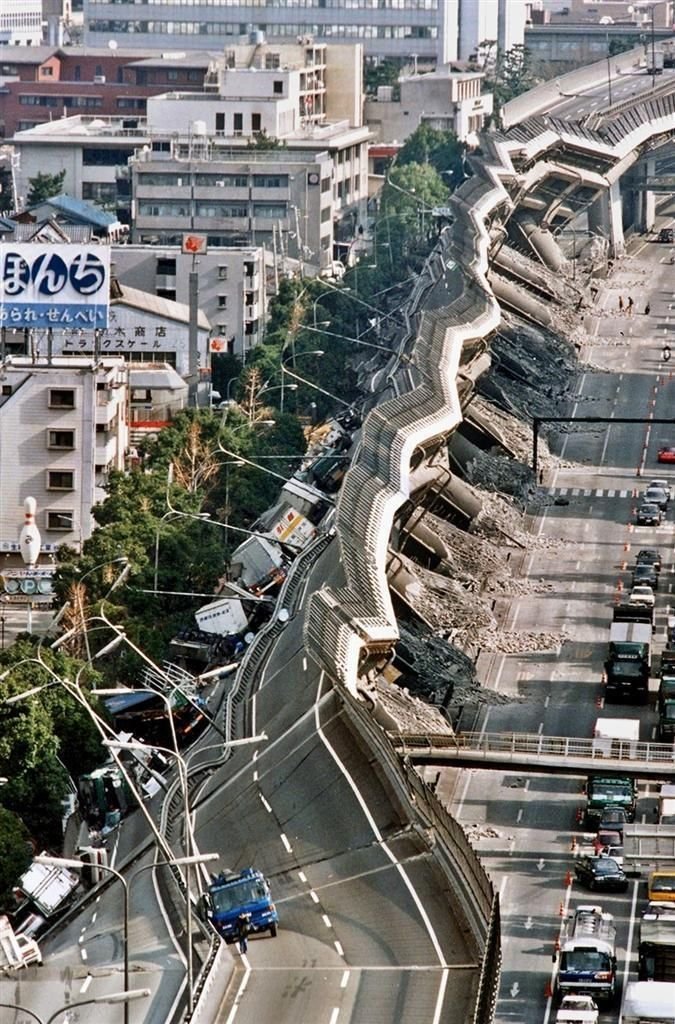
Concrete falling from bridges
Swaying towers that seemed dangerously flexible
This instantly triggered debates about whether aging infrastructure has been neglected for too long.
Public opinion is sharply divided:
Is Japan truly maintaining its seismic safety standards — or merely assuming they are enough?https://www.independent.co.uk/asia/japan/japan-earthquake-tsunami-megaquake-warning-live-b2881469.html
- Nuclear Safety Concerns Once Again in Spotlight
Japan’s nuclear history is sensitive and painful, and any earthquake instantly reignites fear of radiation leaks.
Today was no different. Minor technical irregularities were reported at one facility, creating a frenzy online.
Even though officials insisted there were no safety threats, people questioned:
Are nuclear plants adequately prepared?
Were lessons from past disasters actually implemented?
Why does the government always seem defensive instead of transparent?
- Evacuation Chaos Raises Doubts About Disaster Management
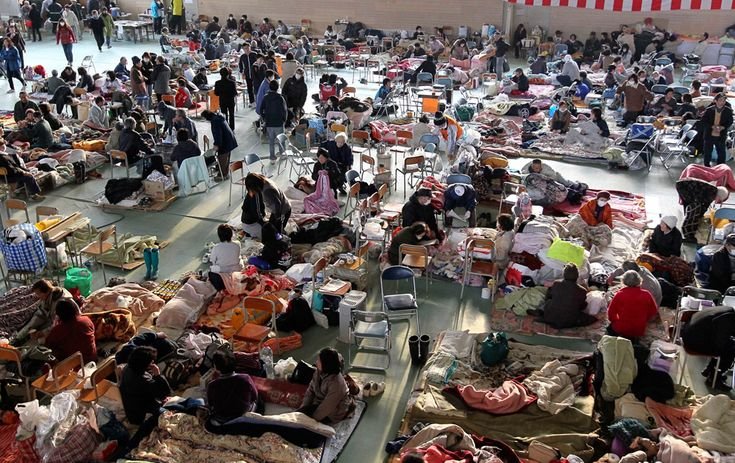
Reports emerged of overcrowded shelters lacking proper supplies. Some people claimed they were turned away due to “limited space.” Others alleged that coordination between local authorities was slow or unclear.
The Human Impact: Fear, Survival, and Unanswered Questions
Beyond numbers and official statements, the human stories of today’s quake paint a vivid picture of chaos and resilience.
Families rushed out barefoot into the cold, clutching children, bags, documents, and pets.
Elderly citizens were assisted by neighbours and volunteers.
Students huddled in schoolyards as aftershocks rattled classrooms.
Commuters were stranded for hours on halted trains.
Heartbreaking scenes surfaced — children crying in evacuation shelters, families separated during the sudden rush, and fishermen watching the coastline anxiously, fearing career-ending destruction.
Japan’s people are strong, disciplined, and united during crises, but today left an emotional scar that will linger long after the earth stops shaking.
Technical Breakdown: Why This Region Is So Vulnerable
Japan sits directly on the Pacific Ring of Fire, a zone of intense seismic activity. The plates beneath the region:
Continuously grind and overlap
Store enormous geological stress
Release that stress unpredictably in the form of quakes
Scientists have long warned that northeastern Japan is particularly vulnerable because of its historical pattern of large tectonic ruptures. Today’s event fits that pattern, prompting experts to issue alerts about potential aftershocks — or even stronger earthquakes — in the coming days.
Political Storm Brewing After the Quake
No major disaster in Japan escapes political scrutiny, and today’s earthquake might become a turning point.
Opposition Parties Demand Investigation
Opposition leaders are already calling for:
A full review of the alert system
Assessment of nuclear plant vulnerabilities
Re-evaluation of seismic safety codes
Public transparency regarding evacuation failures
Government Accused of Downplaying the Risk
Some citizens believe officials are minimizing the quake’s severity to avoid panic or political backlash.
This accusation isn’t new — but today it spread rapidly across social platforms, fueling outrage and distrust.
Debate on Megaquake Predictions Resurfaces
For years, scientists have warned of the possibility of a “future megaquake.”
Today’s tremor reignited debate over:
Whether Japan is prepared for a massive seismic event
Whether government action has been swift enough
Whether public awareness campaigns are outdated
The fear of a larger quake now hangs heavily over the nation.
Lessons Japan Must Confront
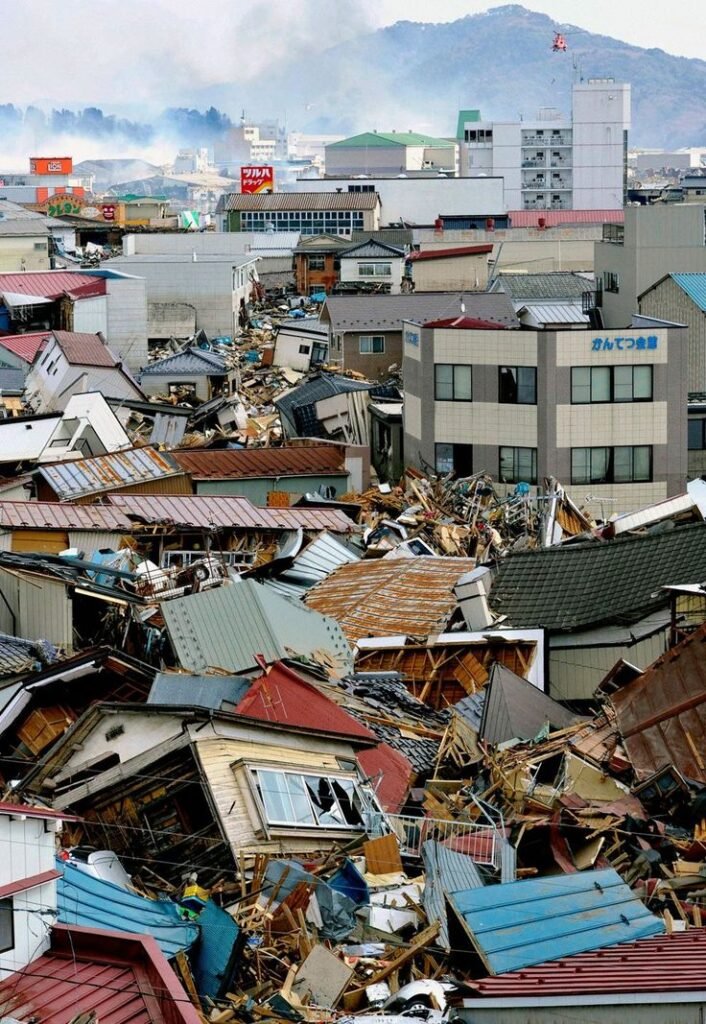
Even though Japan handled the immediate impact better than many countries could, today exposed cracks — literal and symbolic — that demand attention.
- Disaster Protocols Need Modernization
Technology evolves quickly. Emergency alerts and communication systems need major upgrades to avoid delays and confusion.
- Infrastructure Must Be Reinforced Urgently
Aging bridges, roads, and buildings need priority assessment and retrofitting.
- Nuclear Readiness Must Be Re-evaluated
Every tremor is a reminder that nuclear facilities can never be too safe.
- Public Trust Must Be Rebuilt
Disaster management only works when citizens truly believe in it.
- Psychological Support Is Crucial
Earthquakes leave mental scars long after physical ones heal.
The Road Ahead: A Nation on Alert
Japan is on high alert as aftershocks continue shaking several regions.
Scientists warn the coming days are critical.
Authorities urge people to stay prepared:
Keep essentials ready
Follow evacuation instructions
Stay away from coastal zones
Remain alert for official updates
Amid uncertainty, one thing remains undeniable:
Japan’s resilience will be tested once again — and today’s earthquake will spark conversations that last long beyond the tremors.
Conclusion
The earthquake that struck Japan today may not have caused catastrophic destruction, but it has shaken the nation’s confidence in its disaster systems, infrastructure, and leadership. As controversies grow, questions remain unanswered, and aftershocks continue, Japan stands at a crossroads: strengthen its preparedness or risk repeating the tragedies of the past.