Lionel Messi’s arrival at any stadium is never a quiet moment. Cameras follow every step, security tightens, and fans surge toward the gates hoping for a glimpse of the football icon. While many narratives focus on admiration and celebration, there is a less discussed, darker side to these moments. In several instances across his career—from Barcelona and Paris to Miami—fan reactions to Messi’s arrival have crossed lines, creating controversy, disruption, and serious concerns about safety, fairness, and football culture itself.
The Obsession That Crossed the Line
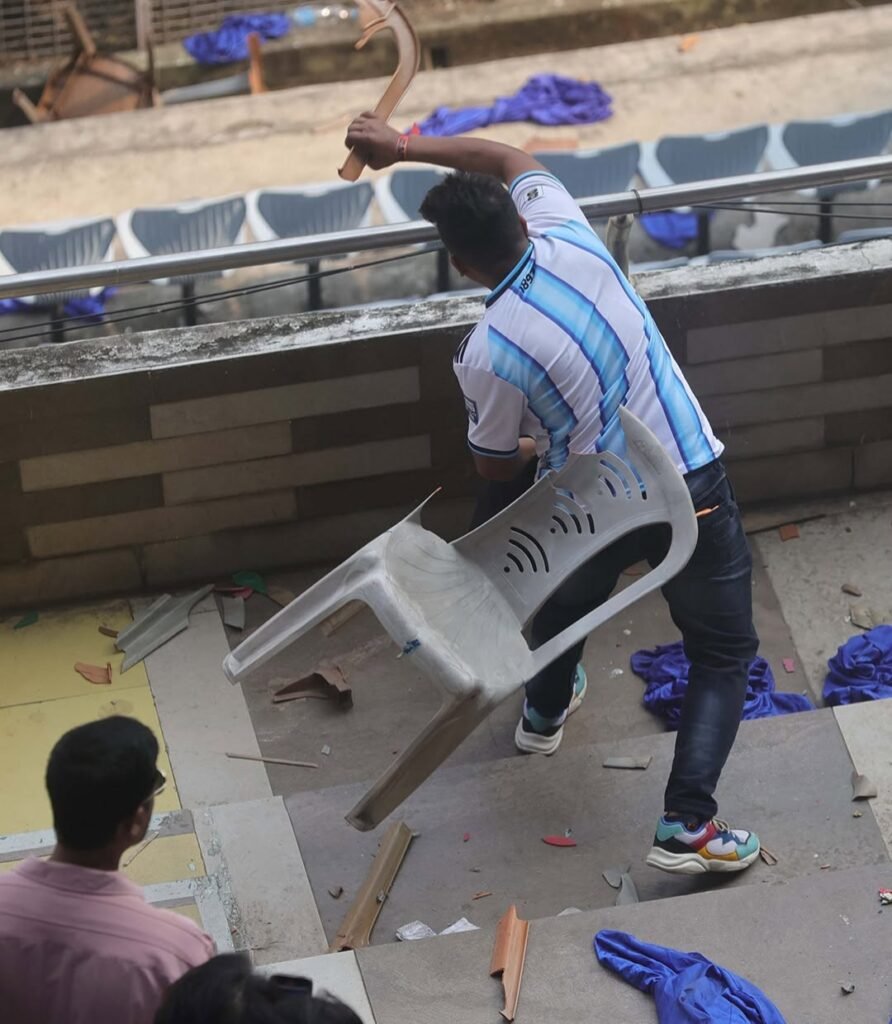
Fans Turning Passion into Frenzy
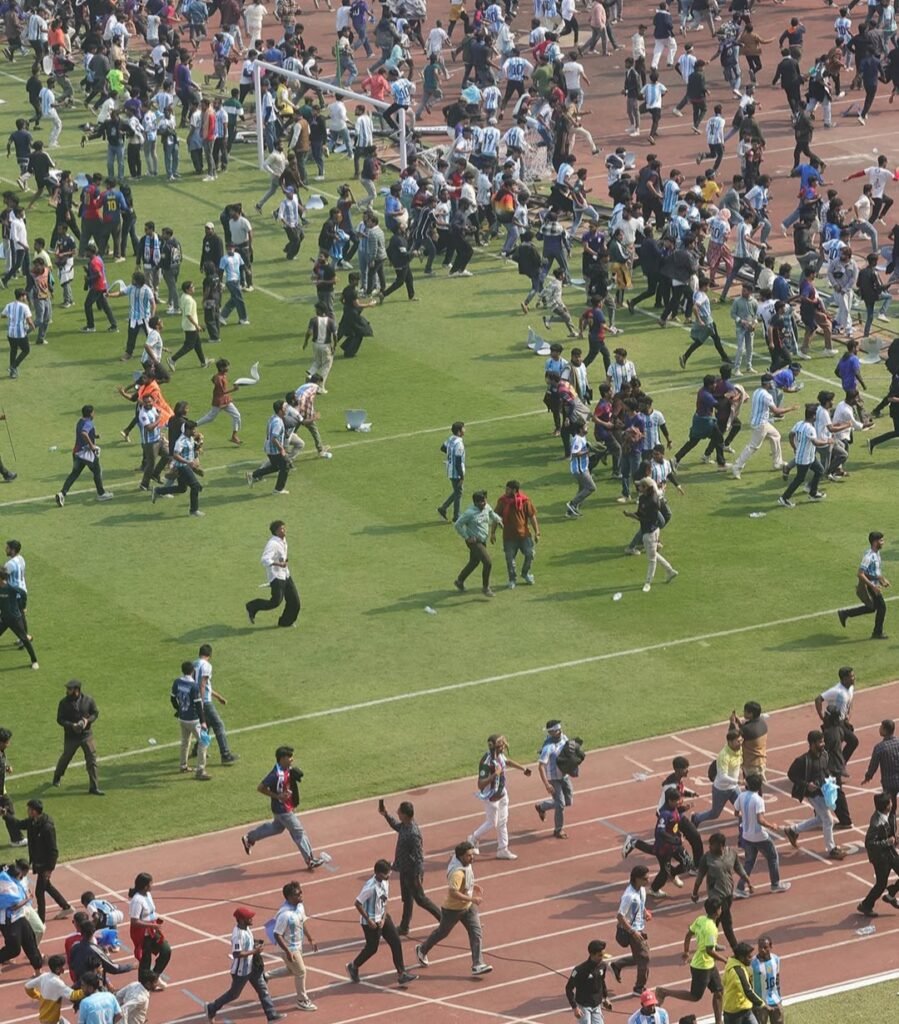
Football passion is powerful, but Messi’s presence has often pushed that passion into unhealthy obsession. At multiple stadiums, fans have abandoned basic etiquette the moment news breaks that Messi’s team bus is approaching.
Crowds have been seen:
Blocking team buses
Climbing barricades
Chasing vehicles
Ignoring police instructions
What should be a professional pre-match routine often turns into a disorderly spectacle. Instead of celebrating football, fans create scenes closer to mob behavior.
Stadium Access Becomes a Nightmare
Messi’s arrival has repeatedly caused severe entry delays. Genuine ticket-holding fans—especially families and elderly supporters—have missed kickoffs because crowds gathered not for the match, but only to see Messi arrive.
In these situations:
Entry gates are jammed
Security resources are diverted
Normal spectators suffer
The irony is clear: fans who actually want to watch football are punished because others treat a stadium like a celebrity red carpet.
Security Chaos and Player Safety Risks
Overcrowding Outside Stadiums
Whenever Messi is scheduled to play, areas outside stadiums often exceed safe capacity. This has forced police to use emergency crowd-control measures, sometimes including barricades, mounted units, or last-minute route changes.
Such scenes raise serious concerns:
Risk of stampedes
Medical emergencies
Inadequate emergency access
These dangers are not hypothetical. Overcrowding has historically led to disasters in sports, making such behavior especially alarming.
Not Just Messi—Others Pay the Price
While Messi is the focal point, other players and staff are often affected negatively. Teammates and opposition players have reported difficulties entering stadiums due to fan congestion.
In some cases:
Opposition buses arrive late
Warm-up schedules are disrupted
Match preparations suffer
This creates an unfair sporting environment where one player’s fame indirectly disrupts competition integrity.
Media Hype Fuels the Madness
Cameras Encouraging Extreme Behavior
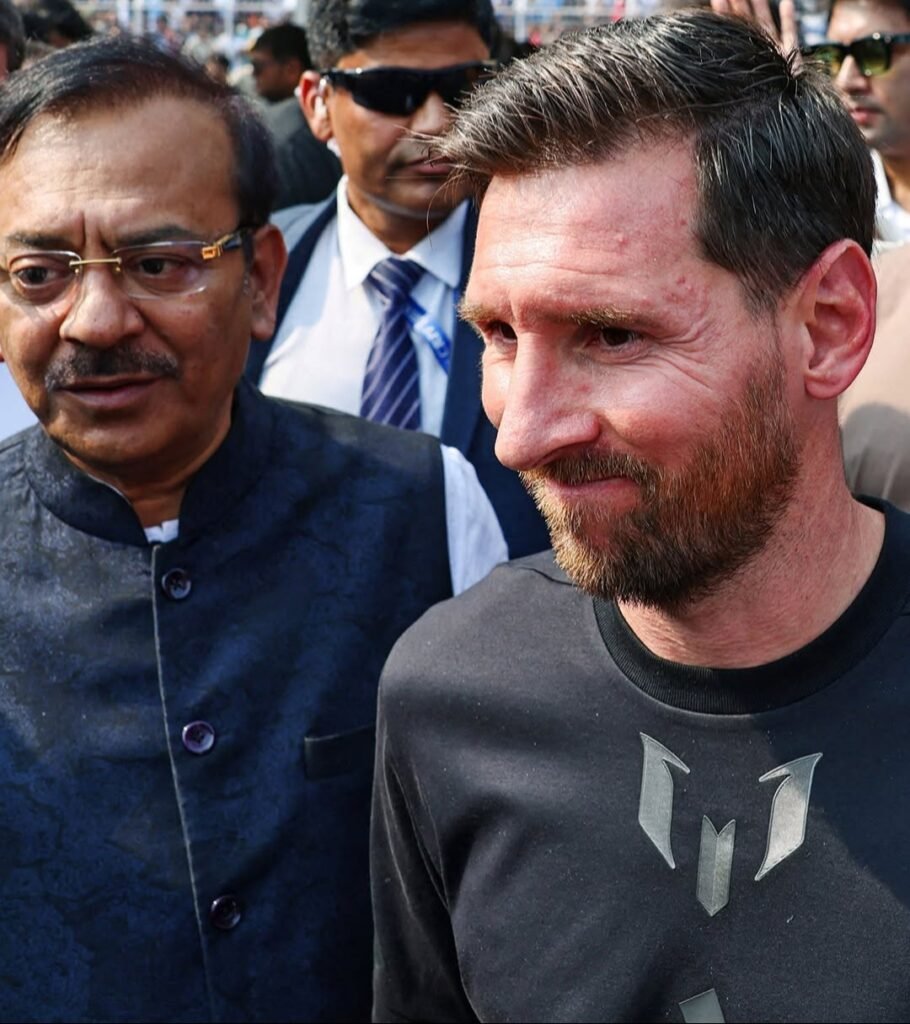
Television networks and social media creators play a major role in amplifying chaotic fan reactions. Cameras focus intensely on Messi’s arrival, broadcasting crowd surges worldwide.
This attention:
Encourages copycat behavior
Rewards extreme actions with visibility
Turns disorder into entertainment
Fans increasingly act not for football, but for viral moments.
Social Media Turns Stadiums into Content Factories
Some fans attend matches not to watch the game, but to record Messi stepping off a bus. Phones are raised, security is ignored, and personal safety becomes secondary to social media clout.
This trend reduces stadiums to content zones rather than sporting venues, undermining the spirit of live football.
Disrespect Toward Clubs and Local Culture
Home Teams Overshadowed
When Messi arrives, the home team often becomes irrelevant in its own stadium. Chants, banners, and attention focus entirely on him—even when he plays for the visiting side.
This creates:
Psychological disadvantage for home players
Frustration among loyal local supporters
Loss of home-ground identity
For smaller clubs, hosting Messi can feel less like a sporting honor and more like losing control of their own house.
Fans Switching Allegiances for One Player
A controversial reality is fans wearing Messi jerseys inside stadiums of clubs they supposedly support. While admiration is natural, this behavior:
Disrespects club loyalty
Weakens traditional fan culture
Promotes player worship over team values
Football becomes personality-driven rather than club-driven.
Ethical Questions Around Hero Worship
Messi the Player vs Messi the Myth
Lionel Messi is undeniably one of football’s greatest players. However, the reaction to his arrival often elevates him beyond sport, into untouchable myth status.
This excessive idolization leads to:
Uncritical fan behavior
Hostility toward anyone questioning him
Intolerance toward rival opinions
Healthy admiration turns into blind devotion, which is never good for sport or society.
Pressure and Unwanted Attention
Ironically, this madness also affects Messi himself. Constant chaos during arrivals increases stress, security dependence, and isolation from normal football life.
The narrative that such reactions are “pure love” ignores the burden placed on the player and those around him.

Commercialization Over Football
Arrival Moments Sold as Products
Clubs and leagues increasingly market Messi’s arrival as an event itself. Special camera angles, promotional countdowns, and exclusive footage turn a routine moment into a commercial asset.
This commercialization:
Encourages exaggerated fan response
Shifts focus from the match
Prioritizes profit over order
Football risks becoming a traveling spectacle instead of a competitive sport.
Ticket Prices and Artificial Demand
Messi’s presence inflates ticket prices dramatically. Fans who genuinely support the home club are often priced out, replaced by celebrity-seekers.
This creates:
Class divide in stadium access
Loss of traditional supporters
A less authentic atmosphere
The arrival chaos is just one symptom of this deeper issue.
When Celebration Turns Into Controversy
Clashes Between Fans and Police
There have been multiple instances where Messi’s arrival triggered confrontations between fans and security forces. Pushing, shouting, and arrests tarnish the image of football as a unifying sport.
Such incidents raise questions:
Are clubs prepared for star-driven crowds?
Is fan culture becoming uncontrollable?
Who takes responsibility when things go wrong?
Football Loses Its Soul
At its worst, these scenes reduce football to chaos, noise, and obsession. The game itself becomes secondary to arrival videos, crowd shots, and viral clips.
When fans care more about seeing a player enter a stadium than watching 90 minutes of football, something is deeply wrong.
Conclusion: A Star Too Big for the Stadium?
Lionel Messi did not create this problem alone. The negative fan reactions to his arrival are the result of unchecked hero worship, media sensationalism, and commercial exploitation of fame. What should be a respectful welcome often turns into disorder, exclusion, and controversy.
Football must ask itself a hard question:
Is the sport still about the game, or has it become a circus revolving around individual stars?
Until fan behavior, media responsibility, and club management change, Messi’s arrival at stadiums will continue to highlight not just his greatness—but the growing cracks in modern football culture.