Introduction
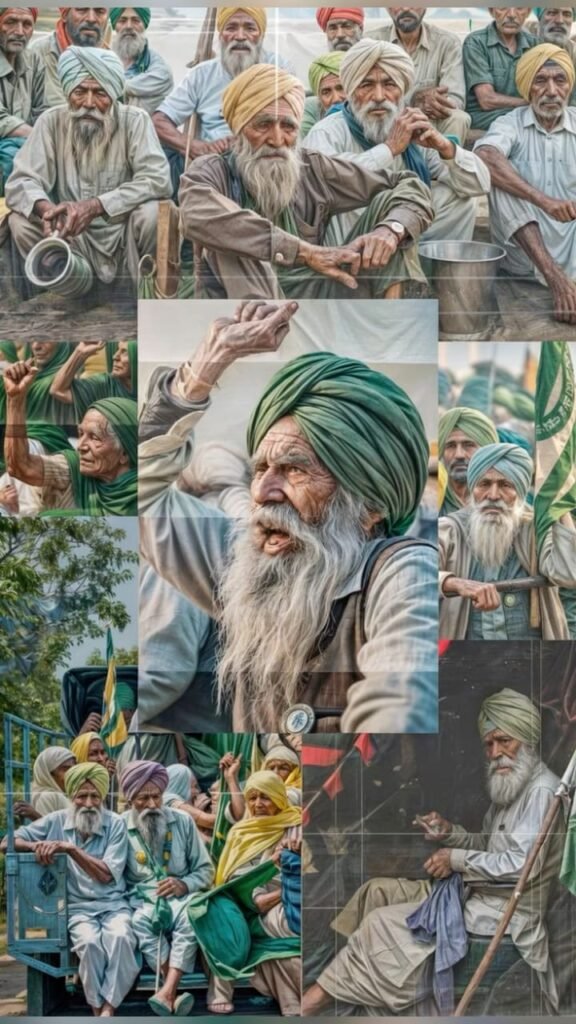
In recent times, Tibbi, a rural block in Hanumangarh district of Rajasthan, has become the center of intense farmer protests. What appears on the surface as opposition to an industrial project is, in reality, a deeper struggle involving water security, agricultural survival, environmental safety, and community rights. Farmers from Tibbi and nearby villages have taken to the streets, organized protests, and raised their voices against what they believe is a serious threat to their land and future.
This article explains why farmers are protesting in Tibbi, what triggered the movement, and why the issue has become so sensitive and widespread.
Where Is Tibbi and Why Does It Matter?
Geographical and Agricultural Importance
Tibbi is located in northern Rajasthan, close to the Punjab border, in the agriculturally important Hanumangarh district. The region depends heavily on:
Canal irrigation
Groundwater
Farming of crops like wheat, cotton, mustard, and fodder
For most families, agriculture is not just an occupation but a way of life, passed down through generations.http://www.rajesthan.com
The Ethanol Plant at the Center of the Dispute
What Is the Proposed Project?
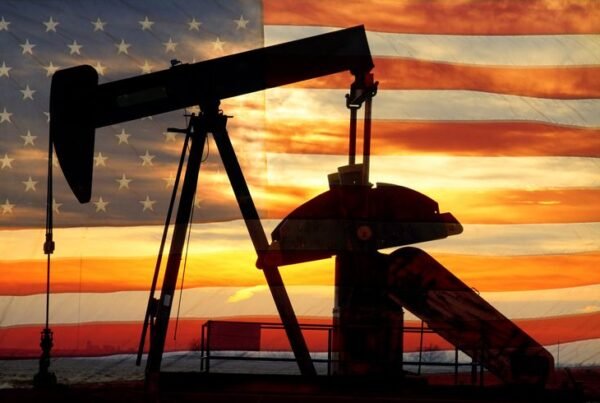
The protest revolves around a grain-based ethanol plant proposed near Tibbi. The project is part of India’s broader push toward ethanol blending in fuel, aimed at reducing dependency on imported oil and supporting agro-based industries.
While the project promises investment and employment, local farmers see more risks than benefits.
Main Reasons Why Farmers Are Protesting
- Fear of Water Scarcity
Water Is Already Limited
One of the biggest concerns for farmers is water consumption by the ethanol plant. Ethanol production requires a large and continuous supply of water.
Farmers argue that:
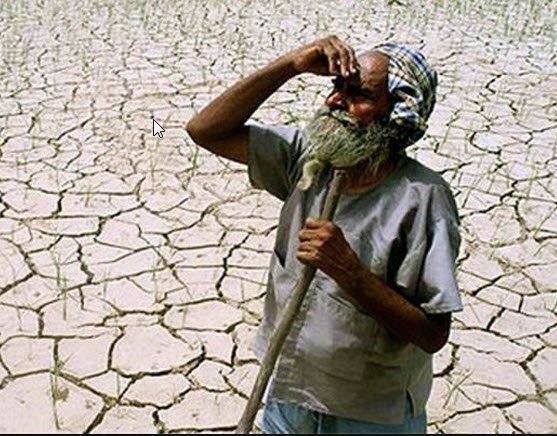
Tibbi already faces seasonal water shortages
Excessive industrial water use could lower groundwater levels
Canal water meant for irrigation may be diverted
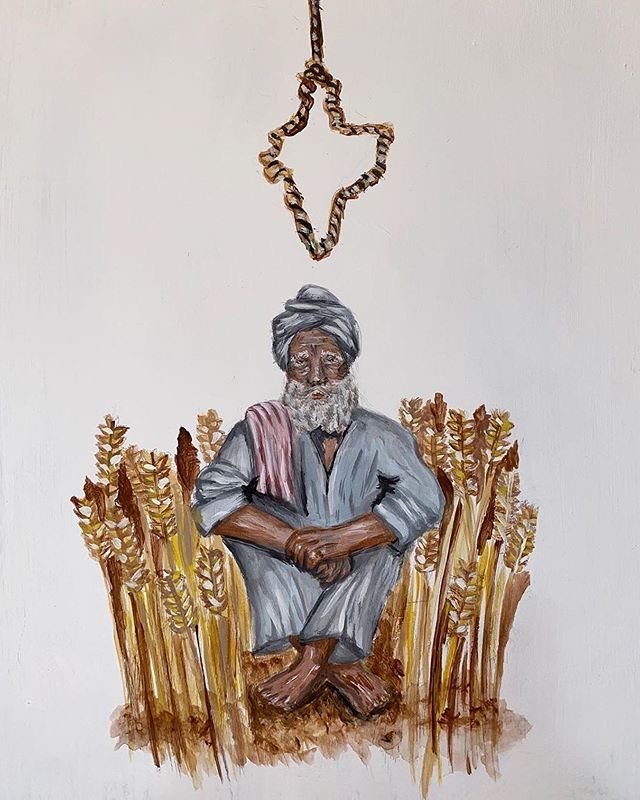
For farmers, loss of water means loss of crops, income, and survival.
- Risk of Environmental Pollution
Threat to Soil and Air Quality
Farmers fear that waste discharge, chemical residue, and emissions from the plant could:
Pollute agricultural land
Reduce soil fertility
Affect crop quality
Increase health risks for humans and livestock
In a farming region, even minor pollution can have long-term consequences.
- Impact on Farming Livelihoods
Agriculture in Tibbi supports:
Farmers
Farm laborers
Transporters
Small traders
Dairy owners
Farmers believe industrial activity near fields may:
Reduce crop productivity
Increase land prices but reduce farm usability
Push younger generations away from agriculture
This creates fear of slow displacement of traditional rural life.
- Lack of Proper Consultation
Feeling Ignored by Authorities
A major emotional trigger of the protest is the belief that:
Local farmers were not adequately consulted
Decisions were taken without village consent
Environmental impact discussions were not transparent
When people feel excluded from decisions affecting their land, resistance becomes inevitable.
How the Protest Developed
Early Opposition
Initially, farmers organized:
Village meetings
Petitions
Peaceful demonstrations
They demanded:
Suspension of construction
Environmental review
Open dialogue with authorities
Escalation Into Conflict
As construction activities continued, frustration grew. Protests intensified, leading to:
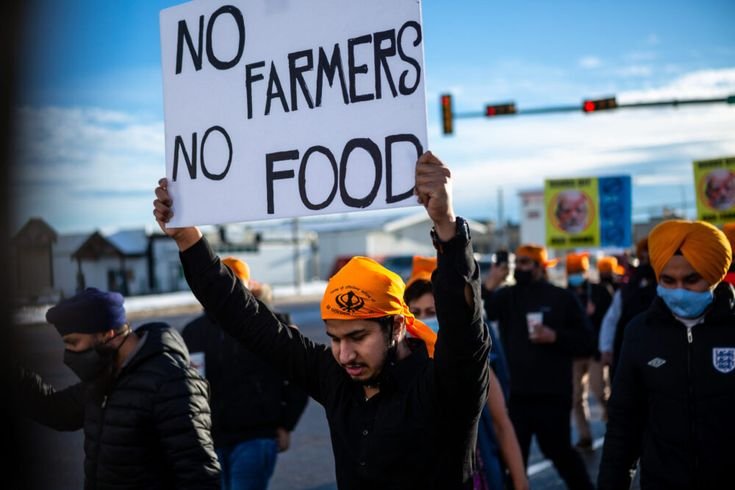
Large gatherings of farmers
Marches toward the project site
Clashes with law enforcement
The situation worsened when:
Police action was taken to control crowds
Vehicles were damaged
Internet services were suspended in some areas
This escalation turned a local issue into a state-level concern.
Political Attention and Public Debate
Involvement of Political Leaders
The protest attracted attention from:
Local representatives
Opposition leaders
Farmer unions
Some leaders supported farmers’ demands, while others emphasized industrial development. This political involvement further amplified the issue across Rajasthan.
Why the Tibbi Protest Is Important for India
- Development vs Agriculture Debate
The Tibbi protest reflects a larger national question:
How should India balance industrial growth with agricultural sustainability?
Farmers are not against development, but they demand development that does not destroy farming.
- Water Security as a National Issue
With climate change and declining groundwater levels, water has become India’s most valuable resource. Any project that threatens rural water access faces strong resistance.
- Community Consent and Democracy
The protest highlights the importance of:
Local participation
Transparent approvals
Respect for rural voices
Ignoring community concerns can turn development into conflict.
What Farmers Are Demanding
Farmers in Tibbi are demanding:
A halt to the ethanol plant until concerns are addressed
Independent environmental assessment
Protection of irrigation water
Written guarantees safeguarding agriculture
Meaningful dialogue with decision-makers
Their demands focus on security, not opposition to progress.
Conclusion
The farmers’ protest in Tibbi, Rajasthan, is not a sudden outburst but the result of deep-rooted fears about water, land, and livelihood security. For farming communities, the ethanol plant represents uncertainty in an already challenging agricultural environment.
The situation in Tibbi serves as a reminder that true development must include farmers, protect natural resources, and respect local voices. Whether the protest leads to resolution or further conflict will depend on how authorities balance economic ambition with agricultural reality.
What is happening in Tibbi today could shape how rural India responds to industrial projects in the future.