
The name Chemma Y has recently surfaced across social media platforms, conspiracy forums, and short-video apps, accompanied by a provocative claim: Chemma Y is part of the Illuminati. The allegation spreads fast, fueled by screenshots, symbolic interpretations, and dramatic narration—but what actually stands behind this theory?
This article does not declare Chemma Y a member of any secret society. Instead, it investigates why such claims exist, what “evidence” supporters cite, and why none of it has been proven. Everything here is presented as claims, interpretations, and public speculation, not verified facts.

The Origin of the Chemma Y–Illuminati Rumor
How the Theory First Appeared Online
The earliest mentions of Chemma Y’s alleged Illuminati connection appeared on Instagram Reels, YouTube Shorts, and Telegram conspiracy channels. These posts often followed a familiar pattern:
A slowed-down video clip
Dramatic background music
Red circles around symbols
Text overlays like “They don’t want you to know this”
None of the original posts cited primary sources, documents, or statements from Chemma Y.
Viral Amplification by Algorithm Culture
Once a few videos crossed tens of thousands of views, the algorithm did the rest. Content creators reused the same clips, sometimes adding new interpretations. Over time, repetition created perceived credibility—a known phenomenon in misinformation studies.http://www.chemmay .com
The “Evidence” Supporters Claim to See
Supporters of the theory often point to visual and behavioral cues. Below is a breakdown of the most commonly cited claims.http://www.truthfrontier.com
Symbolism in Visual Content
The All-Seeing Eye Claim
One image frequently circulated shows Chemma Y posing with a hand gesture near the face. Conspiracy supporters interpret this as a reference to the Eye of Providence, a symbol commonly linked—often inaccurately—to Illuminati myths.
Reality check:
Hand gestures near the eye are common in photography, fashion poses, and music visuals. No statement from Chemma Y has ever connected this pose to secret symbolism.
Triangle and Pyramid Imagery
Some videos highlight background shapes—stage lighting, graphic designs, or clothing patterns—that resemble triangles or pyramids.
Claim: Triangles = Illuminati
Fact: Triangles are one of the most common geometric shapes in design, branding, and art.
Numbers, Dates, and “Hidden Meanings”
The 13 and 33 Theory
Another recurring argument involves numbers:
Release dates adding up to 13
Social media captions posted at 3:33
Event timings ending in :33
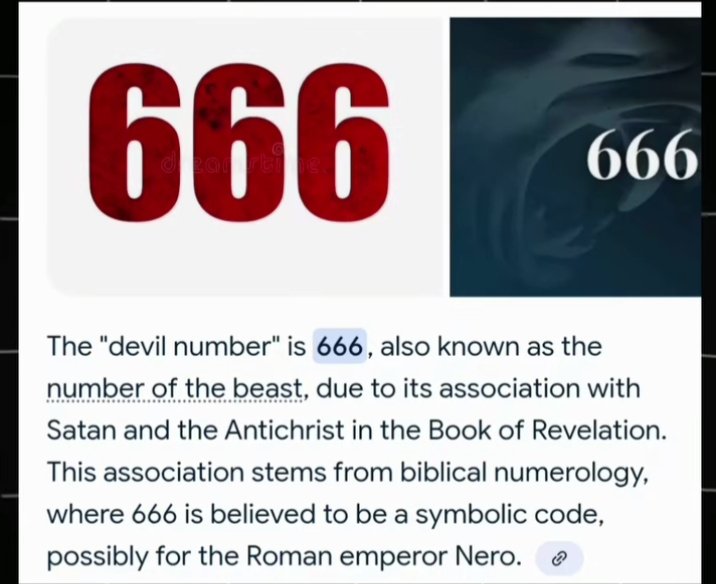
Supporters claim these numbers are sacred within Illuminati mythology.
Context:
These numerology theories rely on selective attention—ignoring thousands of posts that do not fit the pattern and highlighting the few that do.
Associations With Powerful Figures
Guilt by Proximity
Some posts claim Chemma Y has appeared at the same events or platforms as wealthy entrepreneurs, politicians, or global brands.
Narrative pushed:
“Everyone successful at this level is connected.”
Missing evidence:
No documented meetings
No financial disclosures
No leaked communications
Public events do not imply secret affiliations.
Silence as “Proof”: A Dangerous Assumption
Why Not Responding Is Framed as Guilt
A major fuel for the controversy is that Chemma Y has not publicly denied the allegations.
Supporters say:
“If it wasn’t true, they would deny it.”
In reality:
Public figures often ignore fringe theories to avoid amplifying them
Responding can legitimize baseless claims
Silence is not evidence
What the Illuminati Actually Was
Historical Context vs Modern Myth
The Bavarian Illuminati was a real organization founded in 1776 by Adam Weishaupt. It:
Existed for less than a decade
Was banned by the Bavarian government
Has no proven continuation into modern times
Modern Illuminati narratives are largely shaped by:
Pop culture
Films and music videos
Internet conspiracy ecosystems
Why Chemma Y Became a Target
Rising Visibility Attracts Speculation
Patterns show that individuals become conspiracy targets when they:
Gain rapid popularity
Display unconventional style
Maintain privacy
Avoid constant media explanations
Chemma Y fits several of these traits, making them a blank canvas for speculation.
The Aesthetic Factor
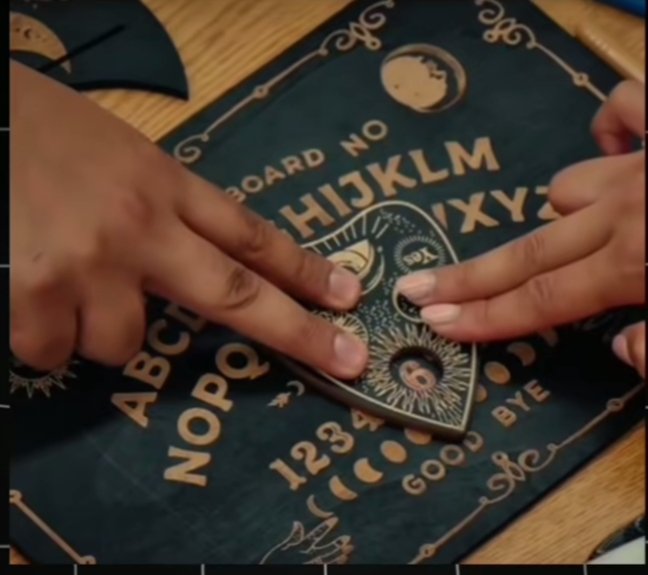
Dark visuals, minimal interviews, symbolic art, or mysterious branding often trigger conspiracy interpretations—regardless of the creator’s intent.
Psychological Reasons People Believe the Theory
Pattern-Seeking Behavior
Humans are wired to seek meaning. When success feels sudden or unexplained, secret explanations feel more satisfying than hard work or chance.
Control in an Uncertain World
Believing in hidden elites provides a sense of order:
“Someone is in control—even if it’s evil.”
What Evidence Is Actually Missing
No Documents, No Whistleblowers, No Records
Despite years of similar claims about various celebrities:
No verified Illuminati membership list has surfaced
No financial trails confirm such affiliations
No credible insider testimony exists
In Chemma Y’s case specifically:
No statements of allegiance
No leaked contracts
No investigative journalism confirmations

Conclusion: Rumor, Not Reality
The claim that Chemma Y is a member of the Illuminati remains unproven speculation driven by symbolism interpretation, algorithmic amplification, and modern conspiracy culture. What is often labeled as “evidence” collapses under scrutiny and relies on assumption rather than verification.
That does not stop the rumor from spreading—but popularity of a claim does not make it true.
In the digital age, mystery sells better than facts. Chemma Y’s story is less about secret societies and more about how quickly narratives form when curiosity meets confirmation bias.