
Introduction: A currency under pressure
The steady fall of the Indian Rupee is no longer a temporary fluctuation—it has become a structural problem. Despite repeated assurances from policymakers, the rupee continues to weaken against major global currencies, especially the US dollar. This decline is not accidental, nor is it entirely driven by global forces. It reflects deeper economic vulnerabilities, policy contradictions, and rising external dependence that India has struggled to control.
While authorities frame the fall as “managed depreciation” or a result of global uncertainty, the reality is harsher. A weak currency reduces purchasing power, raises import costs, fuels inflation, and exposes long-term economic fragility.
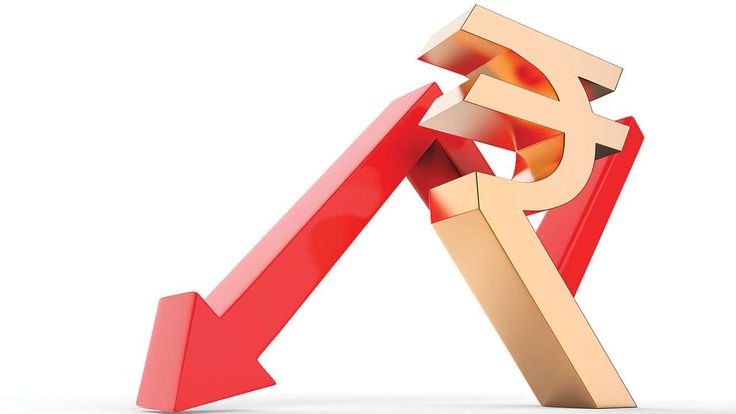
The Rupee’s Decline Is Not New—It Is Chronic
A long-term downward trend
The rupee has been losing value consistently over the past decade. This is not a one-time shock but a repeated pattern. Every global disturbance—oil price spikes, US interest rate hikes, geopolitical tensions—pushes the rupee lower, and it rarely recovers meaningfully.
A strong currency reflects confidence in an economy. The rupee’s inability to regain strength signals a trust deficit in India’s macroeconomic fundamentals.
Temporary stability hides permanent weaknesshttp://www.RBI.com
At times, the rupee appears stable due to central bank intervention. However, this stability is artificial. Foreign exchange reserves are used to slow the fall, not reverse it. Once intervention eases, depreciation resumes.
This suggests that the rupee is being defended, not supported by natural economic strength
Rising Trade Deficit: Import Addiction Is Bleeding the Rupee
India imports more than it exports
One of the biggest reasons for the rupee’s fall is India’s widening trade deficit. The country imports massive quantities of crude oil, electronics, defense equipment, gold, and industrial machinery. Exports, meanwhile, grow slowly and remain concentrated in limited sectors.
When imports exceed exports, demand for foreign currency rises. This automatically weakens the rupee.
Crude oil dependency is a silent killer
India imports most of its oil. Every rise in global crude prices directly increases dollar demand. Since oil is priced in dollars, the rupee weakens even if domestic conditions remain unchanged.
This dependence makes the rupee extremely sensitive to global energy markets, leaving it vulnerable and unstable.

Capital Outflows: Foreign Investors Are Losing Confidence
Foreign investors follow profit, not patriotism
Foreign institutional investors pull money out of Indian markets whenever global interest rates rise or risk increases. Higher US interest rates make dollar assets more attractive, leading investors to exit emerging markets like India.
Every large outflow increases dollar demand, putting further pressure on the rupee.
Volatility scares long-term capital
Frequent policy changes, regulatory uncertainty, and political risk perception discourage stable long-term investment. Short-term speculative inflows dominate, which exit quickly during global stress.
This creates currency instability instead of strength.
Interest Rate Dilemma: Growth vs Currency Stability
Higher rates hurt growth, lower rates hurt the rupee
To protect the rupee, interest rates need to be high. But higher rates slow economic growth and increase borrowing costs. To boost growth, rates are kept moderate—at the cost of currency weakness.
This policy dilemma traps the rupee in a weak position.
Inflation erodes currency value
Persistent inflation reduces purchasing power. When domestic prices rise faster than global prices, the rupee naturally depreciates. Inflation in essentials like food and fuel amplifies this problem.
A currency cannot remain strong if internal price stability is weak.
Dollar Dominance: The Global System Is Not Neutral
The US dollar controls global trade
The global financial system is heavily dollar-centric. Most trade, debt, and reserves are dollar-based. When the US tightens monetary policy, global liquidity shrinks, hurting weaker currencies like the rupee.
India cannot escape this system without fundamental changes.
Currency wars favor stronger economies
Major economies protect their currencies aggressively. Emerging economies often absorb the shock. The rupee falls not only because of domestic weaknesses, but because the global system is structurally biased.

External Debt: Borrowing in Dollars Is a Risky Game
Servicing foreign debt weakens the rupee
India’s external debt requires repayment in foreign currency. As the rupee falls, repayment becomes more expensive. This increases dollar demand and creates a vicious cycle.
More borrowing leads to more vulnerability.
Corporate exposure worsens the problem
Many Indian companies have foreign currency loans. When the rupee weakens, their liabilities increase, pressuring balance sheets and reducing investor confidence.
This spills over into currency markets.
Manufacturing and Export Weakness
India is not an export powerhouse
Despite its population and labor force, India has not achieved export dominance in manufacturing. Countries with strong currencies typically export high-value goods at scale.
India’s export basket remains limited, low-margin, and vulnerable to global slowdowns.
Dependence on services is risky
While IT services bring foreign exchange, they are sensitive to global recessions and outsourcing cycles. Services alone cannot support a strong currency long-term.
A weak manufacturing base equals a weak rupee.
Government Narrative vs Economic Reality
Optimism masks structural issues
Official statements often highlight growth numbers while ignoring currency stress. Growth driven by consumption and borrowing does not strengthen a currency.
Without productivity gains, export expansion, and energy independence, optimism remains cosmetic.
Currency weakness affects ordinary citizens
A falling rupee increases prices of fuel, electronics, education abroad, medicines, and imported food. Inflation hits the middle and lower classes hardest.
The cost of depreciation is paid by citizens, not policymakers.
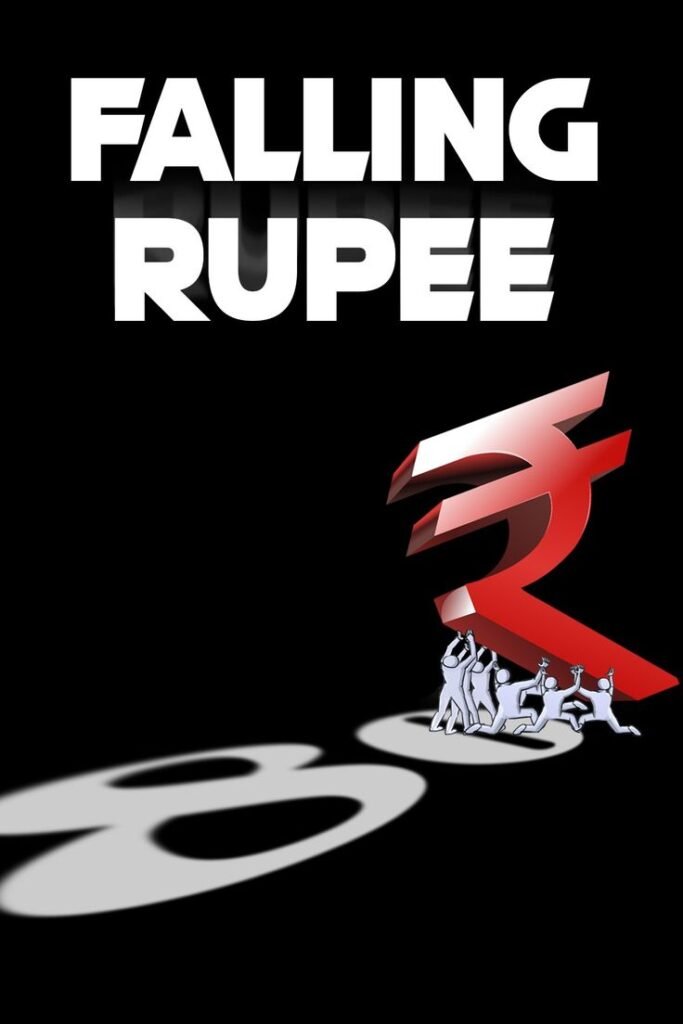
Conclusion: The Rupee Is Falling Because the Economy Is Unbalanced
The Indian rupee is not falling due to one reason—it is falling due to structural imbalance. High imports, weak exports, foreign capital dependence, inflation, global dollar dominance, and policy constraints all combine to weaken it.
Until India:
Reduces import dependence
Strengthens manufacturing
Expands exports
Controls inflation sustainably
Builds long-term investor confidence
…the rupee will remain under pressure.
Currency strength is not declared—it is earned. And right now, the rupee reflects an economy still struggling to balance ambition with reality.