
False flag attacks are among the most misunderstood and controversial topics in modern political and military discussions. The term is often used in news debates, social media arguments, and conspiracy theories, yet many people do not fully understand what it truly means. This article explains false flag attacks in a clear, factual, and balanced way, separating historical reality from exaggeration and misinformation.
What Is a False Flag Attack?
Simple Definition
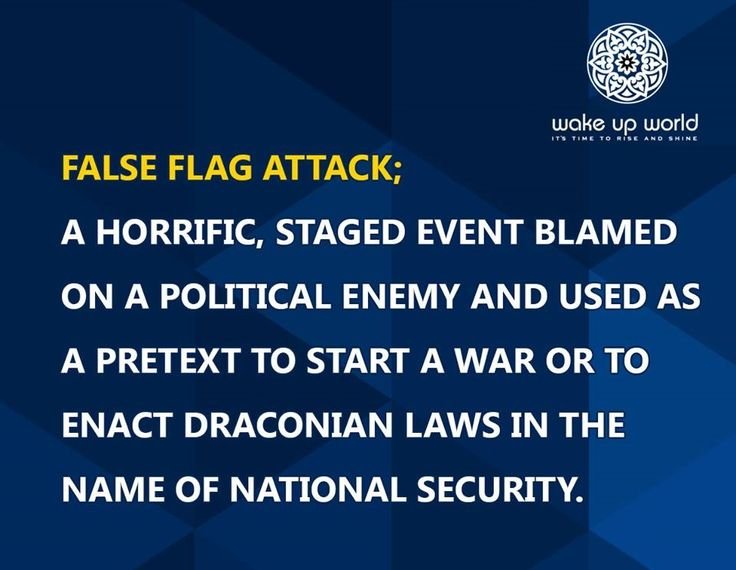
A false flag attack is an operation carried out by one group but made to look as if it was committed by another group. The goal is usually to deceive people, manipulate public opinion, or justify political, military, or legal actions against an enemy.
The phrase “false flag” comes from naval warfare, where ships would raise the enemy’s flag to confuse or trick opponents before battle. Over time, the term expanded beyond military use to include intelligence operations, political actions, and covert activities.http://www.bondibeach.com
Core Purpose of False Flag Operations
False flag attacks are designed to:
Shift blame onto a rival or enemy
Gain public support for war or harsh policies
Create fear or anger among the population
Justify surveillance, repression, or military retaliation
It is important to note that not every suspicious event is a false flag. The term should only be used when there is credible evidence of intentional deceptionhttp://www.truthfrontier.com.
Historical Origins of False Flag Tactics
Early Military Deception
False flag tactics have existed for centuries. Ancient armies used disguises, fake banners, and misleading signals to confuse enemies. In naval history, ships often flew false flags to approach enemy vessels without raising suspicion.
These actions were considered strategic deception rather than moral wrongdoing in traditional warfare.
Evolution in Modern Times
With the rise of nation-states, intelligence agencies, and mass media, false flag operations became more complex. Modern false flag attacks may involve:
Covert intelligence agencies
Proxy groups or militias
Manipulation of media narratives
Psychological warfare
Modern communication makes these operations more dangerous, as misinformation can spread rapidly and influence millions of people.
Famous Alleged and Confirmed False Flag Cases
Confirmed Historical Examples
Some false flag operations are well-documented and acknowledged by governments or historians:
The Gleiwitz Incident (1939)
Nazi Germany staged an attack on a German radio station and blamed Poland. This incident was used as one of the justifications for invading Poland, which led to World War II. This is one of the clearest and most widely accepted examples of a false flag operation.
Operation Northwoods (1962)
This was a proposed plan by U.S. military leaders that suggested staging attacks on American targets and blaming Cuba to justify war. The plan was never approved or executed, but its existence proves that such ideas have been seriously considered by governments.
Alleged and Debated Cases
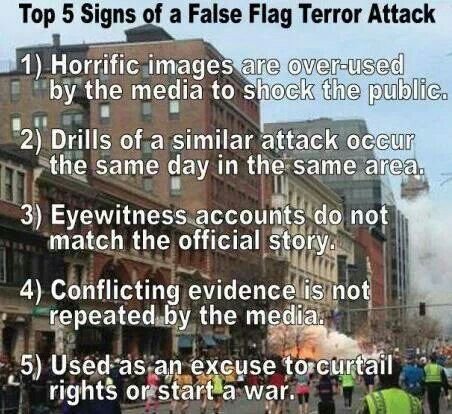
Many modern events are labeled as false flags without solid evidence. These claims often rely on speculation, emotional reactions, or political bias. Responsible analysis requires verified documents, credible investigations, and independent confirmation.
False Flag Attacks vs Conspiracy Theories
Understanding the Difference
Not every shocking or tragic event is a false flag attack. A conspiracy theory often assumes hidden coordination without strong proof, while a verified false flag operation is supported by documents, testimony, or official admissions.
False flag accusations can sometimes be used to:
Distract from real perpetrators
Discredit genuine victims
Spread confusion and distrust
This is why critical thinking and reliable sources are essential when discussing such claims.
Why False Flag Claims Spread Easily
False flag narratives spread quickly because they:
Offer simple explanations for complex events
Tap into public distrust of governments
Spread rapidly on social media platforms
Are emotionally powerful and controversial
Fear and anger make people more likely to accept dramatic claims without verification.
How Governments and Groups Use False Flags
Political Motivation
Governments or political groups may use false flag attacks to:
Increase nationalism
Silence opposition
Win elections
Introduce strict laws during emergencies
History shows that crises often lead to expanded government power, which makes manipulation tempting.
Military and Strategic Goals
In warfare, false flag attacks can:
Provoke an enemy into making the first move
Create justification for invasion
Test public reaction to conflict
Shift international opinion
Such actions are extremely risky and can backfire if exposed.
Legal and Ethical Implications
International Law Perspective
False flag attacks that involve harming civilians violate international humanitarian law. War crimes, crimes against humanity, and acts of terrorism can apply if civilians are intentionally targeted.
Even deceptive military operations are regulated under international conventions. Misusing false flags can lead to severe global consequences.
Moral Concerns
Ethically, false flag attacks are widely condemned because they:
Exploit innocent lives
Destroy trust in institutions
Increase hatred and violence
Undermine democracy and accountability
Once trust is broken, rebuilding it can take generations.
Role of Media in False Flag Narratives
Media as a Tool
Media plays a crucial role in shaping perceptions. In some cases, misleading or incomplete reporting can unintentionally support false flag narratives. In other cases, media outlets may be deliberately manipulated with false information.
Importance of Responsible Journalism
Responsible journalism includes:
Verifying sources
Avoiding emotional language
Presenting multiple perspectives
Correcting mistakes openly
A free and critical press is one of the strongest defenses against false flag manipulation.
How to Analyze False Flag Claims Critically
Key Questions to Ask
When you hear about a supposed false flag attack, consider:
Who is making the claim?
What evidence is provided?
Are independent experts involved?
Has the claim been verified by credible sources?
Who benefits from this narrative?
Asking these questions helps prevent emotional manipulation.
Importance of Evidence
Real false flag operations are usually exposed years later through:
Declassified documents
Whistleblowers
Court investigations
Independent historical research
Immediate conclusions without evidence often lead to misinformation.
Why Understanding False Flag Attacks Matters
Impact on Society
False flag accusations can:
Deepen political polarization
Create paranoia and fear
Damage social unity
Distract from real issues
Understanding the concept properly helps citizens stay informed without becoming cynical.
Balance Between Skepticism and Trust
Healthy skepticism is important, but constant disbelief can be harmful. A balanced approach means questioning power responsibly while respecting verified facts.
Conclusion: Truth, Caution, and Awareness
False flag attacks are a real historical phenomenon, but they are also frequently misused as explanations for events without proof. Understanding their origins, purposes, and consequences helps people distinguish between fact and speculation.
In an age of instant information and viral narratives, awareness is the strongest defense. Not every tragedy is a conspiracy, and not every conspiracy claim is false. The truth lies in careful investigation, evidence-based thinking, and a commitment to understanding reality beyond fear and emotion.
By learning about false flag attacks with clarity and accuracy, society becomes better equipped to resist manipulation and protect democratic values.