
In today’s competitive world, branding is no longer limited to big companies. Whether you are a student, freelancer, content creator, entrepreneur, or professional, personal and business branding helps you stand out, build trust, and create long-term recognition. Branding is not just about a logo or color—it is about perception, value, and consistency. This article explains how to make your own branding in a practical way
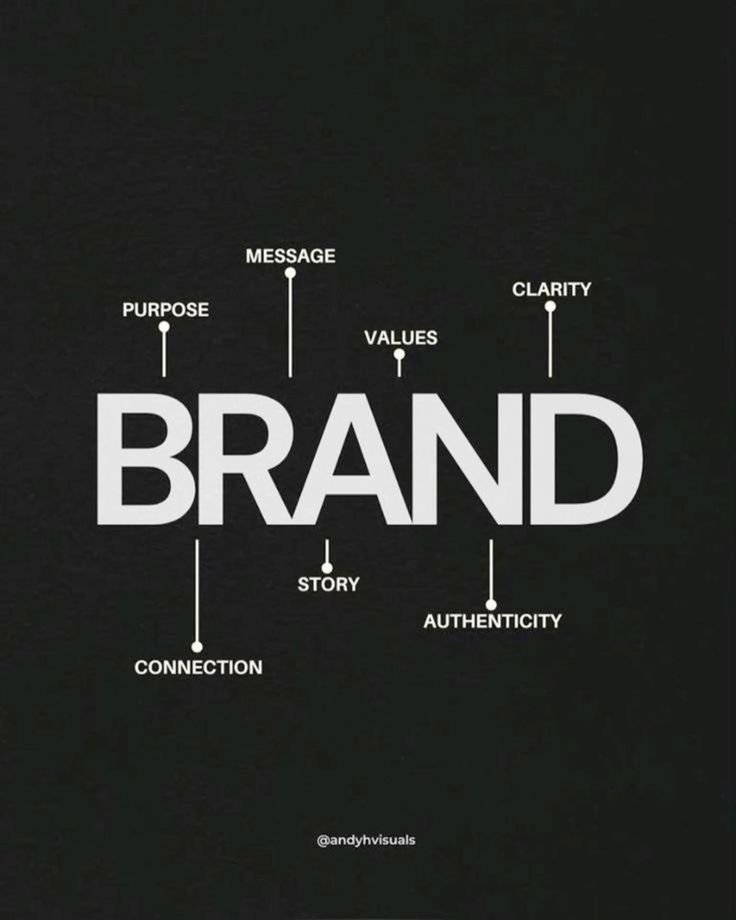
What Is Branding and Why It Matters
Branding is the process of shaping how people think, feel, and remember you or your business. It reflects your identity, values, voice, and promise to your audience.
The Core Meaning of Branding
Branding includes:
Your name and visual identity
Your message and communication style
Your reputation and audience experience
The emotions people associate with you
A strong brand answers one simple question: Why should people choose you over others?
Importance of Personal and Business Branding
Good branding helps you:
Build trust and credibility
Attract the right audience
Create emotional connection
Increase recognition and recall
Command better opportunities and pricing
Without branding, you become invisible or easily replaceable
Step 1: Define Your Brand Purpose and Vision
Before designing anything, you must understand why your brand exists.
Identify Your Purpose
Ask yourself:
Why do I want to build a brand?
What problem do I solve?
What value do I offer?
Your purpose should be clear, meaningful, and authentic.
Create a Long-Term Vision
A brand vision defines where you want to go in the future. It helps maintain direction and consistency.
Examples:
Becoming a trusted voice in your niche
Building a recognizable digital presence
Creating impact through education or service
A clear vision keeps your branding focused and sustainable.
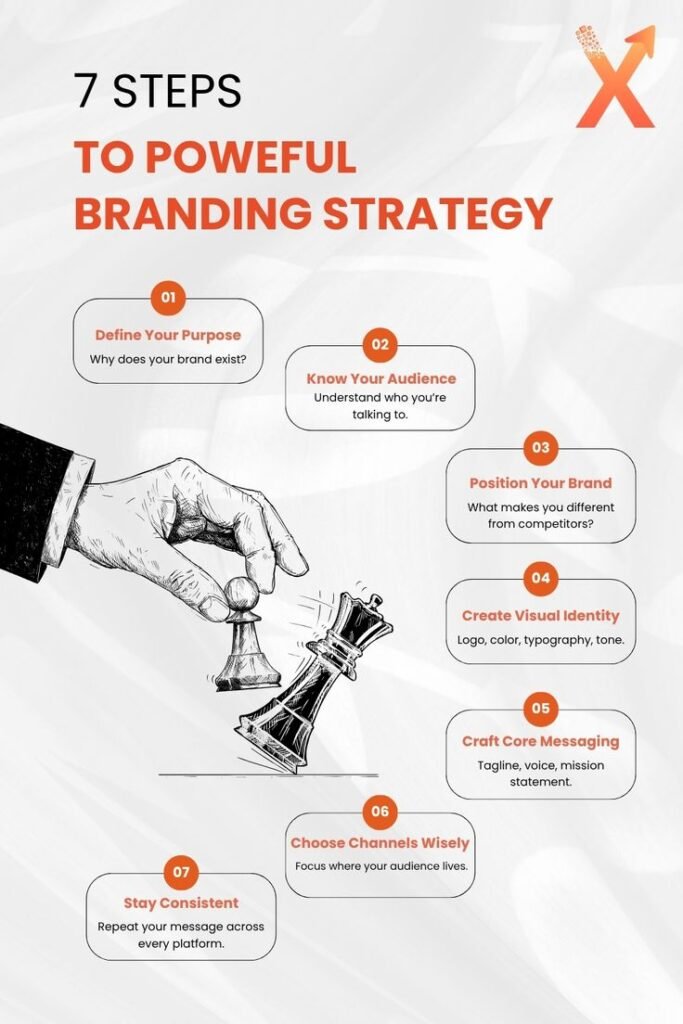
Step 2: Understand Your Target Audience
Branding is not about pleasing everyone; it is about connecting with the right people.
Define Your Ideal Audience
Identify:
Age group
Interests and goals
Problems and pain points
Online platforms they use
The more specific your audience, the stronger your brand impact.
Understand Audience Psychology
People connect with brands that:
Understand their problems
Speak their language
Share similar values
When your brand feels relatable, trust develops naturally.
Step 3: Craft Your Brand Identity
Brand identity is how your brand looks, sounds, and feels to others.
Choose a Brand Name
Your brand name should be:
Easy to remember
Easy to pronounce
Relevant to your niche
Unique and original
Avoid copying popular brands; originality builds authenticity.
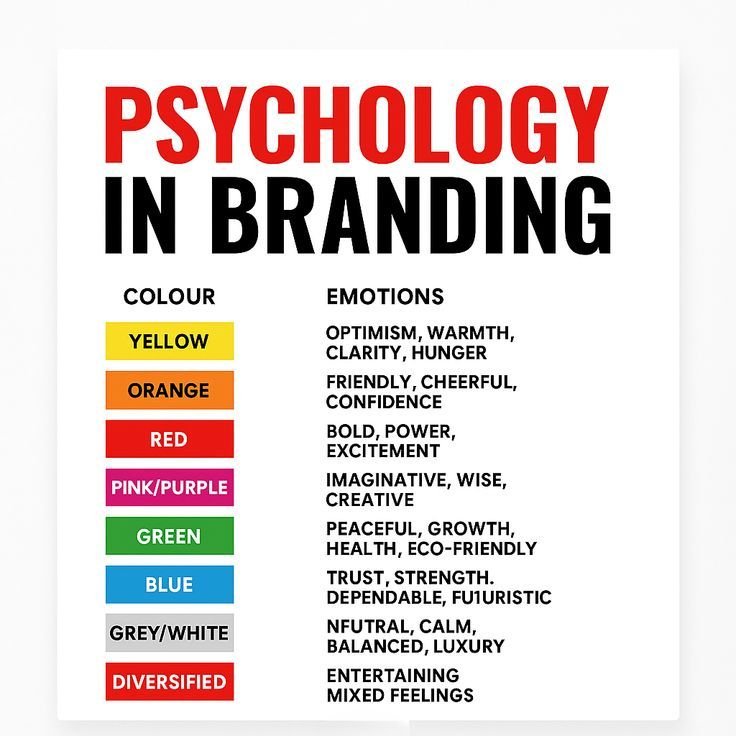
Develop Visual Elements
Visual branding includes:
Logo
Color palette
Fonts and typography
Design style
Choose colors and fonts that match your brand personality—professional, creative, bold, or minimal.
Maintain Visual Consistency
Use the same visual elements across:
Website
Social media
Business cards
Thumbnails and banners
Consistency strengthens brand recognition.
Step 4: Define Your Brand Voice and Personality
Your brand voice is how you communicate with your audience.
Decide Your Communication Style
Ask yourself:
Should my tone be formal or casual?
Friendly or authoritative?
Inspirational or informative?
Your voice should align with your audience and values.
Create a Brand Personality
Give your brand human traits such as:
Honest
Confident
Helpful
Bold
Calm
A consistent personality makes your brand relatable and memorable.
Step 5: Build a Strong Brand Message
Your brand message communicates what you stand for.
Create a Clear Value Proposition
A value proposition explains:
Who you help
How you help
Why you are different
Example structure: “I help [audience] achieve [result] through [unique approach].”
Write a Brand Story
Storytelling adds emotional depth to branding. Share:
Your journey
Challenges you faced
Lessons learned
Purpose behind your work
People remember stories more than facts.
Step 6: Establish Your Online Presence
In the digital era, branding is incomplete without an online identity.
Choose the Right Platforms
Focus on platforms where your audience spends time:
Instagram for visual branding
LinkedIn for professional branding
YouTube for authority building
Blogs for long-term visibility
Avoid spreading yourself too thin.
Create Consistent Content
Content should:
Educate
Entertain
Inspire
Solve problems
Consistency builds familiarity and trust over time.
Step 7: Build Credibility and Trust
Trust is the foundation of successful branding.
Show Expertise and Authenticity
Share:
Real experiences
Practical insights
Honest opinions
Avoid exaggeration or false claims; authenticity strengthens loyalty.
Collect Social Proof
Social proof includes:
Testimonials
Reviews
Case studies
Collaborations
Positive feedback reinforces your brand reputation.
Step 8: Stay Consistent and Patient
Branding is a long-term process, not a quick result.
Maintain Brand Consistency
Ensure alignment in:
Visuals
Messaging
Values
Tone
Inconsistency confuses audiences and weakens trust.
Evolve Without Losing Identity
As you grow, your brand may evolve, but core values should remain intact. Adapt to trends without compromising authenticity.
Common Branding Mistakes to Avoid
Copying Other Brands
Inspiration is good, copying is harmful. It reduces originality and credibility.
Ignoring Audience Feedback
Audience response helps refine branding. Listening improves relevance and connection.
Inconsistent Messaging
Mixed messages weaken brand identity and confuse your audience.
Conclusion: Build a Brand That Reflects You
Making your own branding is about clarity, consistency, and connection. A strong brand reflects who you are, what you stand for, and how you help others. It is built through purpose, strategy, communication, and patience—not overnight success.
When done correctly, branding becomes your silent ambassador, working for you even when you are not present. Start small, stay authentic, and focus on long-term value. Your brand will grow as you grow.