
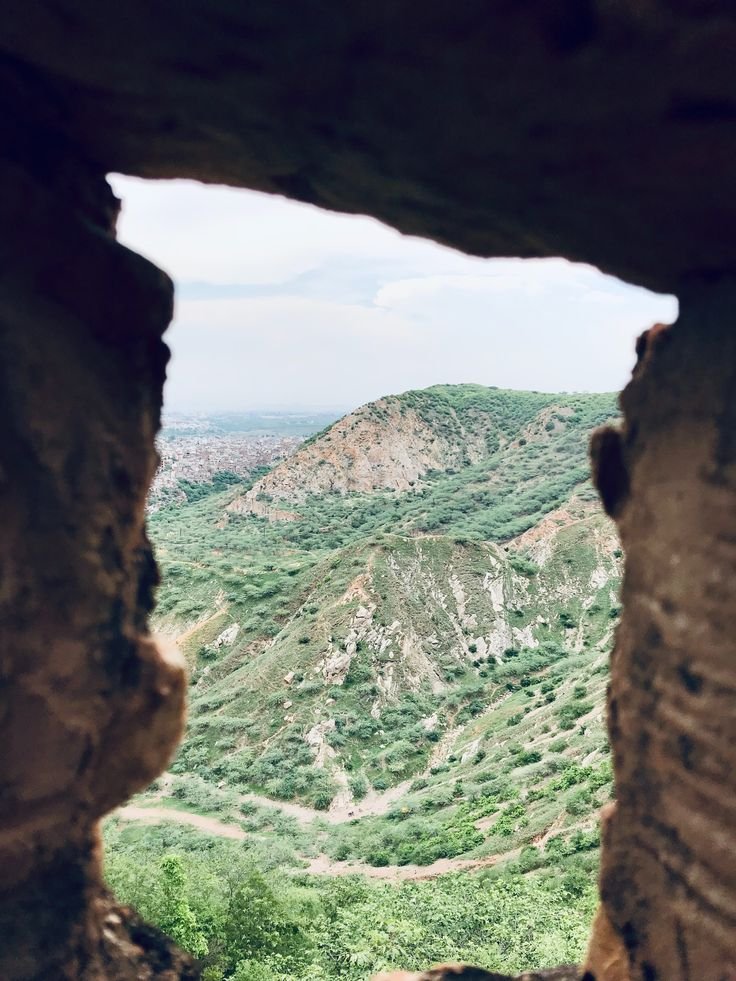
The Aravali Hills, one of the oldest mountain ranges in the world, stretch across Gujarat, Rajasthan, Haryana, and Delhi. Despite their immense ecological, historical, and economic importance, large parts of the Aravali range have faced continuous demolition, illegal mining, and encroachment. This issue is not just about hills being flattened—it is about environmental collapse, water scarcity, climate imbalance, and governance failure.
Understanding the Importance of the Aravali Hills
One of the Oldest Mountain Ranges on Earth
The Aravali range is estimated to be over 1.5 billion years old, making it older than the Himalayas. It acts as a natural geological barrier between the Thar Desert and the fertile plains of North India.https://truthfrontier.com/latest-disney-updates
Natural Shield Against Desertification
The Aravalis prevent the eastward expansion of the Thar Desert. Their degradation accelerates desertification, directly threatening agriculture and habitability in Rajasthan, Haryana, and western Uttar Pradesh.http://www.aravali hills
Why Are the Aravali Hills Being Demolished?
Illegal Mining and Quarrying
One of the biggest reasons for Aravali destruction is illegal mining of stones, quartz, marble, and other minerals. Despite bans and court orders, mining continues using loopholes, fake permissions, and weak enforcement.
Real Estate and Urban Expansion
Rapid urban growth in Delhi-NCR, Gurugram, Faridabad, and Alwar has increased land demand. Forest land and hill areas are often reclassified as “non-forest” for construction of luxury housing, farmhouses, and commercial projects.
Weak Implementation of Environmental Laws
Although multiple laws exist—such as the Environment Protection Act, Forest Conservation Act, and Supreme Court rulings—implementation on the ground remains weak due to corruption, political pressure, and lack of monitoring.
Environmental Consequences of Aravali Hills Demolition
Severe Groundwater Depletion
The Aravalis act as natural aquifers, helping rainwater percolate into the ground. Their destruction reduces groundwater recharge, worsening the water crisis in already water-stressed regions like Haryana and Rajasthan.
Rising Air Pollution Levels
With the hills gone, dust storms increase, especially in Delhi-NCR. The Aravalis function as a natural dust barrier. Their loss directly contributes to hazardous air quality and respiratory diseases.
Loss of Biodiversity
The Aravali ecosystem supports leopards, hyenas, jackals, birds, reptiles, and native plant species. Demolition destroys habitats, leading to wildlife displacement and increasing human-animal conflict.
Climate Change and Aravali Destruction
Increased Heat and Reduced Rainfall
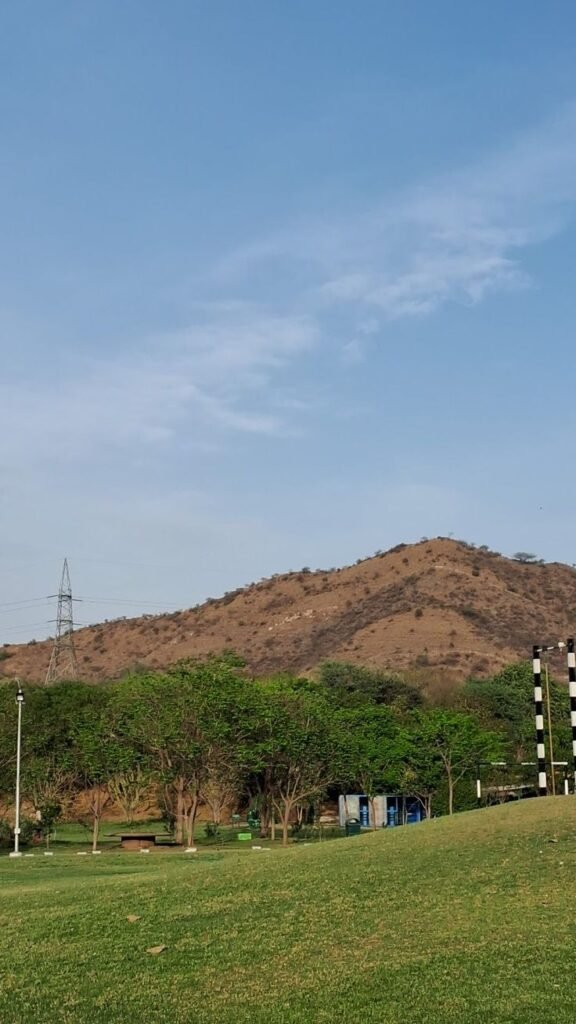
Forests in the Aravali range help regulate local climate. Deforestation and hill cutting lead to higher temperatures, irregular rainfall, and frequent drought-like conditions.
Carbon Sink Loss
The forests act as a carbon sink, absorbing CO₂. Their removal increases carbon emissions, contributing to climate change at both regional and national levels.
Social and Economic Impact
Impact on Local Communities
Tribal and rural communities depend on the Aravalis for water, grazing land, firewood, and minor forest produce. Demolition disrupts livelihoods and forces migration.
Short-Term Profit, Long-Term Loss
While mining and construction generate short-term revenue, the long-term cost includes water scarcity, health crises, loss of agriculture, and disaster vulnerability, which far outweigh economic gains.
Legal Battles and Government Response
Supreme Court Interventions
The Supreme Court has repeatedly ordered bans on mining and directed states to protect the Aravalis. However, ground-level compliance remains inconsistent.
Policy Loopholes and Reclassification
Some state governments have attempted to dilute protections by redefining forest land or excluding certain areas from conservation, weakening the original intent of environmental laws.

Why This Issue Matters to Every Indian
National Environmental Security
The Aravalis are crucial for North India’s water security and climate stability. Their loss increases vulnerability to heatwaves, floods, and droughts.
Urban Survival Depends on Them
Cities like Delhi and Gurugram indirectly depend on the Aravalis for clean air, groundwater, and temperature regulation. Destroying them is equivalent to sabotaging urban sustainability.
The Way Forward: Protection, Not Destruction
Strict Enforcement of Laws
Environmental regulations must be enforced without political interference. Illegal mining should face heavy penalties and permanent bans.
Ecological Restoration
Degraded Aravali areas need reforestation, native species plantation, and water conservation projects to revive ecological balance.
Public Awareness and Accountability
Citizen awareness, media scrutiny, and judicial oversight are essential to hold authorities accountable and prevent further damage.
Conclusion: Aravali Hills Are Not Disposable Land
The demolition of the Aravali Hills is not just an environmental issue—it is a civilizational crisis. Destroying a natural system that took billions of years to form for short-term economic gain reflects policy shortsightedness and ecological neglect. Protecting the Aravalis is not optional; it is essential for India’s environmental survival, public health, and future generations.
Ignoring this destruction today will ensure that tomorrow’s India pays the price in water scarcity, extreme climate, and irreversible ecological loss.