
The long-awaited release of the Jeffrey Epstein files has arrived on December 19, 2025, following years of legal battles, political pressure, and public demand for transparency. For the first time, government-held records relating to the late financier and convicted sex offender Jeffrey Epstein — along with materials tied to his associate Ghislaine Maxwell — are being published in large volumes, with implications for survivors, researchers, and the general public.
This article explains the background, content, controversies, and what has been released so far. key developments are based on major news reporting and congressional information.

Background: Why the Epstein Files Are Being Released
In November 2025, the United States Congress passed the Epstein Files Transparency Act, a bipartisan law requiring the Department of Justice (DOJ) to release all unclassified documents and records related to Jeffrey Epstein and his investigations within 30 days of enactment. The law was signed by President Donald Trump and took effect immediately, creating a deadline of December 19, 2025 for public release.http://www.jeffryepstien.com
Before this law, many investigative files — including court records, FBI reports, grand jury transcripts, flight logs, financial documents, photographs, and correspondence — were tightly controlled under grand jury secrecy rules or classified protections.
In the months leading up to the deadline, federal courts also ordered the unsealing of certain grand jury materials, further clearing the legal path for disclosure.http://www.truthfrontier.com
What Has Been Released on December 19, 2025
- Justice Department Records
On December 19, 2025, the DOJ began releasing a massive trove of documents in compliance with the law. The release includes:
Internal investigative files and memoranda
FBI interview reports and witness statements
Transcripts of grand jury proceedings
Epstein and Maxwell case materials
Flight logs and travel records
Financial ledgers and transaction histories
While exact totals are still being compiled, these records run into tens of thousands of pages and are being made available in a searchable, downloadable digital format.

Importantly, the law allows redaction of any details that could identify victims, jeopardize ongoing investigations, or compromise privacy. That means some personal information — especially involving minors or survivors — has been blacked out to protect individuals.
- Photos from Epstein’s Estate Released by House Democrats
While the DOJ files began dropping on December 19, House Democrats independently released a collection of new photographs obtained from Epstein’s estate ahead of the deadline. These releases occurred on the eve of the official file launch and a large batch on December 19 itself.
The photos include:
68 new images showing Epstein in various contexts, some with women whose identities are redacted.
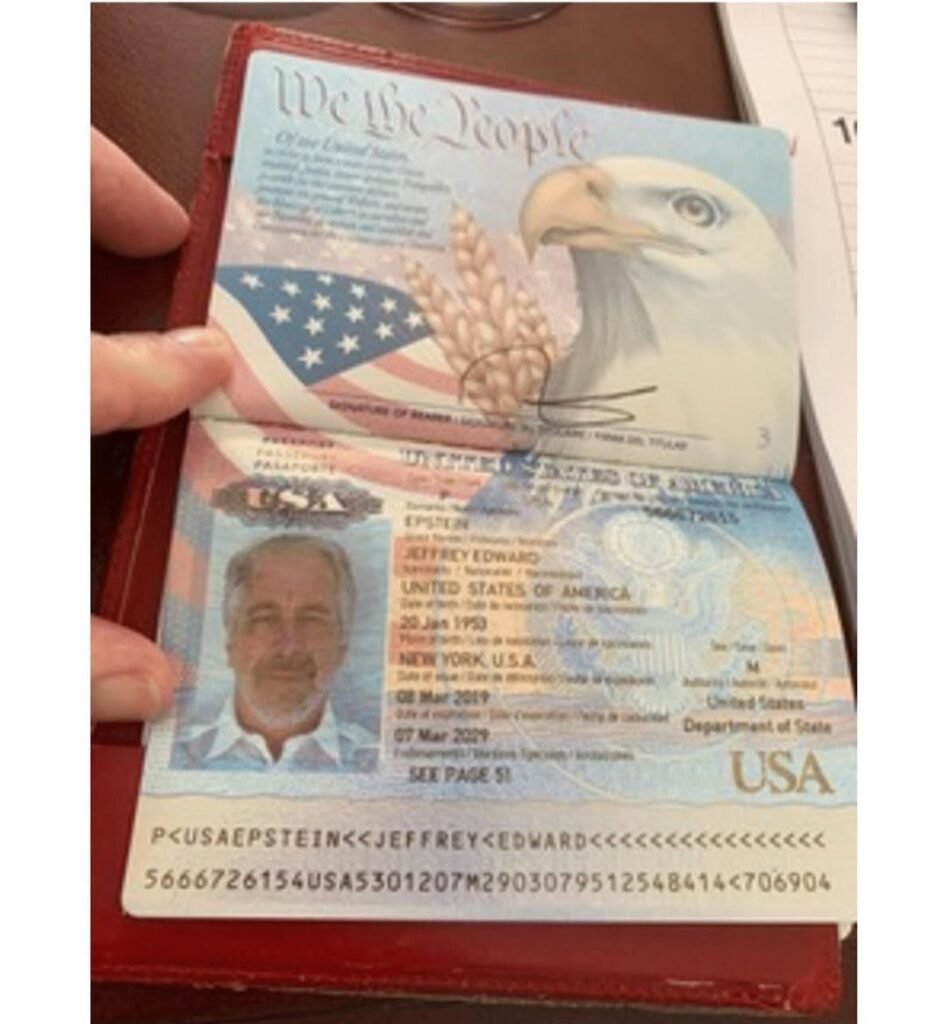
Photos capturing handwritten text, identification cards, passports from multiple countries, and scribbled passages from Lolita on a woman’s body.
Images depicting Epstein with prominent public figures including business leaders and political figures.
Democrats say this independent release increases public transparency; Republicans contended that some disclosures were selective.

Contents and Themes Within the Files
Epstein’s Network and Associations
One of the most striking elements of the released material involves the network of Epstein’s contacts and social circles. Records include:
Flight logs documenting Epstein’s private jet travel with various passengers over many years.
Financial account information showing complex financial arrangements.
Lists of attendees and guests at Epstein-linked properties and events.
Although the presence of an individual’s name or photograph does not imply criminal conduct, the records illuminate the breadth of Epstein’s connections and interactions.
Investigative and Legal Materials
The files also contain extensive investigatory material that had previously not been public, including:
FBI reports and internal Justice Department evaluations
Search warrant returns and evidence inventories
Notes and memos summarizing interviews with witnesses
These documents provide unprecedented public access to how the government processed the Epstein and Maxwell cases over many years.
Controversy and Redaction Debate
Redactions by the Justice Department
The DOJ has worked intensively to review and redact sensitive information. According to reporting, attorneys were handling thousands of documents per day to meet the deadline, amid internal pressure and complex guidelines.
Critics argue the redactions are sometimes too broad and might obscure key details, while defenders maintain privacy protections — particularly for survivors — are essential.

Political Disputes and Transparency Concerns
The release has intensified ongoing political debate in the U.S.:
Some lawmakers — particularly Democrats — accused the DOJ of slow-walking disclosures or selectively redacting information that could embarrass political allies.
Others defend the transparency efforts and argue that legal protections for victims require careful redaction.
This tension reflects broader disputes about government transparency, prosecutorial independence, and accountability.
Reactions From Survivors and the Public
Victims’ advocates have expressed mixed reactions:
Many survivors welcomed the release as a necessary step toward understanding the magnitude of Epstein’s abuse network.
Others expressed frustration that some material remains redacted or delayed due to privacy or legal protections.
Advocates for survivors emphasize that full accountability means not only disclosure but also ensuring that victims’ identities and dignity are protected.
What Happens Next?
Further Releases and Summaries
Under the transparency law, after the initial public release:
The DOJ must provide a summary of redactions.
It must publish a list of government officials and politically exposed persons named in the files.
Ongoing disclosures are expected as unredacted sections become permissible over time.
Why This Matters
The release of the Epstein files on December 19, 2025 marks a watershed moment in one of the most controversial and closely followed investigations of the past decade. It provides:
A deeper look into the scale of Epstein’s operations.
Public access to previously shielded government records.
A testing ground for how transparency laws and privacy protections intersect.
Whether the documents will lead to new investigations, lawsuits, or policy changes remains uncertain, but the release itself represents an unprecedented level of disclosure in a high-profile federal investigation.

Conclusion
The December 19 release of the Jeffrey Epstein files represents a major milestone in public access to government records on criminal investigations involving powerful figures. While massive in scope, the release also highlights ongoing debates over privacy, transparency, and political influence.
The files contain a mix of photographs, investigative reports, court materials, financial records, and flight logs — with careful redactions to protect victims. As the public digests this material, the implications are likely to unfold over months and years, influencing legal cases, journalism, and public discourse on accountability and public trust.