Bangladesh is passing through one of the most sensitive and defining moments in its recent history. Political instability, social unrest, economic pressure, and rising security concerns have combined to create a complex national situation that continues to evolve daily. As the country approaches a critical election cycle, the actions taken now by leaders, institutions, and citizens will shape Bangladesh’s future for years to come.
Political Background: How Bangladesh Reached This Moment
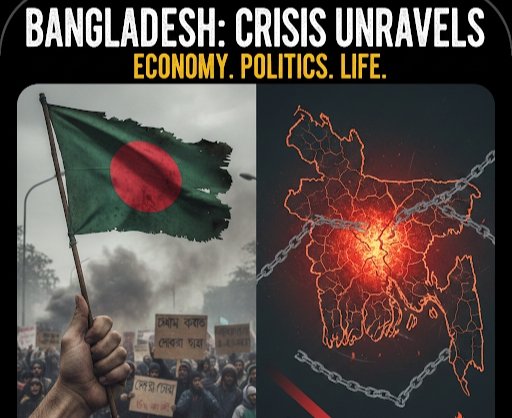
The roots of the present instability lie in the dramatic political changes that began in mid-2024. A wave of mass protests—initially led by students and youth groups—grew into a nationwide movement demanding political reform, accountability, and leadership change. These demonstrations ultimately led to the removal of the long-standing government and the formation of an interim administration.
The transitional government was tasked with restoring stability, rebuilding public trust, and preparing the country for fresh national elections. While some institutional reforms were initiated, the political environment remained tense, with unresolved grievances, fragmented political alliances, and deep polarization among citizens.http://www.abpnews.com
By late 2025, these unresolved tensions have resurfaced with renewed intensity.
The Immediate Flashpoint: Killing of a Youth Leader
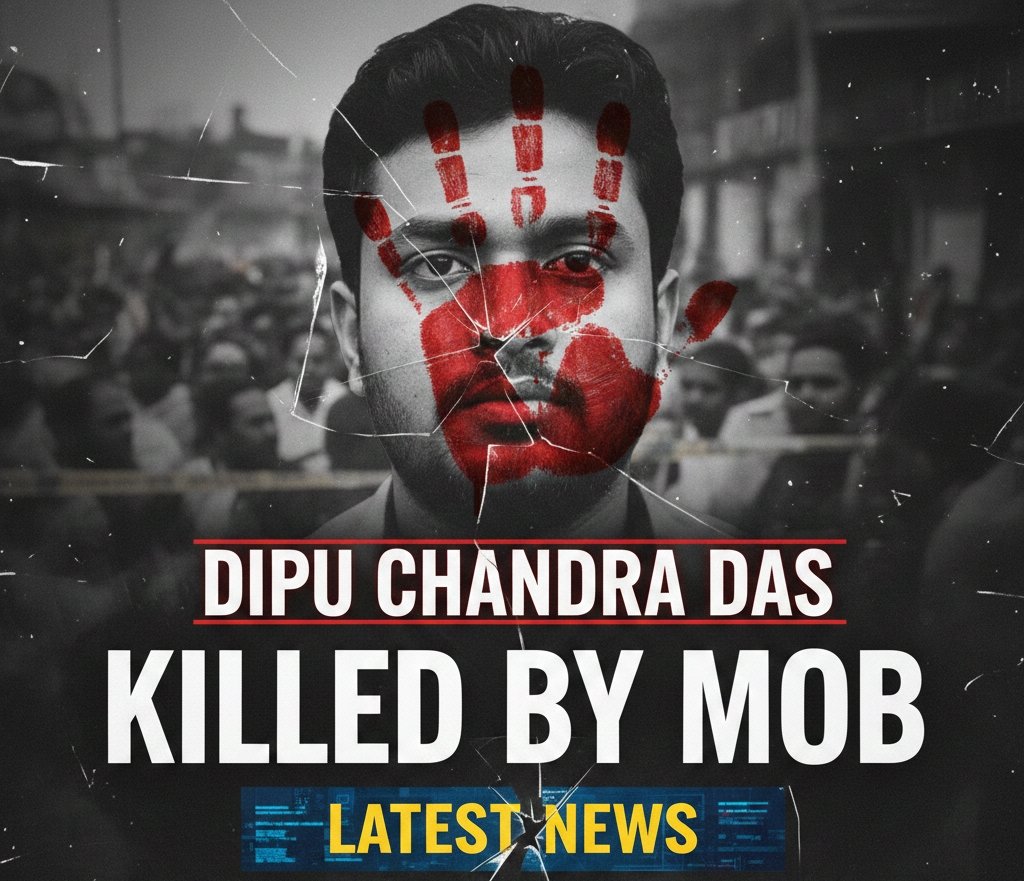
The most significant recent trigger for nationwide unrest has been the killing of a prominent youth political figure who played a visible role in earlier reform movements. His death, following a targeted attack in the capital, shocked the nation and sparked widespread outrage.
Large crowds gathered in major cities to mourn and protest, transforming grief into political mobilization. The incident intensified existing mistrust toward state institutions, especially regarding law enforcement and political accountability. Many citizens demanded transparent investigations and justice, while others accused rival political forces of exploiting the situation for influence.
The government declared a period of national mourning, but public anger continued to grow.http://www.truthfrontier.com
Nationwide Protests and Urban Unrest
Following the killing, demonstrations spread across Dhaka and other major urban centers. Protesters blocked roads, gathered near government buildings, and organized candlelight marches and rallies. In several cases, protests escalated into clashes between demonstrators and security forces.
There were reports of property damage, arson, and vandalism, including attacks on media offices accused of political bias. Authorities responded by increasing police presence, deploying paramilitary units, and imposing temporary restrictions in sensitive areas.
While officials stated that these measures were necessary to maintain order, civil society groups raised concerns about excessive force and shrinking space for peaceful dissent.
Rising Communal Tensions and Social Anxiety
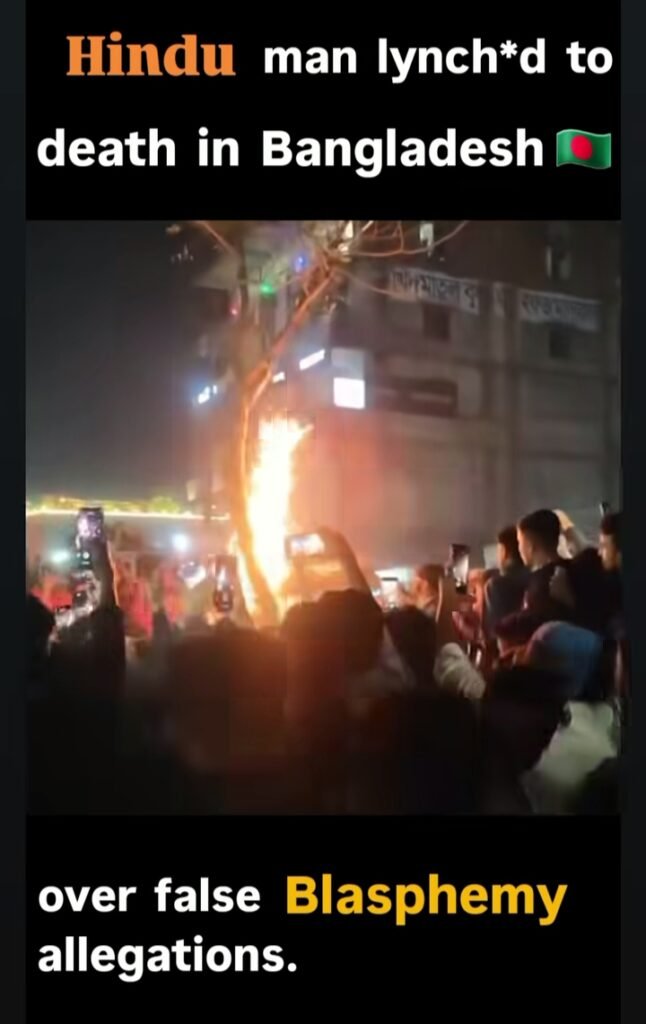
Alongside political unrest, Bangladesh has witnessed disturbing signs of communal tension. A violent incident involving the killing of a minority community member in a northern district drew national and international attention. The brutality of the act triggered widespread condemnation and renewed fears about minority safety.
The incident sparked protests both inside Bangladesh and across borders, highlighting how internal tensions can have regional consequences. Community leaders urged calm, while rights organizations demanded stronger protections and faster justice.
These events have deepened social anxiety and exposed vulnerabilities in community relations during periods of political uncertainty.
Law and Order: Security Measures and Public Response
To control the situation, authorities increased security deployments across key locations. Checkpoints, patrols, and surveillance were intensified, especially in the capital and politically sensitive districts. Several arrests were made in connection with violence, vandalism, and incitement.
The government emphasized that maintaining stability was essential ahead of upcoming elections. However, critics argued that security-first responses without political dialogue could worsen alienation and mistrust among citizens.
Balancing public safety with democratic freedoms remains one of the government’s most difficult challenges.
The Upcoming Elections: High Stakes for Democracy
Bangladesh is preparing for national elections scheduled for early 2026. These elections are widely seen as a turning point that could either stabilize the country or deepen divisions.
The political landscape is highly fragmented. Traditional parties have weakened, new alliances are forming, and youth-led movements are attempting to convert street influence into electoral power. Questions remain about electoral fairness, candidate safety, and the ability of institutions to manage the process without interference.
Public confidence in the election will depend heavily on transparency, security, and inclusivity.
Economic Pressures Adding to Public Frustration
Economic stress has significantly amplified public dissatisfaction. Inflation remains high, particularly for food and essential goods. Many households are struggling with rising living costs, stagnant wages, and uncertain employment prospects.
Key sectors such as manufacturing and exports have faced disruptions due to political instability and reduced investor confidence. While infrastructure projects and foreign investment talks continue, their benefits have yet to reach ordinary citizens.
Economic hardship has made the population more sensitive to political shocks, turning isolated incidents into broader movements.
Media, Misinformation, and the Digital Battlefield
Social media plays a powerful role in shaping public perception. Platforms have become tools for mobilization, information sharing, and political messaging. At the same time, misinformation and emotionally charged narratives have spread rapidly, often escalating tensions.
Journalists have reported increased pressure, threats, and attacks, raising concerns about press freedom. Media organizations are caught between reporting events accurately and navigating political hostility from multiple sides.
The information environment remains highly polarized and volatile.
Human Rights and Civil Liberties Concerns
Rights advocates have expressed alarm over the growing number of arrests, restrictions on assembly, and allegations of excessive force. Calls have been made for independent investigations into violent incidents and for safeguards to protect peaceful protesters.
International observers continue to monitor developments closely, urging all parties to respect human rights, due process, and democratic norms during this sensitive period.
Regional and International Implications
Bangladesh’s internal situation has broader regional significance. Neighboring countries are closely watching developments due to trade links, border security, migration, and diplomatic relationships.
Any prolonged instability could affect regional cooperation, economic integration, and strategic balance in South Asia. As a result, diplomatic engagement and quiet pressure from international partners have increased.
Life for Ordinary Citizens Amid Uncertainty
For everyday Bangladeshis, the situation creates uncertainty and stress. Schools, businesses, and transport services have faced disruptions during protest days. Families worry about safety, income stability, and the future of their children.
Despite these challenges, civic engagement remains strong. Many citizens continue to demand peaceful reform, accountability, and a return to stability through democratic means.
What Lies Ahead for Bangladesh
The months ahead will be decisive. Much depends on how authorities handle investigations, protests, and election preparations. Dialogue, restraint, and transparency could help de-escalate tensions, while heavy-handed approaches risk further unrest.
Bangladesh has demonstrated resilience in the past. Whether it can navigate this period without long-term damage will depend on leadership, institutions, and the collective will of its people.

Conclusion
Bangladesh stands at a historic crossroads. Political upheaval, social tension, and economic strain have converged to test the nation’s democratic foundations. The outcome of this period will shape not only the next government but the broader direction of the country’s democracy and social cohesion.
As the nation moves toward elections, the need for calm, accountability, and inclusive dialogue has never been greater.