
Guru Ram Das Ji, the Fourth Guru of Sikhism, holds a unique and sacred position in Sikh history. Revered for his humility, spiritual depth, and visionary leadership, Guru Ram Das Ji laid the foundation of Sikh social, spiritual, and cultural life in ways that continue to shape the Sikh Panth today. He is especially remembered as the founder of Amritsar, the holiest city of Sikhism, and as the composer of divine hymns included in the Guru Granth Sahib.
Born into modest circumstances and rising through devotion and selfless service, Guru Ram Das Ji’s life is a shining example of how spiritual greatness is achieved through humility, love, and seva (selfless service).
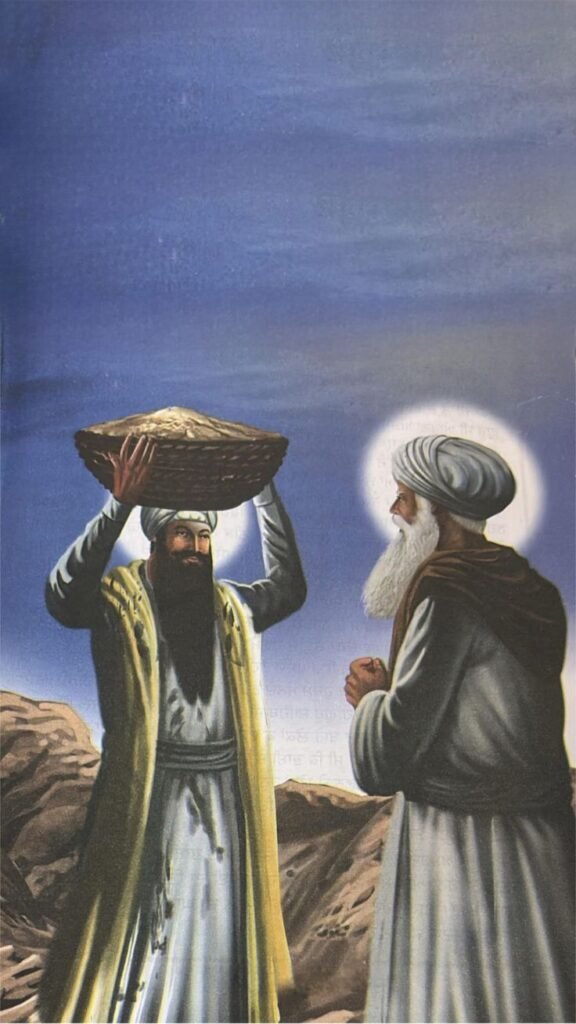
Birth and Early Life of Guru Ram Das Ji
Guru Ram Das Ji was born on 24 September 1534 in Lahore (now in Pakistan). His birth name was Jetha. He was born into a simple Sodhi Khatri family. Tragically, he lost his parents at a young age and grew up under difficult circumstances, which shaped his compassionate nature and deep empathy for the suffering of others.http://www.sgpc.com
From childhood, Bhai Jetha displayed qualities of honesty, devotion, and kindness. He earned his living by selling boiled grains, often sharing his food freely with the needy. His early life taught him the values of humility, service, and spiritual discipline that later defined his Guruship.http://www.truthfrontier.com
Meeting Guru Amar Das Ji and Path to Guruship
The turning point in Bhai Jetha’s life came when he met Guru Amar Das Ji, the Third Sikh Guru. Deeply inspired by Guru Amar Das Ji’s teachings, Bhai Jetha dedicated himself completely to the Guru’s service. His seva was tireless, sincere, and free from ego.
Guru Amar Das Ji recognized Bhai Jetha’s spiritual maturity and devotion. He married his daughter Bibi Bhani Ji to Bhai Jetha, strengthening their spiritual bond. Through years of selfless service, Bhai Jetha proved himself worthy of leadership.
In 1574, Guru Amar Das Ji appointed Bhai Jetha as his successor, bestowing upon him the name Guru Ram Das Ji, making him the Fourth Guru of Sikhism.
Guruship of Guru Ram Das Ji
Guru Ram Das Ji served as the Sikh Guru from 1574 to 1581. Though his Guruship lasted only seven years, it was a period of profound spiritual and institutional development for Sikhism.
His leadership was marked by compassion, inclusiveness, and a deep focus on spiritual devotion through Naam Simran (meditation on God’s Name). He emphasized humility, honest living, and service as the true path to God.

Foundation of Amritsar – The Sacred City
One of the greatest contributions of Guru Ram Das Ji was the founding of Amritsar. He purchased land and began the development of a new town called Ramdaspur, which later became Amritsar.
The city was designed as a spiritual and social center open to people of all castes, religions, and backgrounds. This inclusive vision reflected the core Sikh belief in equality and universal brotherhood. Amritsar later became the site of Harmandir Sahib (Golden Temple), completed by Guru Arjan Dev Ji.
Development of Sikh Institutions
Guru Ram Das Ji strengthened Sikh institutions started by earlier Gurus. He promoted:
Langar (community kitchen) for equality
Sangat (holy congregation) for spiritual growth
Seva as a way of life
He encouraged Sikhs to settle around Ramdaspur, creating a strong, self-sustaining community based on shared spiritual values.
Spiritual Teachings and Philosophy
Guru Ram Das Ji taught that God is accessible through love, humility, and remembrance of the Divine Name. He rejected rituals, caste discrimination, and empty formalism.
His teachings emphasized:
Devotion through Naam Simran
Detachment from ego and material pride
Love and compassion for all humanity
Balance between spiritual and worldly life
Guru Ram Das Ji’s message was deeply practical, guiding householders to live spiritually while fulfilling social responsibilities.
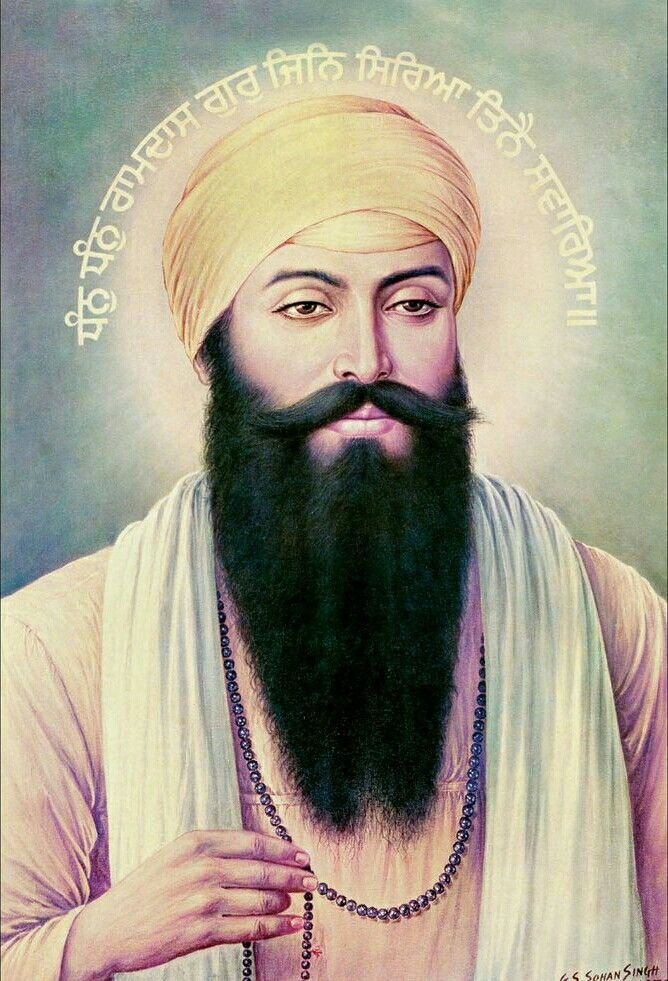
Contribution to Guru Granth Sahib
Guru Ram Das Ji composed 638 hymns, which are included in the Guru Granth Sahib. These hymns are filled with devotion, longing for the Divine, and deep spiritual insight.
His compositions are written in various ragas and focus on surrender to God’s will, the Guru’s grace, and the power of divine love. His bani remains central to Sikh worship today.
The Sacred Laavan and Anand Karaj
Guru Ram Das Ji introduced the Laavan, the four sacred hymns recited during the Sikh marriage ceremony known as Anand Karaj. These hymns describe the spiritual journey of marriage, where the couple progresses together toward union with God.
The Laavan elevated marriage from a social contract to a spiritual partnership, emphasizing mutual respect, devotion, and shared spiritual growth.
Equality, Humility, and Social Reform
Guru Ram Das Ji strongly upheld the Sikh principles of equality and social justice. He welcomed people from all castes and religions into the Sikh fold. Women were given respect and spiritual dignity, and social hierarchies were rejected.
Despite being the Guru, Guru Ram Das Ji lived a life of simplicity and humility. He personally participated in seva, setting an example for the entire Sikh community.
Family and Succession
Guru Ram Das Ji had three sons: Prithi Chand, Mahadev, and Arjan Dev. Recognizing spiritual wisdom rather than birth order, he appointed Guru Arjan Dev Ji as his successor.
This decision ensured the continuity of Sikh spiritual values and led to the compilation of the Adi Granth, later known as Guru Granth Sahib.
Jyoti Jot (Passing of Guru Ram Das Ji)
Guru Ram Das Ji left his physical body in 1581 at the age of 46. His Jyoti Jot took place in Ramdaspur (Amritsar). Though his earthly life was brief, his spiritual legacy is eternal.
Legacy and Eternal Influence
Guru Ram Das Ji’s impact on Sikhism is immeasurable. As the founder of Amritsar, the composer of divine bani, and the architect of Sikh marriage traditions, his contributions continue to guide millions.
He is remembered as the embodiment of humility, devotion, and divine love. Sikhs around the world bow before his teachings and seek inspiration from his life.

Conclusion – Guru Ram Das Ji, A Beacon of Divine Love
Guru Ram Das Ji, the Fourth Sikh Guru, transformed Sikhism through his vision, humility, and spiritual wisdom. His life teaches that true greatness lies in service, love, and surrender to the Divine.
From the founding of Amritsar to the sacred hymns of the Guru Granth Sahib, Guru Ram Das Ji’s legacy remains alive in every Sikh heart. His message of unity, equality, and devotion continues to illuminate the spiritual path for humanity.