
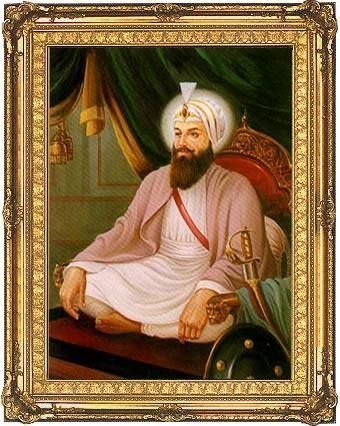
Guru Har Rai Ji was the seventh Guru of Sikhism, a spiritual leader remembered for his gentleness, compassion, environmental awareness, and commitment to peace. Born into a period of political tension during the Mughal era, Guru Har Rai Ji balanced spiritual leadership with moral strength, guiding Sikhs through devotion, service, and humility. His life demonstrated that true power lies in kindness, discipline, and care for all living beings.
Early Life and Family Background Birth and Lineage
Guru Har Rai Ji was born on 16 January 1630 at Kiratpur Sahib (present-day Punjab). His birth name was Har Rai. He was the grandson of Guru Hargobind Sahib Ji, the sixth Sikh Guru, who had established the concept of Miri-Piri, the balance of spiritual and temporal authority.http://www.truthfrontier.com
Childhood and Values
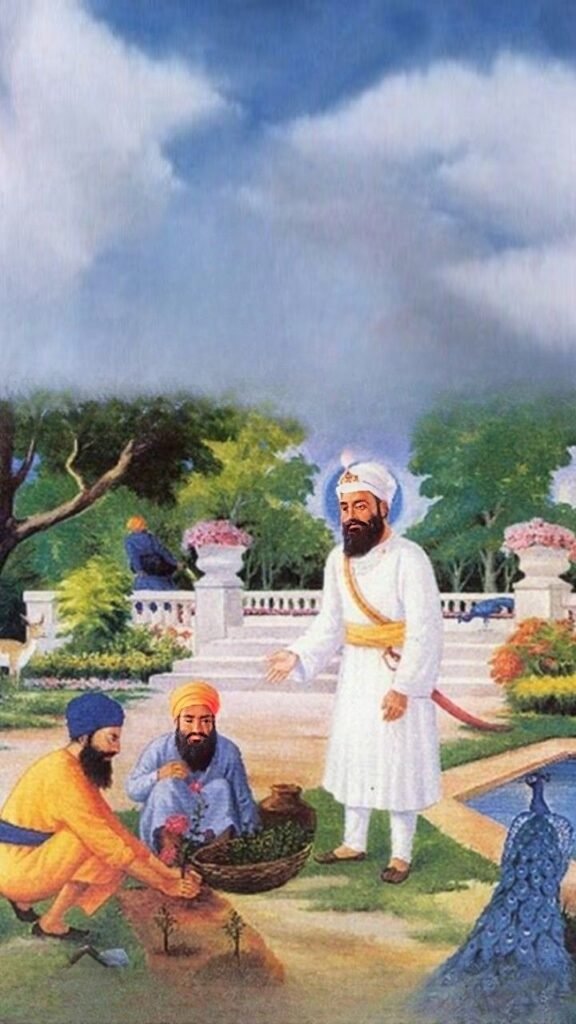
From a very young age, Guru Har Rai Ji showed a deep sense of compassion. One famous incident from his childhood describes how he felt immense sorrow after accidentally damaging flowers in a garden. This event shaped his lifelong belief in non-violence, respect for nature, and mindfulness in action.http://www.sgpc.com
Becoming the Seventh Sikh Guru Appointment as Guru
Guru Har Rai Ji became the seventh Sikh Guru in 1644, at the young age of 14, after the passing of Guru Hargobind Sahib Ji. Despite his youth, he proved to be a wise and capable leader, guiding the Sikh community with calm strength.
Spiritual Leadership
He emphasized Naam Simran (meditation on God’s name), self-discipline, and moral living. Guru Har Rai Ji continued the Sikh tradition of Langar (community kitchen), ensuring food was served to all people regardless of caste, religion, or social status.
Guru Har Rai Ji and Compassion for Nature Love for the Environment
Guru Har Rai Ji is especially remembered for his deep love for nature. He maintained large gardens filled with herbs, flowers, and trees. He taught Sikhs to protect the environment, treat animals kindly, and live in harmony with nature.
Message of Responsibility
He believed that harming nature was equal to harming humanity. His teachings remain relevant today, promoting environmental responsibility and sustainable living long before these ideas became global concerns.
Contribution to Medicine and Healing Herbal Knowledge
Guru Har Rai Ji possessed extensive knowledge of herbal medicine. His gardens were used to prepare natural remedies, which helped many people recover from illness.
Helping Mughal Royalty
According to historical accounts, Guru Har Rai Ji sent medicinal herbs to help treat Emperor Shah Jahan, who was seriously ill. This act demonstrated that the Guru’s compassion extended even to political rulers, regardless of past conflicts with the Sikh community.
Relationship with the Mughal Empire Support for Dara Shikoh
Guru Har Rai Ji supported Dara Shikoh, the liberal-minded son of Shah Jahan, who respected different religions. Dara Shikoh was influenced by Sikh and Hindu spiritual traditions, and Guru Har Rai Ji offered him help during political struggles.
Maintaining Peace
Although Guru Har Rai Ji maintained an armed force for defense, he avoided unnecessary conflict. His leadership focused on peace, diplomacy, and moral courage, not aggression.
Sikh Military Tradition Under Guru Har Rai Ji
Defensive Preparedness
Guru Har Rai Ji kept a trained Sikh force of thousands of soldiers. However, this army was maintained strictly for protection, not conquest.
Balance of Strength and Mercy
He taught Sikhs that strength must be guided by ethics. Violence, according to him, should only be used as a last resort to defend righteousness and justice.
Religious Teachings and Philosophy Core Teachings
Guru Har Rai Ji emphasized:
Faith in One Universal God
Compassion toward all living beings
Honest living and service to humanity
Humility and self-control
Respect for Gurbani
He upheld the teachings of the earlier Gurus and encouraged Sikhs to live according to Gurbani, the sacred Sikh hymns that guide spiritual life.
Guru Har Rai Ji and Sikh Institutions Strengthening Sikh Centers
He strengthened Sikh preaching centers (manjis) across different regions, ensuring Sikh teachings reached far and wide.
Unity of the Panth
Guru Har Rai Ji worked tirelessly to maintain unity within the Sikh community, discouraging internal divisions and false claims to Guruship.
Passing of Guruship Choosing the Next Guru
Before leaving the physical world, Guru Har Rai Ji appointed his younger son Guru Har Krishan Ji as the eighth Sikh Guru.
Jyoti Jot
Guru Har Rai Ji left this world on 6 October 1661 at Kiratpur Sahib. Sikhs remember this moment as Jyoti Jot, meaning the merging of the Guru’s light with the divine.
Legacy of Guru Har Rai Ji Spiritual Impact
Guru Har Rai Ji’s legacy lives on through his message of peace, kindness, and environmental care. His life proves that spiritual leadership does not require harshness, but wisdom, patience, and love.
Relevance in Modern Times
In today’s world of conflict and environmental crisis, Guru Har Rai Ji’s teachings offer guidance on peaceful coexistence, ecological balance, and compassionate living.
Conclusion
Guru Har Rai Ji, the seventh Guru of Sikhism, stands as a symbol of gentle strength and spiritual discipline. Through his commitment to nature, healing, and harmony, he guided Sikhs during challenging times without abandoning the values of peace and service. His life remains an enduring inspiration, reminding humanity that true leadership flows from compassion and righteousness.