
Guru Har Krishan Ji, the Eighth Guru of Sikhism, holds a unique and deeply respected place in Sikh history. Despite becoming Guru at a very young age, his short life left an everlasting spiritual impact on Sikh philosophy and humanitarian service. Known as “Bal Guru” (the Child Guru), Guru Har Krishan Ji embodied humility, compassion, and selfless service, proving that spiritual wisdom is not bound by age. His life story continues to inspire Sikhs and humanity with lessons of equality, kindness, and unwavering faith in Waheguru.
The Eighth Guru of Sikhism and the Symbol of Innocence, Compassion, and Divine Wisdom
Early Life and Birth of Guru Har Krishan Ji
Guru Har Krishan Ji was born on 7 July 1656 in Kiratpur Sahib, located in present-day Punjab. He was the younger son of Guru Har Rai Ji, the Seventh Sikh Guru, and Mata Krishan Kaur Ji (also known as Mata Sulakhni Ji). From early childhood, Guru Har Krishan Ji showed signs of extraordinary spiritual depth, calmness, and compassion.
Even as a child, he spent time listening to Gurbani, serving others, and living a http://www.truthfrontier.comdisciplined life. His gentle nature and radiant presence impressed Sikhs who believed that divine wisdom flowed naturally through him. His upbringing took place in a spiritually rich environment, guided by the teachings of Guru Nanak Dev Ji and the line of Sikh Gurus before him.http://www.sgpc.com
Appointment as the Eighth Sikh Guru
In 1661, Guru Har Rai Ji formally installed Guru Har Krishan Ji as the Eighth Guru of the Sikhs at the age of just five years. This decision surprised many due to his tender age, but Guru Har Rai Ji emphasized that spiritual authority comes from divine grace, not age or physical strength.
Guru Har Rai Ji instructed Sikhs to accept Guru Har Krishan Ji wholeheartedly and follow his guidance with devotion. Soon after, Guru Har Rai Ji passed away, and the responsibility of Guruship rested on the young Guru’s shoulders. Despite doubts from outsiders, Guru Har Krishan Ji demonstrated wisdom, humility, and composure beyond his years.
Opposition and Mughal Attention
During this period, the Mughal emperor Aurangzeb ruled India. He sought to interfere in Sikh affairs and questioned the legitimacy of Guru Har Krishan Ji due to his young age. Aurangzeb summoned the Guru to Delhi to test his spiritual authority.
Guru Har Krishan Ji traveled to Delhi under the guidance of Raja Jai Singh of Amber. Along the way, he met Sikhs and common people, blessing them and spreading messages of peace, humility, and devotion to God. His calm demeanor and spiritual aura deeply impressed those who encountered him.
Meeting Scholars and Demonstration of Divine Wisdom
In Delhi, critics attempted to challenge Guru Har Krishan Ji by asking him to interpret complex religious texts. Instead of engaging in debate, the Guru asked a humble, illiterate water carrier named Chhajju Ram to explain verses of the Bhagavad Gita. To everyone’s astonishment, Chhajju Ram spoke with profound clarity and wisdom, revealing the Guru’s divine power.
This moment silenced critics and reinforced the Sikh belief that true knowledge flows through humility and God’s grace, not scholarly pride. Guru Har Krishan Ji taught that ego is the greatest barrier to spiritual realization.
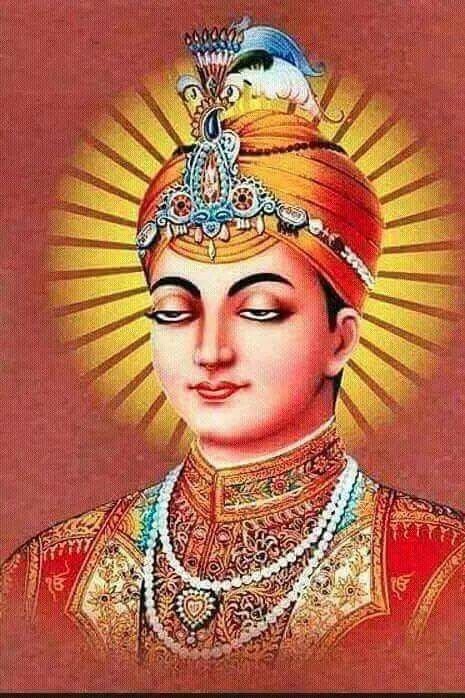
Service During the Smallpox Epidemic in Delhi
One of the most significant chapters of Guru Har Krishan Ji’s life occurred during a devastating smallpox and cholera epidemic in Delhi. While fear spread across the city, Guru Har Krishan Ji devoted himself to serving the sick and suffering.
He comforted patients, offered prayers, and provided spiritual strength to families affected by disease. It is believed that many people recovered after receiving his blessings and water touched by him. His actions reflected the Sikh principle of “Sarbat da Bhala”—welfare of all humanity.
Sacrifice and Compassion Beyond Self
During this service, Guru Har Krishan Ji himself contracted smallpox. Despite his worsening condition, he remained focused on prayer and compassion for others. His selfless service stands as a powerful example of Sikh values—placing humanity above personal safety.
Even in illness, his presence brought peace and hope to the suffering masses. Sikhs regard this sacrifice as one of the purest demonstrations of Gurmat philosophy.
Jyoti Jot (Passing Away) of Guru Har Krishan Ji
Guru Har Krishan Ji attained Jyoti Jot (merged with the Divine Light) on 30 March 1664 in Delhi, at the age of only seven years. Before his passing, when Sikhs asked about his successor, he uttered the words “Baba Bakale”, pointing toward the village of Bakala.
These words later guided Sikhs to Guru Tegh Bahadur Ji, who became the Ninth Sikh Guru. Guru Har Krishan Ji’s final message reflected humility, clarity, and divine foresight.
Gurdwara Bangla Sahib – Sacred Legacy
The site where Guru Har Krishan Ji stayed and served during the epidemic is today known as Gurdwara Bangla Sahib in Delhi. It is one of the most revered Sikh shrines, visited by millions of devotees from around the world.
The Sarovar (holy pond) at Bangla Sahib symbolizes healing, service, and spiritual peace. The Gurdwara stands as a living reminder of Guru Har Krishan Ji’s compassion and sacrifice for humanity.
Teachings and Spiritual Message of Guru Har Krishan Ji
Though his Guruship was brief, Guru Har Krishan Ji’s teachings carry profound depth. He emphasized:
Humility over ego
Service to humanity
Faith in Waheguru
Equality of all people
Compassion for the suffering
He demonstrated that spiritual greatness is measured by actions, not age or status. His life reinforced Sikh values of Seva (selfless service) and Simran (remembrance of God).
Importance of Guru Har Krishan Ji in Sikh History
Guru Har Krishan Ji’s life serves as a reminder that divine wisdom transcends worldly expectations. As the youngest Sikh Guru, he showed that courage, compassion, and leadership come from spiritual connection rather than physical maturity.
His role also ensured the continuity of Sikh Guruship during a politically challenging period, safeguarding Sikh principles against Mughal interference.
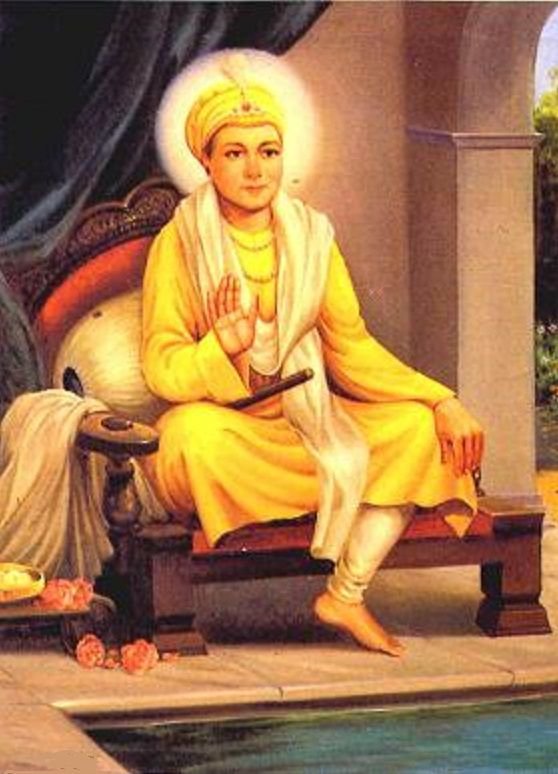
Conclusion – The Eternal Inspiration of the Child Guru
Guru Har Krishan Ji remains an eternal symbol of purity, humility, and selfless love. His life, though short, continues to inspire Sikhs and humanity to walk the path of compassion, service, and devotion to God. By remembering Guru Har Krishan Ji, one is reminded that true power lies in kindness, faith, and surrender to divine will.
His legacy lives on in Sikh teachings, history, and the hearts of millions who find strength in his message of universal love and fearless service.