Discover why we celebrate New Year every year, its historical origins, cultural meaning, and why January 1 marks a fresh start worldwide.
Introduction
Every year, as the calendar changes, billions of people across the world come together to celebrate New Year. Fireworks light up the sky, people make resolutions, and a fresh sense of hope fills the air. But have you ever wondered why we celebrate New Year every year? Is it just about parties and countdowns, or does this tradition have a deeper historical and cultural meaning?
The celebration of New Year is not a modern invention. Its roots stretch back thousands of years and are connected to astronomy, agriculture, religion, and human psychology. This article explores the history, purpose, and global significance of New Year celebrations, explaining why this annual event continues to matter so deeply to people everywhere.
The Historical Origins of New Year
The idea of celebrating a New Year began long before modern calendars existed. Ancient civilizations marked time based on natural cycles, especially the movement of the sun and moon.
Ancient Mesopotamia
The earliest recorded New Year celebrations date back over 4,000 years to ancient Mesopotamia. The Babylonians celebrated the New Year during the spring equinox, linking it to farming cycles and renewal of life.
Roman Influence
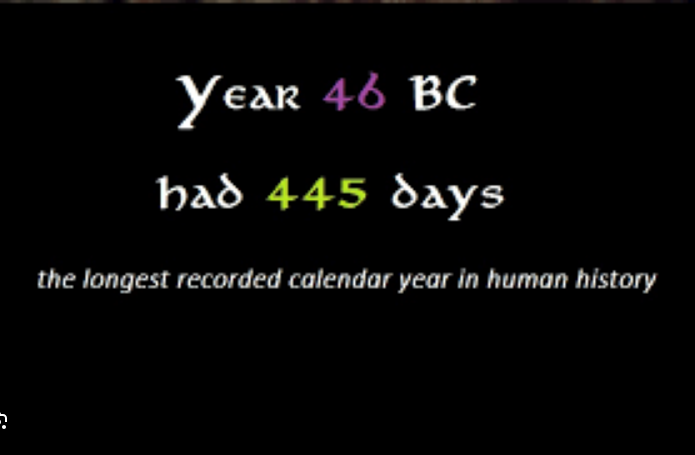
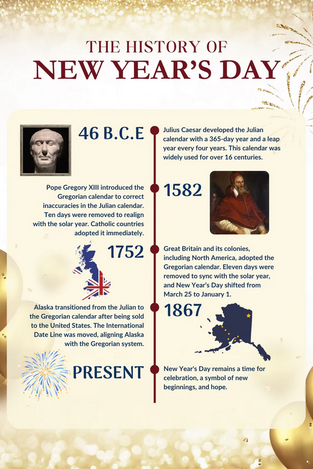
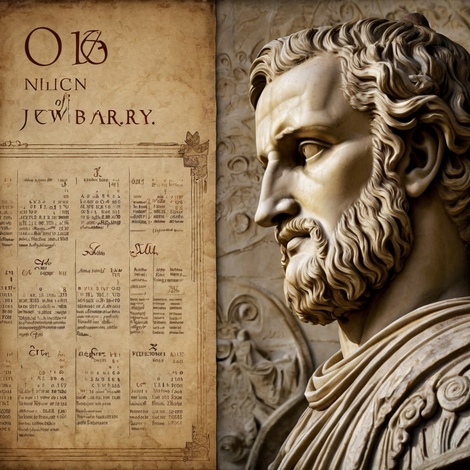
The Romans played a major role in shaping today’s New Year date. In 46 BCE, Julius Caesar introduced the Julian calendar, officially declaring January 1 as the start of the New Year. January was named after Janus, the Roman god of beginnings and transitions, symbolizing reflection on the past and hope for the future.
Why January 1 Became New Year’s Day
January 1 is not universally celebrated as New Year in all cultures, but it became globally dominant due to the Gregorian calendar, introduced in 1582.
This calendar aligned timekeeping with the solar year more accurately. As European influence spread worldwide, January 1 gradually became the international standard for New Year celebrations.
However, many cultures still celebrate New Year on different dates:
- Chinese New Year (Lunar calendar)
- Islamic New Year (Hijri calendar)
- Hindu New Year (varies by region)
- Jewish New Year (Rosh Hashanah)
This diversity shows that the reason behind New Year celebration is not the date itself, but the symbolic act of beginning anew.
The Psychological Importance of New Year
One of the main reasons we celebrate New Year every year lies in human psychology.
A Fresh Start Effect
Psychologists describe New Year as a “temporal landmark” — a moment that mentally separates the past from the future. This helps people:
- Reflect on mistakes
- Let go of failures
- Set new goals
- Feel motivated to improve
This is why New Year resolutions are so common. The annual reset gives people emotional permission to start again.
Cultural and Social Significance
New Year celebrations strengthen social bonds and cultural identity.
Global Traditions
Different cultures celebrate New Year in unique ways:
- Fireworks to ward off negativity
- Sharing meals with family
- Religious prayers and rituals
- Music, dance, and community gatherings
Despite differences, the core message remains the same: renewal, hope, and continuity.
Why New Year Is Important for Society
Beyond personal goals, New Year plays an important role in society as a whole.
Economic and Social Reset
- Governments begin new budgets
- Businesses set annual targets
- Schools and institutions plan academic calendars
The New Year acts as a structured time marker that helps societies organize progress and accountability.
New Year and Spiritual Meaning
For many people, New Year is not just a celebration but a spiritual moment.
- A time for gratitude
- Seeking forgiveness
- Praying for health and peace
- Aligning life with moral or spiritual values
In this sense, New Year serves as a bridge between time, faith, and human purpose.
Why We Continue the Tradition Today
Even in a fast-paced digital world, the New Year remains relevant because it fulfills deep human needs:
- Hope in uncertain times
- Unity across cultures
- Motivation to improve life
- Closure for emotional cycles
The tradition survives because it evolves while preserving its core meaning.
Conclusion
So, why do we celebrate New Year every year?
Because it represents far more than a date change.
New Year is a powerful human ritual rooted in history, psychology, culture, and spirituality. It reminds us that time moves forward, mistakes can be left behind, and hope can always be renewed. In a world full of challenges, this shared global moment gives people a reason to believe in fresh beginnings.
Whether marked with fireworks, prayers, or quiet reflection, the New Year continues to unite humanity under a single idea: every ending carries the promise of a new beginning.