INTRODUCTION: UNDERSTANDING THE QUESTION
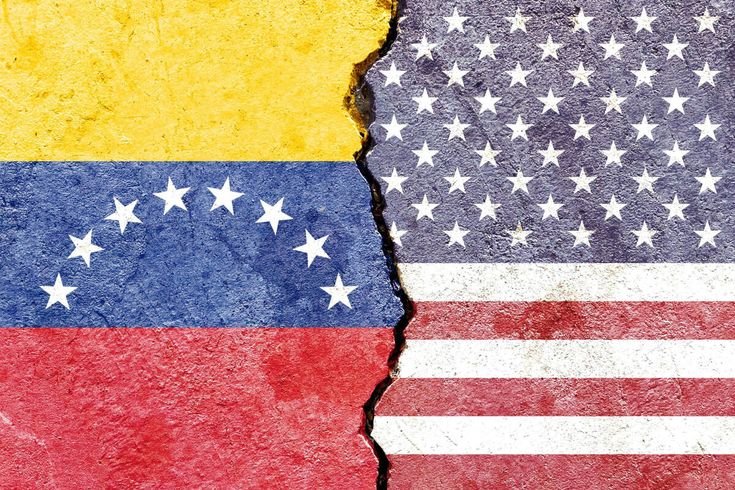
The idea of the United States attacking Venezuela has been discussed for many years in political debates, media reports, and international relations analysis. While no full-scale U.S. military invasion of Venezuela has occurred, tensions between the two nations have been serious and persistent. To understand why the U.S. might consider attacking Venezuela, one must look beyond headlines and examine deeper economic, political, strategic, and ideological factors. This article presents a neutral, factual, and historically accurate explanation,
HISTORICAL BACKGROUND OF U.S.–VENEZUELA RELATIONS
EARLY COOPERATION AND OIL DEPENDENCE
For much of the 20th century, the United States and Venezuela maintained cooperative relations. Venezuela was one of the largest oil suppliers to the U.S., and American companies played a major role in developing Venezuela’s petroleum industry. This relationship was based on mutual economic benefit rather than political conflict.http://www.truthfrontier.com
THE TURNING POINT: HUGO CHÁVEZ ERA
Relations sharply deteriorated after Hugo Chávez became president in 1999. Chávez promoted a socialist ideology, criticized U.S. foreign policy, and aligned Venezuela with countries opposed to U.S. influence. This ideological shift marked the beginning of long-term tension between the two governments.http://www.bbc.com
VENEZUELA’S OIL AND STRATEGIC IMPORTANCE
WORLD’S LARGEST PROVEN OIL RESERVES
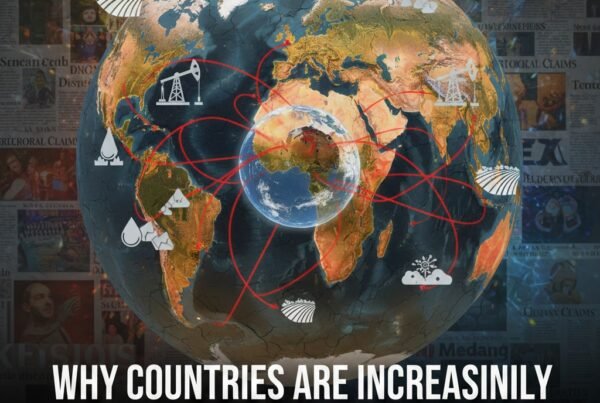
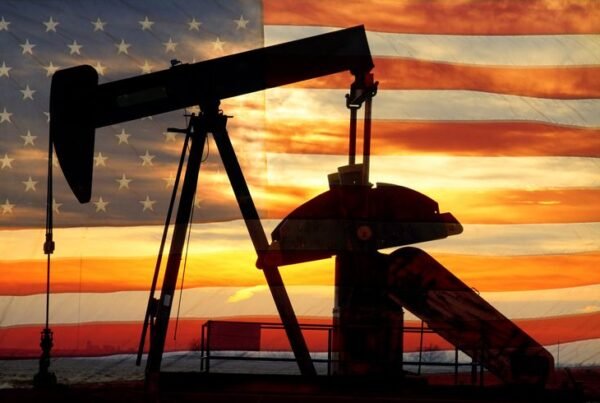
Venezuela holds the largest proven oil reserves in the world, surpassing Saudi Arabia. Control over energy resources has always been a major factor in global power politics. While the U.S. does not openly claim oil as a motive, access to stable global energy markets remains a strategic interest.
ENERGY SECURITY AND GLOBAL MARKETS
Instability in Venezuela affects global oil prices and regional energy security. The U.S. government has historically viewed disruptions in major oil-producing countries as threats to international economic stability.
IDEOLOGICAL CONFLICT AND POLITICAL SYSTEMS
DEMOCRACY VS. SOCIALISM
The U.S. promotes liberal democracy and market-based economics, while Venezuela under Chávez and later Nicolás Maduro followed a socialist, state-controlled model. Washington has accused Venezuelan leadership of authoritarianism, election manipulation, and suppression of political opposition.
REGIME CHANGE AS A FOREIGN POLICY TOOL
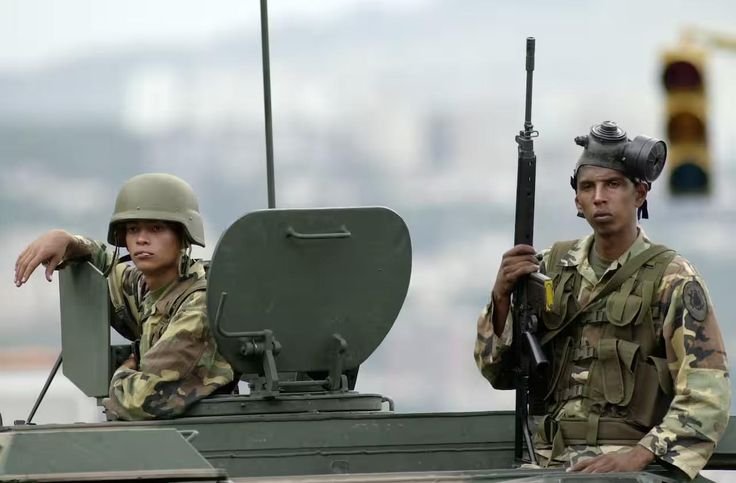
The U.S. has a long history of supporting regime change when governments are viewed as hostile to its interests. In Venezuela’s case, U.S. officials have openly recognized opposition leaders and imposed sanctions aimed at pressuring the government to step down.
HUMAN RIGHTS AND DEMOCRACY CONCERNS
ALLEGATIONS AGAINST THE VENEZUELAN GOVERNMENT
International organizations and Western governments have accused Venezuela of human rights violations, including restrictions on free speech, political imprisonment, and use of force against protesters. These allegations are frequently cited by the U.S. to justify diplomatic and economic pressure.
HUMANITARIAN CRISIS NARRATIVE
Venezuela’s economic collapse led to shortages of food, medicine, and basic services. The U.S. has described the situation as a humanitarian crisis, arguing that international intervention may be morally justified to protect civilians.
REGIONAL INFLUENCE AND LATIN AMERICAN POLITICS
FEAR OF ANTI-U.S. ALLIANCES
Venezuela has developed close ties with countries such as Russia, China, Iran, and Cuba. From a U.S. perspective, the presence of rival powers in the Western Hemisphere challenges long-standing regional influence.
THE MONROE DOCTRINE MINDSET
Although rarely mentioned directly today, the Monroe Doctrine historically shaped U.S. policy in Latin America. It established the idea that external powers should not interfere in the region, and Venezuela’s alliances are sometimes viewed through this lens.
ECONOMIC SANCTIONS AS AN ALTERNATIVE TO MILITARY ACTION
SANCTIONS INSTEAD OF WAR
Rather than direct military attack, the U.S. has primarily used economic sanctions against Venezuela. These sanctions target oil exports, government officials, and financial institutions, aiming to weaken the ruling elite without open warfare.
DEBATE OVER SANCTIONS’ EFFECTIVENESS
Critics argue sanctions worsen conditions for ordinary citizens, while supporters claim they are necessary to pressure authoritarian governments. The ongoing debate shows that military action is often considered a last resort.
MILITARY INTERVENTION: REALITY VS. RHETORIC
WHY A DIRECT ATTACK IS UNLIKELY
A U.S. attack on Venezuela would be costly, risky, and controversial. Venezuela has a large military, difficult terrain, and regional support from allies. Such an attack could destabilize all of Latin America and damage U.S. global credibility.

INTERNATIONAL LAW AND GLOBAL REACTION
Any military action without clear international approval would likely face condemnation from the United Nations and major global powers. This legal and diplomatic barrier makes open invasion less probable.
MEDIA, MISINFORMATION, AND PUBLIC PERCEPTION
ROLE OF MEDIA NARRATIVES
Media outlets often simplify complex geopolitical issues, creating the impression that war is imminent. In reality, much of the “attack” discussion exists at the level of political rhetoric rather than concrete military planning.
PROPAGANDA FROM ALL SIDES
Both the U.S. and Venezuelan governments use information campaigns to shape domestic and international opinion. Understanding motivations requires separating verified facts from political messaging.
CONCLUSION: THE REAL REASONS BEHIND THE TENSIONS
The question of why the U.S. would attack Venezuela cannot be answered with a single explanation. It is the result of oil interests, ideological conflict, human rights concerns, regional power struggles, and global geopolitics. While military action is often discussed, the U.S. has so far relied on sanctions, diplomacy, and political pressure instead of direct war.
Understanding this issue requires recognizing that international conflicts are rarely about one cause alone. Venezuela represents a complex case where economics, ideology, and power intersect, making it a focal point of one of the most significant geopolitical tensions in the Western Hemisphere.