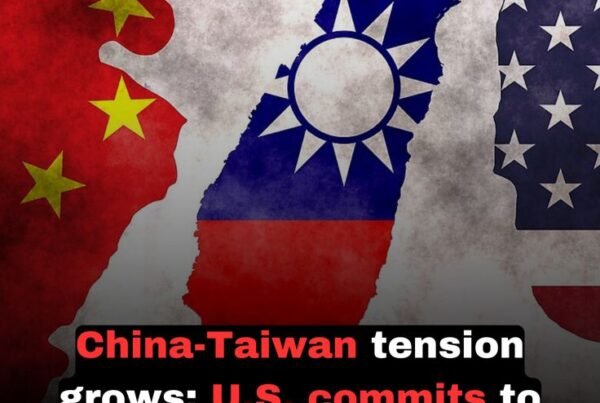
The relationship between North Korea and Japan, particularly centered around Tokyo, remains one of the most sensitive security issues in East Asia. Recent developments have once again drawn global attention as missile activities from Pyongyang intersect with diplomatic and defense responses from Japan. These events reflect broader regional challenges involving security, diplomacy, and stability in Northeast Asia.
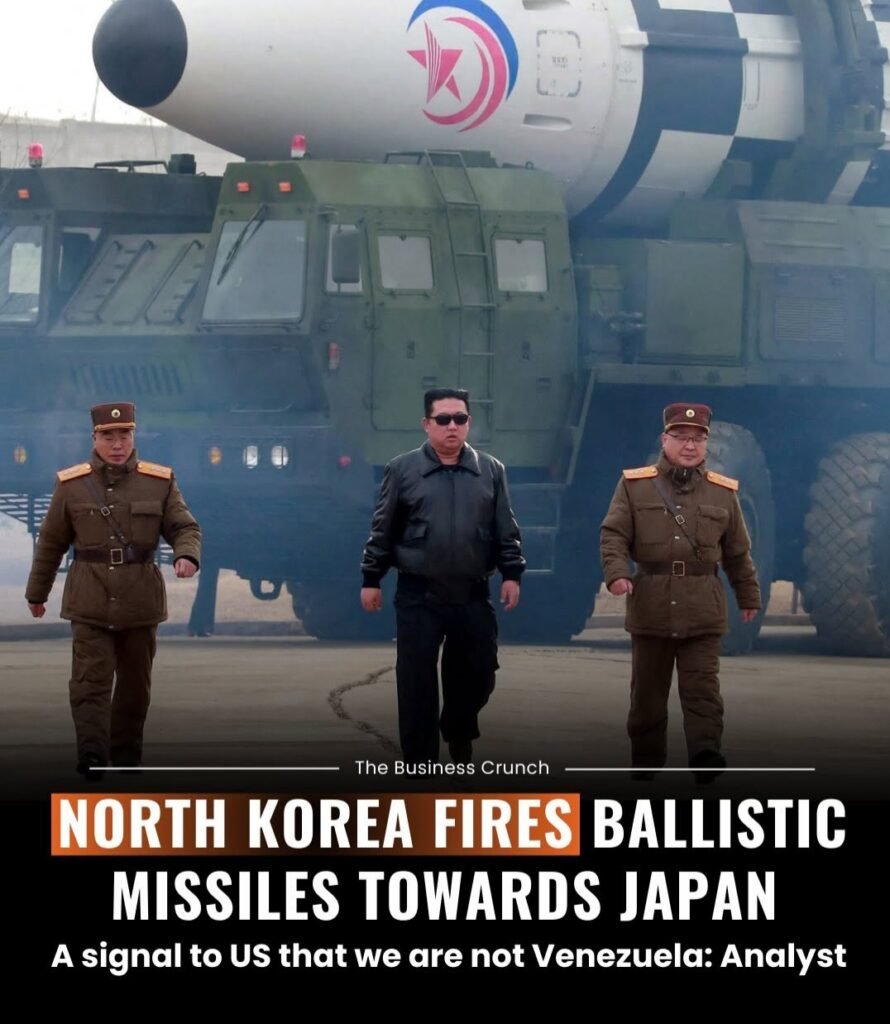
North Korea’s Recent Actions and Military Signaling
North Korea continues to rely on missile testing and military demonstrations as tools of strategic messaging. These actions are often framed by Pyongyang as defensive measures but are viewed by neighboring countries as destabilizing and provocative.http://www.truthfrontier.com
Missile Launch Activity Toward the Sea of Japan
In recent days, North Korea carried out missile launches toward the Sea of Japan, also known as the East Sea. Japanese defense authorities detected the launches through radar and satellite monitoring systems. While the missiles did not land within Japan’s territorial waters, their trajectories prompted immediate concern in Tokyo.http://www.bbc.com
Japan’s government emphasized that such launches violate United Nations Security Council resolutions and undermine regional peace. Officials stated that even when missiles fall outside Japan’s exclusive economic zone, they still pose risks to civilian aviation, maritime safety, and regional stability.
Advancement in Missile Technology
North Korea has repeatedly claimed progress in advanced missile systems, including maneuverable and high-speed weapons. These developments are seen as part of Pyongyang’s long-term strategy to strengthen deterrence and demonstrate technological capability.
Security analysts believe such tests are not only military experiments but also political signals aimed at multiple audiences: domestic citizens, regional rivals, and international powers.
Tokyo’s Immediate Response and National Security Measures
Tokyo responded swiftly to the missile activity, underscoring Japan’s readiness to protect its population and maintain regional security.
Emergency Monitoring and Public Safety Systems
Japan activated its early warning and monitoring systems, which are designed to provide real-time information during potential threats. While no evacuation orders were issued, authorities remained on high alert, and maritime operators were advised to exercise caution.
The Japanese government reiterated that ensuring public safety remains its top priority, especially in light of unpredictable missile testing in nearby regions.
Statements from Japanese Leadership
Japanese leaders strongly condemned the launches, calling them “extremely regrettable” and “a serious challenge to international order.” Tokyo lodged formal protests through diplomatic channels and coordinated closely with allies to assess the situation.
Japan’s stance reflects its broader commitment to maintaining a rules-based international system and opposing unilateral actions that threaten peace.
Diplomatic Coordination with Allies
Japan does not address regional security threats alone. Cooperation with international partners plays a crucial role in shaping Tokyo’s response.
Japan–United States Security Alignment
Tokyo reaffirmed its close security alliance with the United States, emphasizing joint defense commitments. High-level communication between Japanese and U.S. leaders focused on deterrence, intelligence sharing, and maintaining military readiness in the region.
This alliance remains a cornerstone of Japan’s national security strategy, particularly in addressing threats from North Korea.
Trilateral Cooperation with South Korea
Japan also coordinated with South Korea, despite historical tensions between the two countries. Shared concerns over North Korea have encouraged practical cooperation, including information exchange and coordinated diplomatic messaging.
This trilateral framework is seen as essential for managing crises and preventing miscalculation in Northeast Asia.

Why North Korea Targets Regional Attention
Understanding Pyongyang’s motivations is key to interpreting these events.
Strategic Timing and Political Messaging
North Korea often conducts missile tests during periods of heightened diplomatic activity in the region. Such timing increases visibility and ensures that its actions dominate international headlines.
By doing so, Pyongyang seeks to assert its relevance and remind regional powers that its security concerns cannot be ignored.
Domestic and International Objectives
Internally, military demonstrations reinforce the government’s narrative of strength and self-reliance. Externally, they serve as leverage in diplomatic negotiations, signaling that pressure or sanctions will not easily curb North Korea’s weapons programs.
Japan’s Long-Term Security Outlook
The recurring missile threat has influenced Japan’s defense policies and strategic thinking.
Evolving Defense Capabilities
Japan has been gradually expanding its defense capabilities, including missile defense systems and surveillance technologies. While its constitution emphasizes pacifism, the changing security environment has led to broader discussions about national defense responsibilities.
Tokyo continues to stress that its actions are defensive in nature and aligned with international law.
Public Opinion and Policy Debate
Missile launches from North Korea regularly spark debate within Japan about defense spending, constitutional interpretation, and the role of the Self-Defense Forces. Public concern tends to rise after each test, reinforcing support for strong deterrence measures.
Historical Context of North Korea–Japan Relations
Current tensions cannot be separated from historical issues that continue to influence bilateral relations.
Unresolved Historical Grievances
Disputes stemming from the 20th century, including wartime issues and unresolved humanitarian concerns, have long strained ties between Tokyo and Pyongyang. These unresolved matters complicate diplomatic engagement and trust-building efforts.
Absence of Formal Diplomatic Relations
Japan and North Korea do not maintain normal diplomatic relations, making direct communication difficult during crises. As a result, misunderstandings and escalation risks remain higher than in regions with established diplomatic channels.
Regional and Global Implications
The impact of these developments extends beyond Japan and North Korea.
Stability in East Asia
Repeated missile tests contribute to uncertainty across East Asia, affecting regional security planning and military postures. Neighboring countries remain cautious, balancing deterrence with efforts to avoid escalation.
International Community’s Role
The international community continues to call for restraint, dialogue, and adherence to international law. Diplomatic pressure and sanctions remain key tools, though their effectiveness remains a topic of debate.
What Comes Next
Looking ahead, experts expect continued vigilance from Tokyo and its allies. North Korea is likely to maintain its strategy of military demonstrations, while Japan will continue strengthening defense preparedness and diplomatic coordination.
The situation highlights the fragile balance between deterrence and diplomacy in Northeast Asia. While immediate conflict is not inevitable, sustained dialogue and responsible actions from all parties will be essential to reduce long-term risks.

Conclusion
The latest North Korea and Tokyo Japan news today underscores the persistent challenges facing the region. Missile activity from Pyongyang and swift responses from Tokyo reveal a complex security environment shaped by history, technology, and geopolitics.
As events continue to unfold, Japan’s emphasis on alliance cooperation, defense readiness, and international law will remain central to its approach. The coming months will test whether diplomacy can slow rising tensions or whether further provocations will deepen regional uncertainty.