Understanding What a World War Means
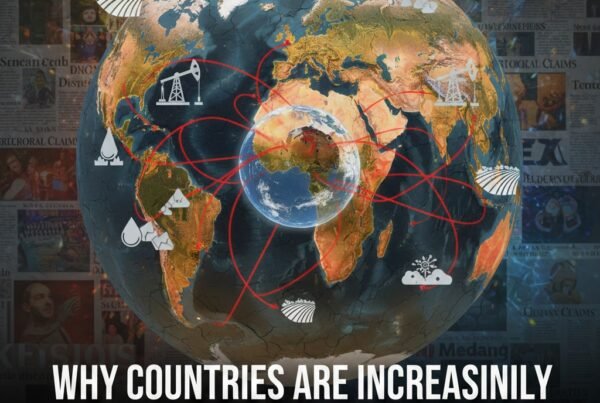
The possibility of a world war in 2026 has become a subject of intense global discussion. Rising geopolitical tensions, unresolved regional conflicts, economic instability, and rapid military modernization have created an atmosphere of uncertainty. While fears of a global conflict often dominate social media and headlines, a realistic assessment requires separating speculation from facts.
Definition of a World War
A world war is defined by large-scale military conflict involving multiple major powers across different regions of the world. It includes:http://www.truthfrontier.com
Direct involvement of powerful nations
Global military alliances
Economic, cyber, and technological warfare
Long-term global consequences
World War I and World War II expanded rapidly because of alliance systems, arms races, and diplomatic failures. Any discussion of a future world war must examine whether such global alignment and intentions exist today.http://www.bbcnews.com
Regional War vs Global War
Not every major conflict leads to a world war. Modern conflicts often remain regional, even when powerful countries provide weapons, intelligence, or economic support. A world war would require direct military confrontation between major powers, something global leaders are actively trying to avoid.
Current Global Conflicts Affecting 2026
Russia–Ukraine War
The Russia–Ukraine conflict continues to shape global security dynamics. Western countries support Ukraine through military aid and sanctions but have avoided direct confrontation with Russia. This restraint reflects fear of escalation, especially due to nuclear deterrence.
Despite its severity, the conflict remains geographically limited. Diplomatic channels, though strained, still function to prevent direct NATO–Russia war.

Middle East Instability
The Middle East remains volatile due to:
Israel–Palestine conflict
Iran’s regional influence
Proxy wars in Syria, Lebanon, and Yemen
These conflicts affect energy prices and regional security, but they have not expanded into a global war. Major powers prefer containment rather than direct military engagement.
Asia-Pacific Tensions
The Asia-Pacific region is another area of concern. Tensions include:
China–Taiwan relations
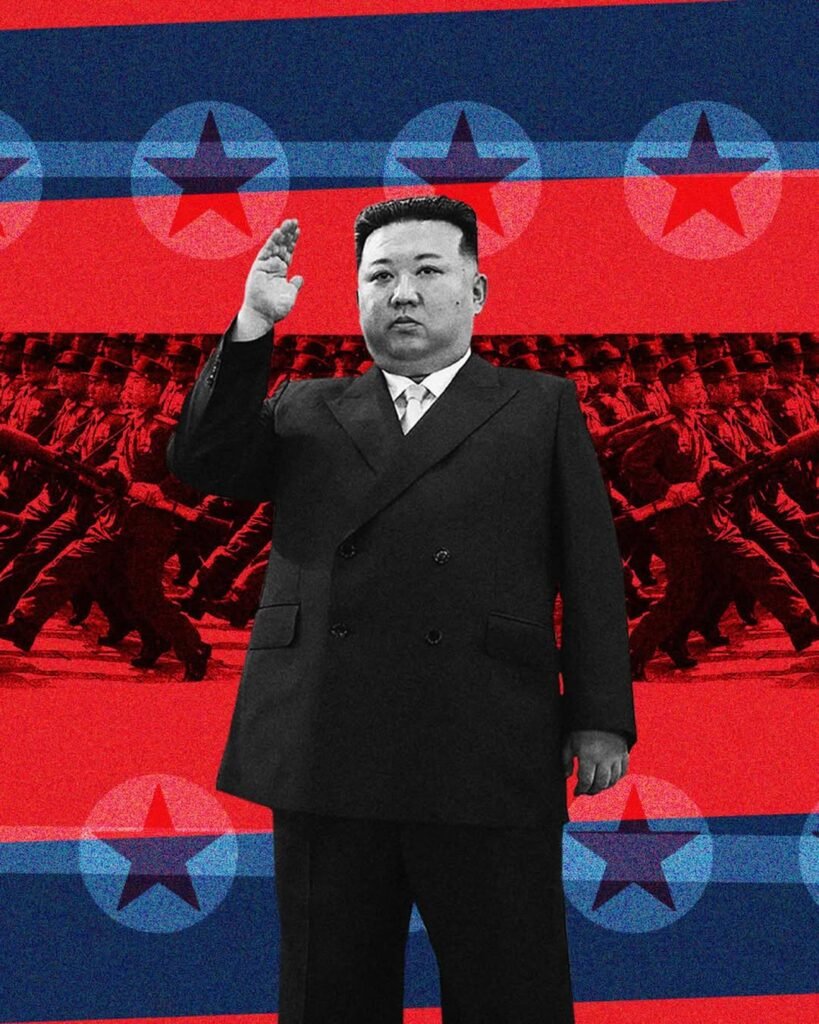
North Korea’s missile tests
U.S.–China strategic rivalry
Although military drills and strong rhetoric raise concerns, all sides understand that war in this region would disrupt the global economy and cause unprecedented destruction.
Major Flashpoints That Could Escalate
Taiwan Strait
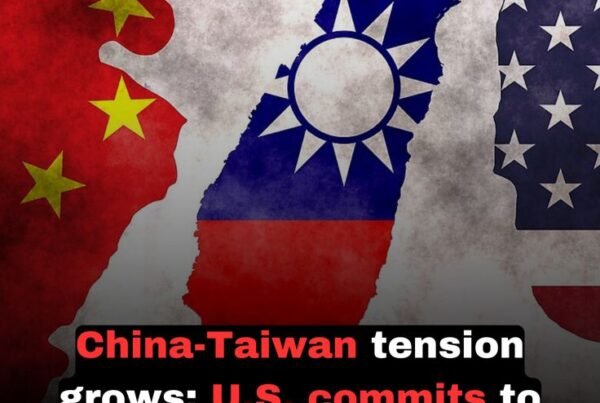
Taiwan is considered one of the most sensitive geopolitical flashpoints. China claims Taiwan as part of its territory, while the United States supports Taiwan’s self-defense. Any military action here could draw in regional allies and disrupt global trade.
However, economic interdependence and international pressure act as strong deterrents against immediate escalation.
South Asia: India and Pakistan
India and Pakistan remain tense due to historical disputes, especially over Kashmir. Both nations possess nuclear weapons, which significantly reduces the likelihood of full-scale war. International mediation and mutual deterrence continue to prevent escalation.
Eastern Europe and NATO Borders
Eastern Europe remains tense due to NATO expansion and Russia’s security concerns. Military posturing and rhetoric increase anxiety, but direct confrontation is avoided due to high costs and nuclear risk.
Role of Nuclear Weapons in Preventing World War
Nuclear Deterrence
One of the strongest reasons a world war remains unlikely in 2026 is nuclear deterrence. The principle of mutually assured destruction ensures that no nuclear-armed nation can attack another without facing catastrophic consequences.
This reality forces leaders to choose diplomacy and limited conflict over total war.
Arms Control Challenges
Some arms control agreements have weakened, increasing long-term risks. However, communication channels between major powers still exist, helping prevent misunderstandings and accidental escalation.
Economic Interdependence as a Barrier to War
Global Trade and Supply Chains
Modern economies are deeply interconnected. A world war would:
Collapse global supply chains
Trigger massive unemployment
Cause worldwide economic depression
Major powers like the United States, China, and the European Union depend heavily on global trade, making war economically self-destructive.
Energy and Financial Stability
Wars disrupt energy markets, inflation, and currencies. Governments understand that prolonged global conflict would destabilize their own economies and political systems.
New Forms of Conflict in the Modern Era
Cyber Warfare
Modern conflict increasingly takes place in cyberspace. Cyberattacks target infrastructure, banking systems, and communication networks. While dangerous, cyber warfare often remains below the threshold of traditional war.
Information and Economic Warfare
Sanctions, trade restrictions, and information campaigns are now common tools of competition. These methods increase tension but also reduce the need for direct military confrontation.
What Experts Say About World War in 2026
Increased Risk but Not Inevitable
Most analysts agree that:
The risk of regional conflicts remains high
The risk of global war exists but remains low
Miscalculation, not intention, is the greatest danger
History shows that wars often start accidentally rather than deliberately.
Lessons From History
World War I began from a localized incident that escalated due to alliances and poor communication. Today’s leaders are more aware of these dangers and actively work to prevent similar escalation.
Final Conclusion: Is World War Likely in 2026?
In conclusion:
A full-scale world war in 2026 is unlikely, but not impossible
Regional wars and proxy conflicts will likely continue
Nuclear deterrence, economic interdependence, and diplomacy reduce the risk
Miscalculations and technological errors remain the biggest threats
The world in 2026 faces high tension but strong restraint. While global peace is fragile, humanity is not inevitably heading toward another world war. The future depends on diplomacy, communication, and responsible leadership.