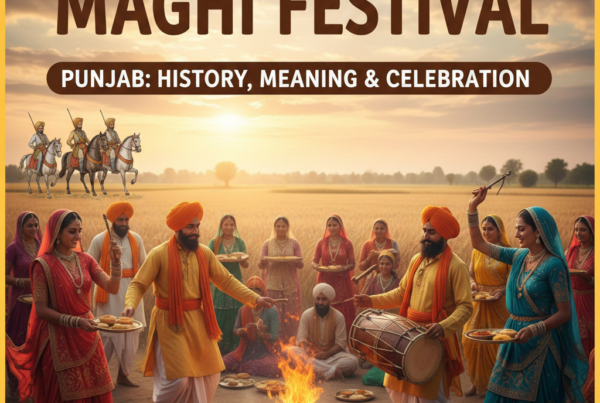
Lohri is one of the most beloved and vibrant festivals of Punjab. Celebrated with great enthusiasm, warmth, and community spirit, Lohri marks an important transition in nature, agriculture, and social life. More than just a festival of fire and folk songs, Lohri represents gratitude, hope, fertility, and the strong bond between people and the land. Rooted in ancient traditions and folk beliefs, Lohri continues to hold deep relevance in modern Punjab and among Punjabis across the world.
The Origin and Historical Background of Lohri
The celebration of Lohri dates back hundreds of years and is closely linked to the agrarian lifestyle of Punjab. Historically, Punjab has been a land of farmers, where life revolved around crops, seasons, and weather cycles. Lohri emerged as a seasonal festival marking the end of harsh winter days and the beginning of longer, warmer days.http://www.truthfrontier.com
The word “Lohri” is believed to have evolved from terms like loh (iron), lohri (a bread or offering), or loh (fire), symbolizing warmth and energy. Though there is no single written historical record defining its exact origin, Lohri is deeply embedded in Punjabi folklore, oral traditions, and rural customs passed down through generations.http://www.instagram.com
Lohri and the Agricultural Significance
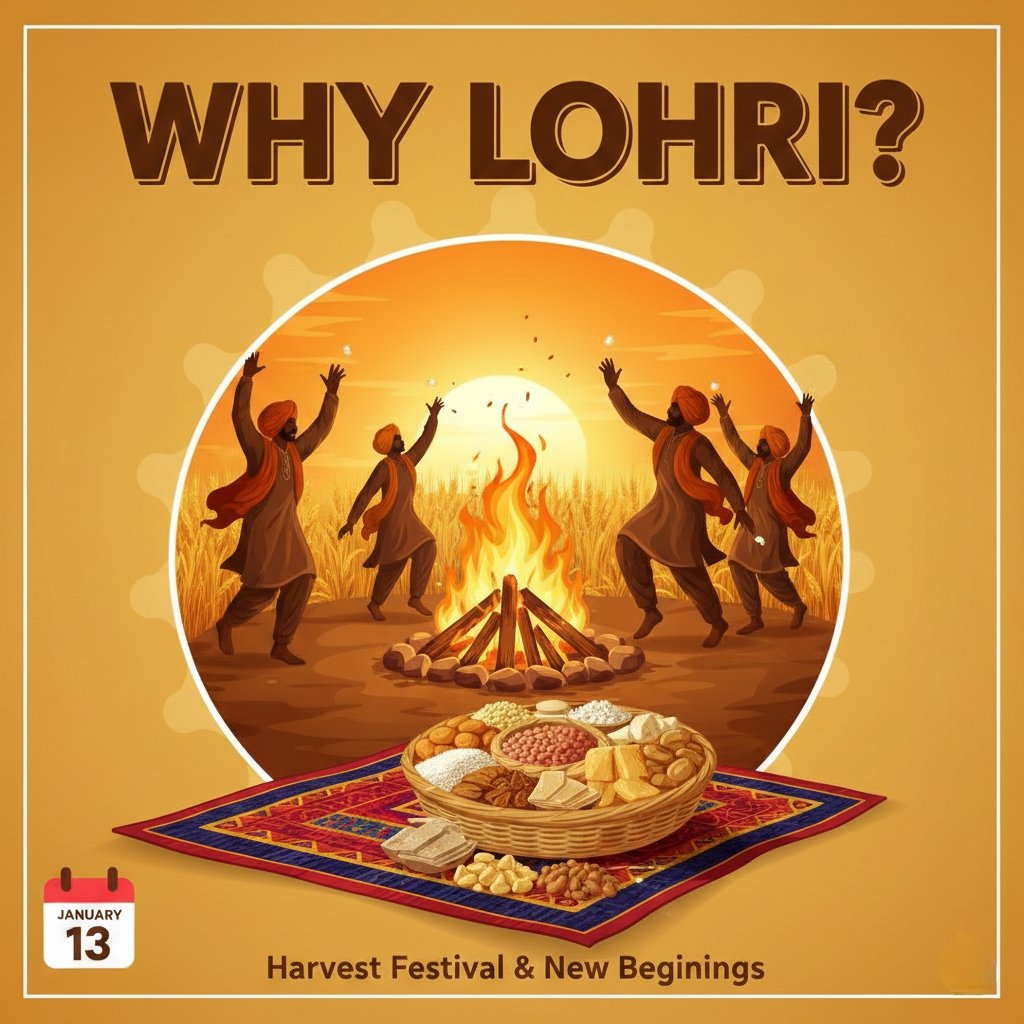
For farmers in Punjab, Lohri has immense agricultural importance. It is celebrated on January 13 every year, just before Makar Sankranti, when the sun begins its northward journey. This period is crucial for the Rabi crop cycle, especially wheat, which is the main crop of Punjab.
Lohri marks the near completion of sowing wheat and gives farmers a moment to relax and rejoice after months of hard labor. The festival symbolizes gratitude toward nature for fertile land, favorable weather, and the promise of a good harvest. Farmers pray for prosperity, abundant crops, and protection from natural calamities.
The Spiritual Meaning of the Lohri Bonfire
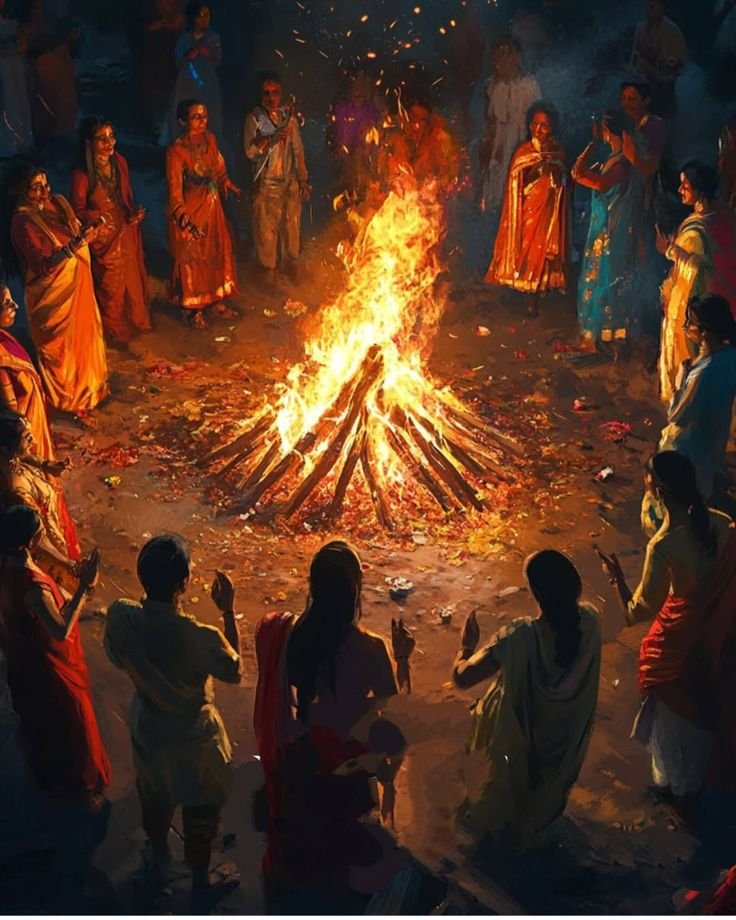
The central element of Lohri celebrations is the bonfire. The fire holds deep spiritual and symbolic meaning. It represents the sun, warmth, energy, and renewal of life. During winter, when days are short and nights are cold, fire becomes a symbol of survival and hope.
People gather around the bonfire, offer traditional items like sesame seeds, jaggery, peanuts, popcorn, and sugarcane, and pray for happiness and prosperity. Circling the fire and offering prayers reflects ancient fire-worship traditions that existed long before organized religions. The bonfire also signifies the burning away of negativity, hardships, and past sorrows.
Folk Legend of Dulla Bhatti and Lohri
One of the most popular folk legends associated with Lohri is that of Dulla Bhatti, a heroic figure in Punjabi folklore. Dulla Bhatti lived during the Mughal era and was known for helping the poor and protecting the honor of young girls. He rescued girls from being sold and arranged their marriages, acting as a guardian for the helpless.
During Lohri celebrations, traditional folk songs praising Dulla Bhatti are sung, especially by children who go door-to-door collecting offerings. This tradition keeps alive the values of bravery, justice, generosity, and social responsibility, making Lohri not just a seasonal festival but also a moral and cultural reminder.
Lohri as a Festival of Fertility and New Beginnings
Lohri is strongly associated with fertility, both agricultural and human. In Punjabi culture, special Lohri celebrations are organized for newly married couples and families blessed with a newborn child, particularly the first child. This signifies the celebration of continuity, growth, and prosperity.
The festival marks a fresh start, encouraging families to move forward with optimism and hope. The warmth of the bonfire symbolizes protection and blessings for the new phase of life. This aspect highlights Lohri as a celebration of life itself.
Traditional Food and Its Symbolism
Food plays a significant role in Lohri celebrations. The traditional items offered to the fire and shared among people include til (sesame seeds), gur (jaggery), rewri, gajak, peanuts, popcorn, and sugarcane. These foods are seasonal and naturally warming, suitable for winter.
Sesame seeds and jaggery symbolize unity, sweetness, and strength. Sharing these foods reflects community bonding and the joy of sharing blessings. The simplicity of Lohri food connects people to nature and seasonal living, reinforcing sustainable traditions.
Music, Dance, and Cultural Expression
Lohri is incomplete without music and dance. Traditional Punjabi folk songs narrate stories of nature, love, bravery, and everyday life. Bhangra and Gidda, the energetic folk dances of Punjab, are performed around the bonfire, expressing happiness, vitality, and collective joy.
These cultural expressions strengthen social bonds and preserve Punjabi heritage. The rhythm of the dhol, the clapping, and the synchronized movements symbolize harmony between humans and nature.
Social and Community Importance of Lohri
Lohri is a community-centered festival. It brings together families, neighbors, and villages, breaking social barriers. People forget differences and celebrate as one community. In rural Punjab, Lohri strengthens social unity, mutual support, and collective identity.
The tradition of children collecting Lohri offerings teaches values of sharing, respect for elders, and participation in cultural practices. This social aspect ensures that Lohri remains a living tradition rather than a forgotten ritual.
Lohri in Modern Times and Global Celebrations
With migration and globalization, Lohri is now celebrated beyond Punjab, across India and in Punjabi communities worldwide. While urban celebrations may include modern music and events, the core spirit of Lohri remains unchanged.
In cities, Lohri serves as a reminder of rural roots, cultural identity, and seasonal awareness. Despite changing lifestyles, the festival continues to connect people emotionally to their heritage and traditions.
Conclusion: Why Lohri Still Matters Today
Lohri is celebrated in Punjab not just as a festival, but as a reflection of life, nature, gratitude, and community. It honors the farmer, respects natural cycles, celebrates warmth during cold times, and promotes togetherness. Rooted in ancient traditions yet adaptable to modern life, Lohri continues to shine as a symbol of hope, prosperity, and cultural pride.
In essence, Lohri is a celebration of light over darkness, warmth over cold, unity over isolation, and hope over hardship. That is why, even today, Lohri holds a special place in the heart of Punjab and its people.