
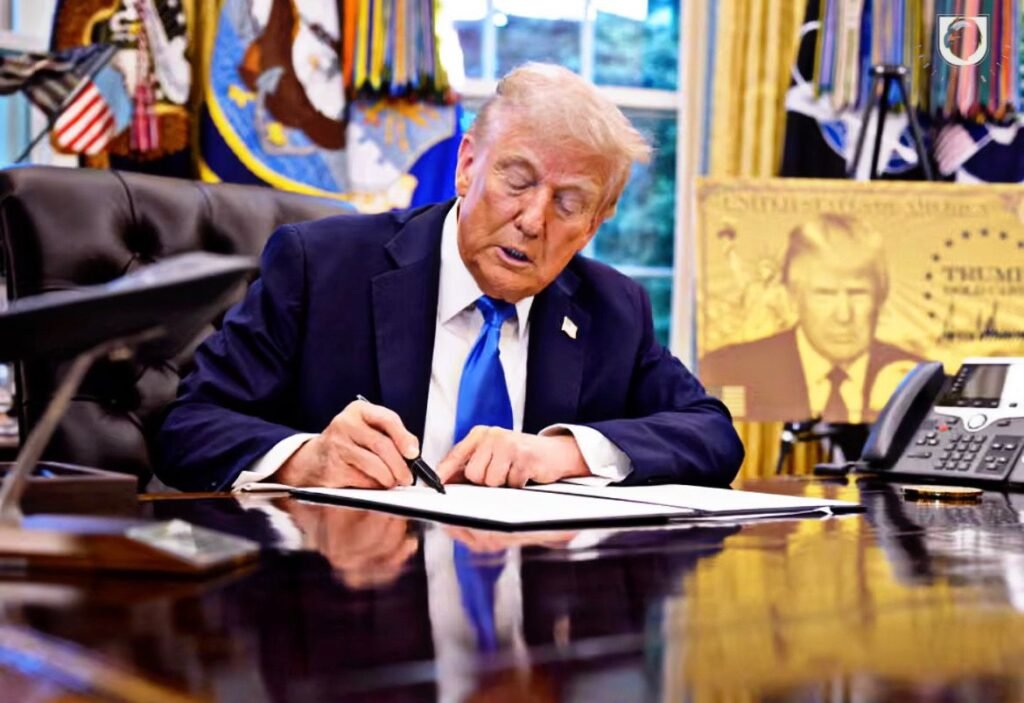
The recent $100,000 fee hike for new H-1B visa applications under the Trump administration is significantly impacting Indian tech professionals and students dreaming of working in the US. This fee, a substantial increase from the previous $2,000–$5,000 range, alongside stricter visa policies, is causing widespread uncertainty and fear about future opportunities in the US.
Key Impacts on Indian H-1B Aspirants
- Increased Financial Burden: The $100,000 fee for new applications, effective September 21, 2025, and a $250 “Visa Integrity Fee” implemented on October 1, 2025, significantly raise costs for individuals and employers.
- Shift to Offshore and Alternative Destinations: US companies are exploring shifting more work to India’s Global Capability Centers (GCCs) to avoid visa restrictions and high costs. Many Indian H-1B holders and aspirants are also considering countries like Canada, the UK, and Germany, which are actively seeking skilled professionals.
- Impact on Existing H-1B Holders: While the new fees don’t apply to existing visas or renewals, the overall instability and potential for further restrictions are causing anxiety among those already in the US, with some questioning whether to return to India.
- Rejection Rate During Trump’s First Term: H-1B visa rejection rates for Indian applicants soared during Trump’s previous term, reaching 24% in 2018, compared to 5-8% under President Obama and 2-4% under President Biden.
Broader Implications
- Impact on Indian IT Companies: Major Indian IT companies heavily reliant on H-1B visas, like Infernos and Tata Consultancy Services, saw their share prices decline following the announcement.
- Debate on Innovation: Some experts argue the policies could stifle American innovation by limiting access to global talent.
- Opportunity for India: The fee hike could accelerate the growth of India’s domestic tech sector as skilled professionals consider returning or working through offshore hubs. However, challenges remain, such as salary expectations for returnees and the current pace of innovation in the Indian ecosystem
Why This Is a Big Deal for Indians
- Overwhelming Indian Representation
Indians make up about 70–71% of H‑1B visa holders. That means this policy change disproportionately impacts them. - Cost Barrier for Aspirants
For many early‑career professionals, STEM grads, or recent masters/PhD students, the cost of sponsorship (employer cost) now sharply increases. In many cases, the new fee alone might exceed what the employer would pay for salary or relocation previously — making small/medium employers less willing to sponsor. - Destroys Predictability & Planning
Many Indians planning careers in the U.S. structured their studies, jobs, lives around the possibility of getting H‑1B visa sponsorship. Now that cost has spiked, and the chance becomes much less certain. Dreams of “moving to the U.S., gaining experience, applying green card, bringing family” are suddenly far more fragile. - Strain on Indian IT / Tech Sector
Indian IT companies used to send many employees to the U.S. under H‑1B; this model helped build revenue, margins, client trust. With sponsorship becoming costly, many contracts may become uneconomical, onsite work may reduce, and companies may shift to relying more on remote/offshore delivery or strengthening operations in India. - Remittances and Rupee Pressure
Indians abroad send remittances that help many households, and contribute to foreign exchange inflows. Some experts warn that reduced H‑1B migration could mean lower remittances, which might weaken the Indian rupee and affect macro‑economic stability.