
The “Epstein Files” — a sprawling trove of documents, court filings, flight logs, and victim interviews — stand as one of the most damning testaments to the intersection of wealth, power, and predatory abuse in modern times. Jeffrey Epstein, the late financier and convicted sex offender, was not just a lone predator. The files have raised urgent and provocative questions: who protected him? Who benefited from his network? And how deep does the complicity run?

A Sinister Empire Built on Secrets
Jeffrey Epstein first became notorious after pleading guilty in Florida in 2008 for soliciting prostitution — including from minors. He received a notoriously lenient plea deal, avoiding federal prosecution and earning a controversial non-prosecution agreement that shielded “potential co-conspirators.”
He resurfaced in 2019, arrested on new federal charges of sex trafficking of minors. Weeks later, Epstein was found dead in his Manhattan jail cell under circumstances officially ruled as suicide, though conspiracy theories persist.
The Epstein Files encapsulate decades of alleged abuse — but they also contain something more disturbing. Beyond the individual victims lie a network of powerful elites: politicians, billionaires, celebrities — all tied to Epstein, all raising difficult moral and political questions.
- What’s in the Epstein Files
In September 2025, the U.S. House Oversight Committee released more than 33,000 pages of Epstein-related documents, previously under seal. These include:
Court filings and legal transcripts concerning Epstein and his close associate, Ghislaine Maxwell.
Bodycam footage from law-enforcement raids and interviews.
Audio or written interviews of alleged victims, with some faces redacted or anonymized.
Epstein’s address books and personal contact lists — names of high-profile figures such as Michael Jackson, Alec Baldwin, Mick Jagger and others have appeared in re-released documents.
Flight logs: records of Epstein’s planes, showing who flew with him, how often, and where.
Yet much of the newly released material appears to reiterate previously public records, which has fueled skepticism over how much new truth has actually surfaced.

- Transparency or Political Theater?
The release was hailed by some as a triumph of transparency. FBI Director Kash Patel pledged that “there will be no cover-ups, no missing documents … no stone left unturned.” But critics quickly fired back: netizens and investigators noted heavy redactions, missing content, and portions of files that appeared edited before being made public.
Attorney General Pam Bondi, who ordered parts of the release, claimed to have uncovered “tens of thousands” of videos, potentially involving underage victims. But Patel, on a public podcast, challenged that number, suggesting there’s no clear evidence of illicit footage involving other powerful individuals.
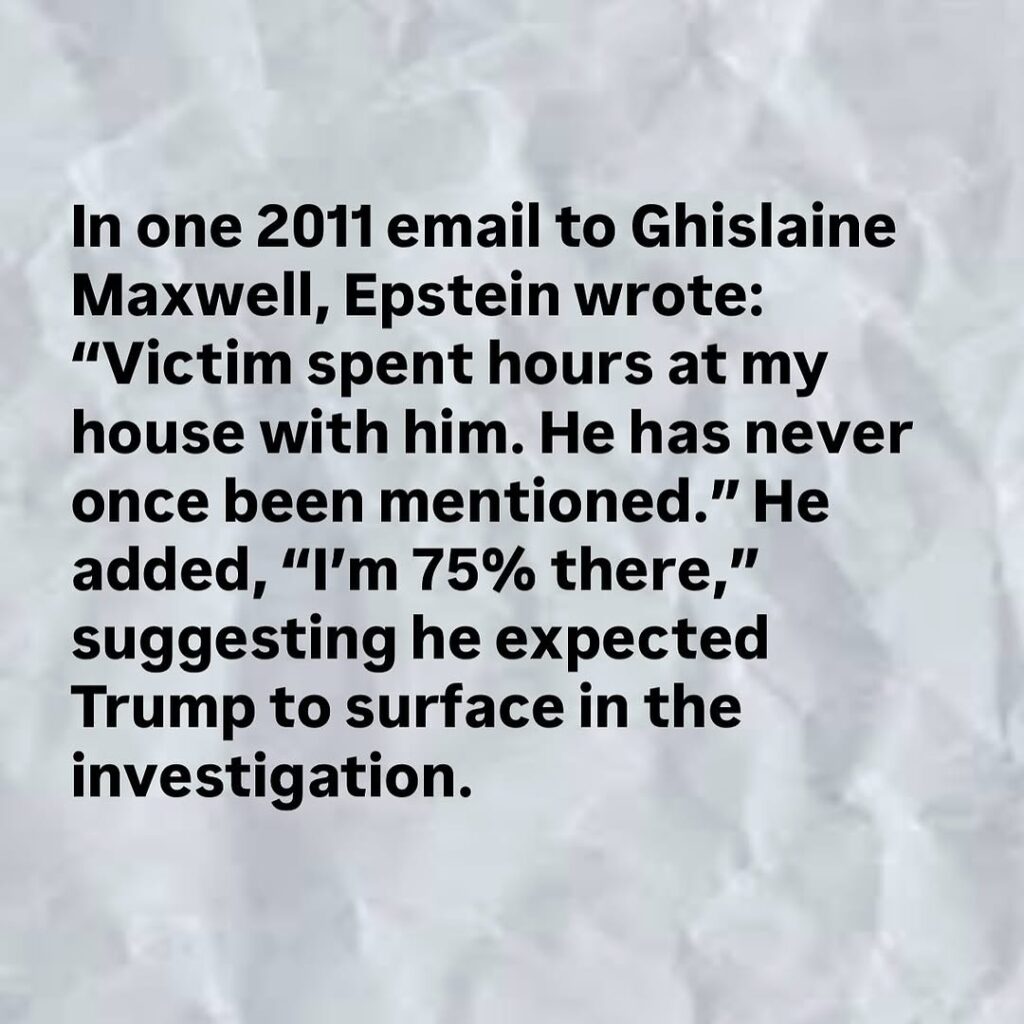
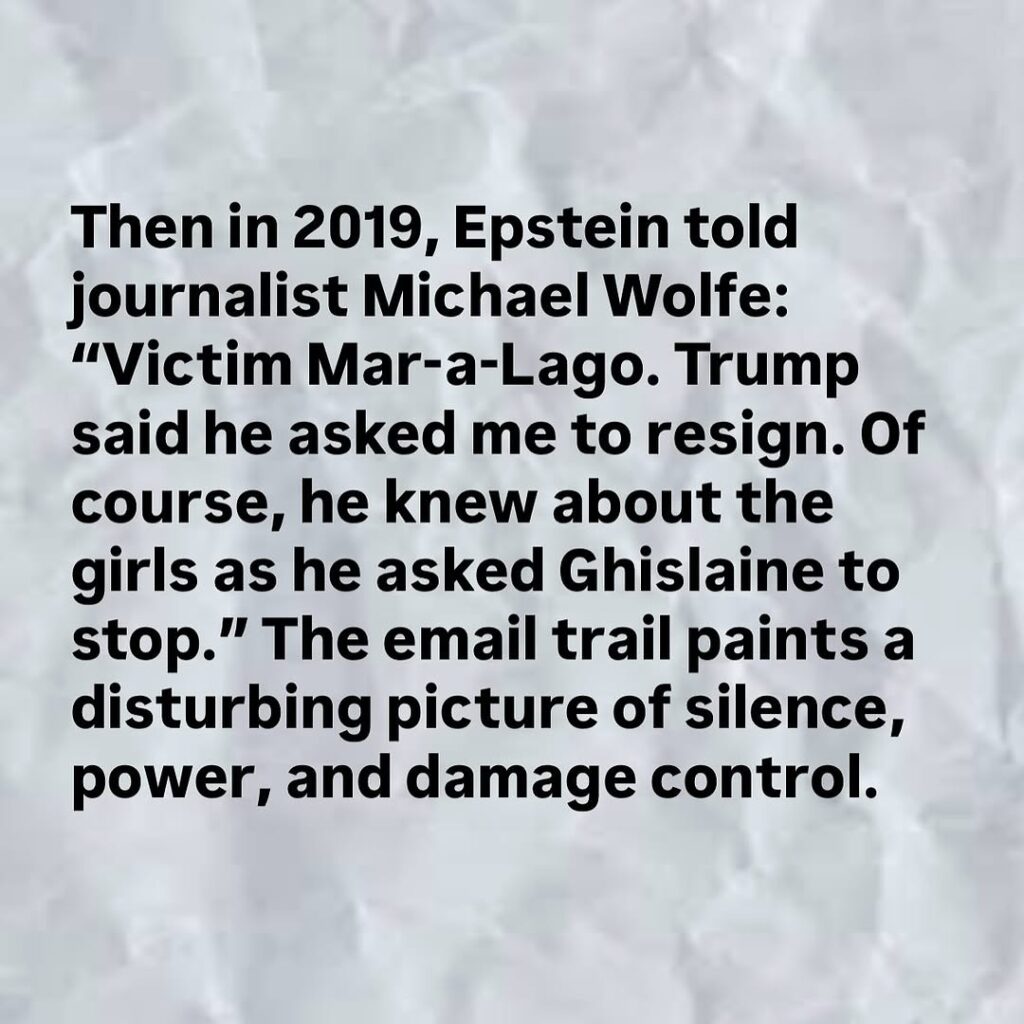
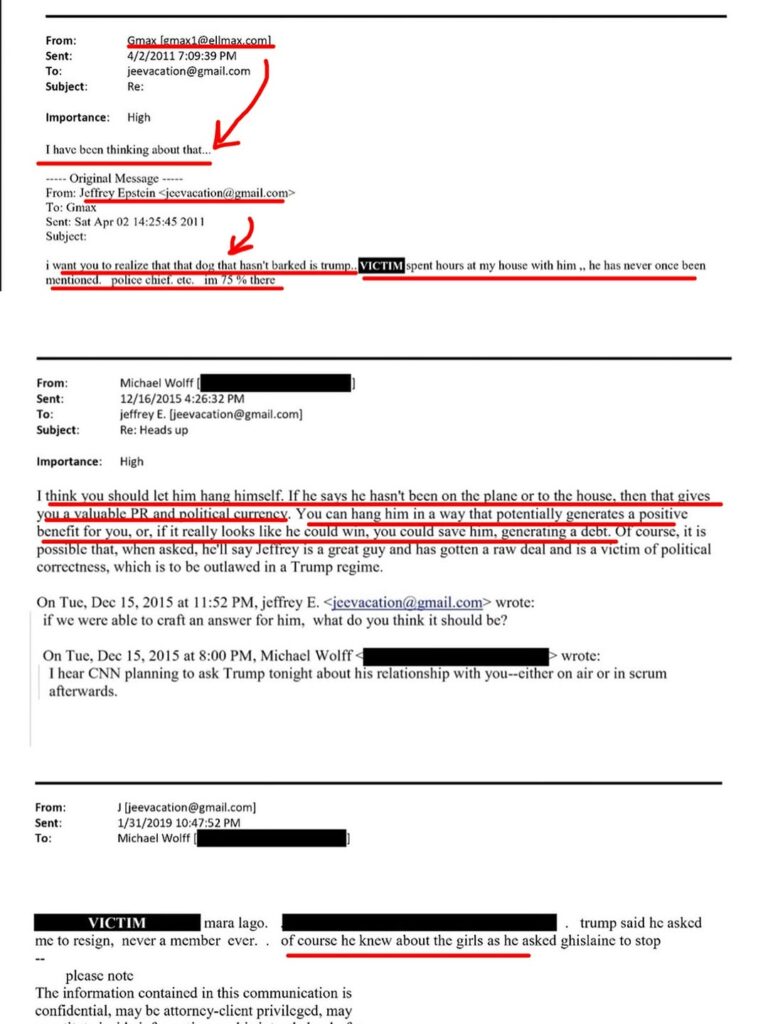
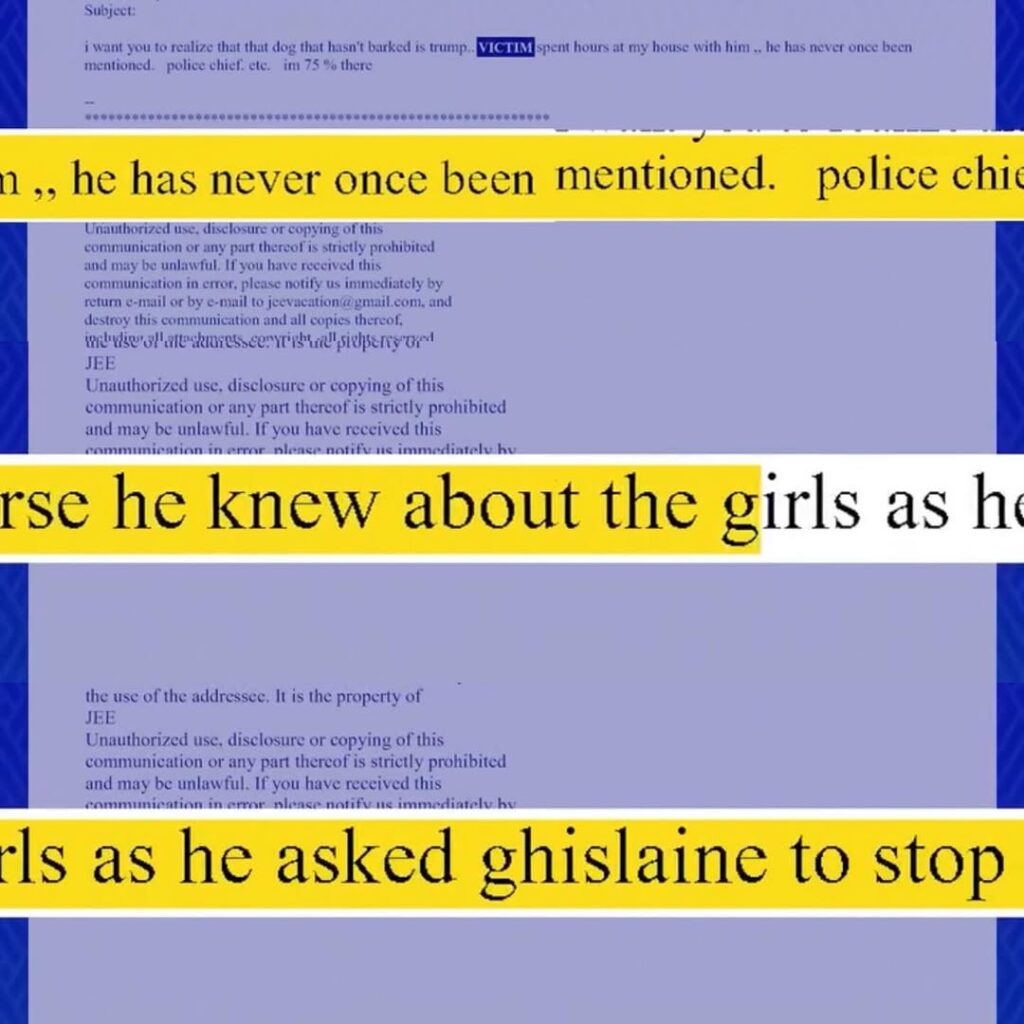
Even more politically volatile is the fact that President Donald Trump, once associated with Epstein, was reportedly informed by the Department of Justice that his name appeared multiple times in Epstein’s records. Whether that translates into wrongdoing, or is simply a reflection of Epstein’s wide circle, remains fiercely debated.
- The Myth of the “Client List”
Perhaps the most controversial aspect of the Epstein Files is the so-called “client list” — the idea that Epstein kept a ledger of wealthy and influential clients, some allegedly supplied through his trafficking operation. For years, this list has been a staple of conspiracy theories and political discourse.
In July 2025, the FBI and Department of Justice (DOJ) released a memo declaring they found “no credible evidence” of a formal “client list” or a blackmail scheme involving Epstein. The memo also stated that they found nothing that could open new investigations of uncharged third parties. This has inflamed both supporters and critics of Epstein’s accusers: some say the lack of a list is proof of a cover-up; others argue it’s vindication.
- Why Some Files Remain Hidden
Despite the massive public dump, many documents are still sealed or withheld. Legal claims around grand jury privilege and national security have been used to block full disclosure. Congressional pressure has mounted, with lawmakers subpoenaing remaining files.
Survivors and advocates argue that the released pages are largely redundant, rehashing old, already-known evidence — and that real revelations are being buried. Meanwhile, others counter that unearthing truly damning content — financial deals, secret communications, potential co-conspirators — requires slow, cautious legal processes, not sensationalist leaks.
- The Stakes Are Bigger Than Epstein
What makes the Epstein Files so explosive is not just the horror of his crimes, but the glaring questions they raise about systemic impunity. Epstein moved in the rarefied air of global elite — and the files suggest he was not acting alone, nor merely for self-gratification.
Complicity — whether through silence, financial gain, or protection — appears woven into the fabric of institutions that should have intervened. From banking to politics to law enforcement, Epstein’s orbit hints at deep, structural rot.
The scandal has become a crucible for demands that powerful individuals not be shielded behind wealth or influence, and that victims be heard, not forgotten.
- What Comes Next?
The release of the Epstein Files is only the beginning. Here’s what to watch for in the coming months and years:
- Further Congressional Action: Bipartisan efforts continue to force full transparency. Lawmakers have vowed not to stop until every sealed page sees daylight.
- Legal Battles: Survivors may press renewed civil claims, now armed with new documentation.
- Public Reputation Fallout: As more names emerge — even redacted or ambiguous ones — reputations could be irrevocably damaged, whether through lawsuits or public backlash.
- Institutional Reforms: Epstein’s case could be a catalyst for broader reforms around sex trafficking, financial regulation, and whistleblower protections.
- Truth vs. Conspiracy: The line between genuine, systemic accountability and conspiracy-driven narratives will remain contested. Some will celebrate the release as a win for victims; others will see it as political theater or a partial cover-up.

A Neutral & Fact-Based Summary for Readers
The Epstein Files are not a mystery—they are public legal documents released over many years. They provide insight into:
- Epstein’s network
- travel patterns
- depositions
- legal proceedings
- financial frameworks
However, the documents must be interpreted responsibly, acknowledging that:
- Names appearing in files does not equal guilt,
- Evidence remains incomplete,
- Courts control what can be made public,
- Speculation is unreliable.
TruthFrontier.com’s goal is to help readers understand verified information without misinformation.
What the New Public Documents Actually Contain
Recent public releases include:
1. Travel Logs & Calendar References
These documents show travel dates, destinations, and visitors aboard Epstein’s aircraft.
Important: Appearances on a log do not imply involvement in any wrongdoing, as many flights included business professionals, academics, and staff.
2. Court Testimonies and Depositions
Many sections are redacted to protect:
- privacy,
- ongoing legal matters,
- and individuals unrelated to criminal allegations.
3. Email & Communication Records
Some documents contain email headers or communication metadata, showing who contacted whom and when—without details of conversations.
4. Financial Records
Released documents include summaries of:
- business transactions,
- property transfers,
- foundation activities.
These records provide transparency regarding Epstein’s complex financial network.
Misconceptions About the Epstein Files
Due to widespread online speculation, it is important to clarify:
1. Court documents include names for many reasons
Names may appear because of:
- social contact
- business interactions
- professional services
- staff roles
- event attendance
2. Not everyone listed is accused of wrongdoing
Legal context is essential.
The documents usually state that inclusion does not imply criminal involvement.
3. Many details remain sealed
For legal, investigative, and privacy reasons, several files are still not publicly available.
Why People Want to Understand the Epstein Files
The search intent behind the keyword “Epstein Files” falls into three primary categories:
1. Informational Intent
Users want verified details about what public documents actually say.
2. Investigative Intent
People are looking for factual explanations without rumors or speculative claims.
3. Trending News Intent
Because every new unsealed document triggers global media attention, users follow ongoing developments.
TruthFrontier.com focuses on credible information based on public legal records.
Conclusion: A Scandal That’s Bigger Than One Man
Jeffrey Epstein’s death may have shut down the man — but the Epstein Files ensure his legacy of corruption, exploitation, and privilege lives on in public controversy. These documents are not just a record of what he did; they are a mirror reflecting how power can protect predators.
The files demand more than curiosity. They demand accountability. They demand justice. And for many, they demand change.
Epstein wasn’t just a criminal. He was a symptom — and the Epstein Files challenge us to ask whether our systems are sick, or just complicit.




Join the discussion One Comment