
The United States is home to some of the world’s largest and most influential oil companies. These corporations play a critical role in supplying energy to the domestic market, shaping global oil prices, and driving technological advancements in energy production. From exploration and drilling to refining and distribution, U.S. oil companies form the backbone of the nation’s energy infrastructure, influencing both economic growth and international geopolitics.
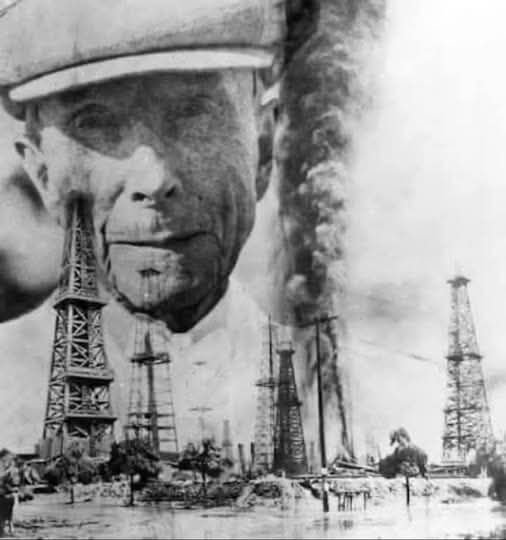
Structure of the U.S. Oil Industry
The American oil sector is composed of multiple layers of operations:
Upstream: Involves exploration and extraction of crude oil and natural gas. Companies in this segment locate reserves and extract fuel using advanced drilling technologies.http://www.truthfrontier.com
Midstream: Focuses on transportation, storage, and logistics, including pipelines, tanker ships, and storage terminals.
Downstream: Converts crude oil into usable products like gasoline, diesel, jet fuel, and petrochemicals, distributing them to consumers and businesses.http://www.bbcnews.com
Some U.S. oil companies operate across all three segments, known as integrated oil firms, while others specialize in specific areas of the supply chain. This structure allows flexibility and adaptation to changing market conditions.
Leading American Oil Companies
Several U.S.-based oil corporations dominate production and market influence. Each has its own strengths, historical background, and areas of expertise.
ExxonMobil
ExxonMobil is the largest U.S. oil company and a global leader in energy. Established from the legacy of Standard Oil, the company engages in exploration, production, refining, and petrochemicals. ExxonMobil has significant assets in the Permian Basin, the Gulf of Mexico, and international projects. The company emphasizes efficiency and technology to maintain production and competitiveness. Its size and influence make it a barometer of the American oil market.

Chevron
Chevron, headquartered in California, is another major player. Operating globally, Chevron engages in oil and gas production, refining, and marketing. Its U.S. operations include shale fields, offshore drilling, and refining networks. Chevron also manages projects abroad, including operations in regions with geopolitical risks, making it a key strategic company in international energy discussions.
ConocoPhillips
ConocoPhillips specializes in upstream activities, focusing on exploration and production of crude oil and natural gas. Headquartered in Houston, it operates extensively in Alaska, the Permian Basin, and internationally. Known for innovation and efficient production practices, ConocoPhillips contributes significantly to domestic oil output and international energy supply.
Phillips 66
Phillips 66 primarily focuses on downstream and midstream operations. It refines crude oil into gasoline, diesel, jet fuel, and chemicals while maintaining a vast network of service stations across the U.S. The company integrates logistics, refining, and marketing, supporting the country’s transportation and industrial fuel needs.
Marathon Petroleum
Marathon Petroleum is one of the largest refiners in the U.S., processing crude into various fuels and managing pipelines and storage facilities. With its headquarters in Ohio, Marathon plays a crucial role in meeting national fuel demands and supplying energy to the domestic market efficiently.
Independent and Specialized Firms
Beyond these major corporations, numerous independent companies contribute to the U.S. oil sector.
EOG Resources: Focuses on shale production, particularly in the Permian Basin and Bakken formation.
Devon Energy and Occidental Petroleum: Concentrate on upstream operations and efficient resource extraction.
Valero Energy and Enterprise Products Partners: Operate major refining and midstream infrastructure.
Together, these firms diversify production and maintain resilience across the U.S. oil market.
The Shale Revolution
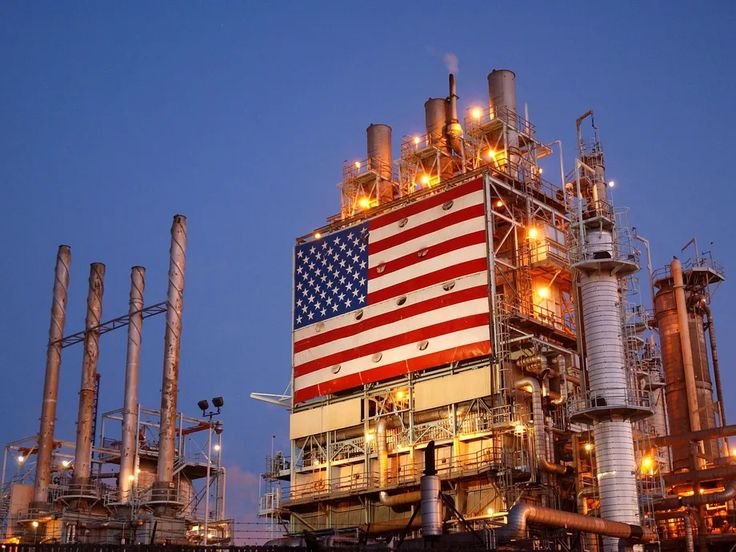
Technological innovation, especially hydraulic fracturing and horizontal drilling, has transformed the American oil industry. Shale formations such as the Permian Basin and Bakken region have unlocked vast reserves, allowing the U.S. to become the world’s top oil producer. This revolution increased domestic supply, reduced dependence on imports, and changed global oil trade dynamics.
Economic Impact
U.S. oil companies are vital to the national economy. They provide employment, generate tax revenue, and support energy-intensive industries. The sector also contributes to international trade through crude exports, particularly of light sweet crude and refined products. Oil production affects fuel prices, transportation costs, and broader economic activity, linking it closely to everyday life in the U.S.
Environmental and Regulatory Considerations
The oil industry faces pressure to reduce emissions and adhere to environmental standards. U.S. companies are investing in technologies like carbon capture, more efficient drilling, and cleaner refining processes. While oil remains central to the energy mix, companies are increasingly balancing environmental responsibilities with the need to meet growing energy demand.
Strategic Global Role
American oil companies are influential globally. Their production, exports, and innovations affect worldwide oil supply and pricing. By leveraging technology, expertise, and investment in energy infrastructure, U.S. firms maintain a strong position in the international energy market, influencing both policy and economics.
Market Trends and Corporate Strategies
U.S. oil companies have adapted to market fluctuations through several strategies:
Operational efficiency: Streamlining operations to maintain profitability during price volatility.
Portfolio optimization: Selling low-yield assets and focusing on core production areas.
Technological investment: Developing more efficient extraction methods and environmental solutions.
Geopolitical navigation: Managing global investments while minimizing risk exposure.
These strategies ensure sustainability and competitiveness in a highly dynamic market.
Technological Innovation
Innovation drives U.S. oil industry success. Techniques like 3D seismic imaging, advanced drilling technologies, and digital monitoring improve resource discovery and extraction efficiency. Automation and AI help manage complex operations, reducing costs and increasing safety. This innovation underpins the U.S.’s position as a global energy leader.
Challenges and Future Outlook
Despite strengths, U.S. oil companies face several challenges:
Price volatility: Oil markets fluctuate due to global demand, geopolitical events, and competition.
Regulatory pressures: Environmental rules and emissions standards require continual adaptation.
Transition to renewable energy: Growth in solar, wind, and electric vehicles is gradually shifting energy demand patterns.
Future strategies will likely focus on balancing traditional oil production with cleaner energy integration, ensuring both profitability and sustainability.

Conclusion
American oil companies are essential pillars of the U.S. economy and global energy markets. Through innovation, strategic operations, and global engagement, these corporations have transformed domestic production and influenced international energy trends. The sector continues to evolve, navigating technological, economic, and environmental challenges, while maintaining its role as a cornerstone of national and global energy security.
With continued adaptation and investment, U.S. oil firms are poised to remain influential players in the global energy landscape for decades to come.