
Athena is one of the most important deities in Greek mythology, known for her wisdom, courage, and strategic skill in warfare. Revered as the goddess of wisdom, strategy, handicraft, and war, she played a vital role in the lives of ancient Greeks and influenced cultural, religious, and artistic traditions for centuries. Athena was considered a protector of cities, most famously Athens, which was named in her honor. Her complex character combines intelligence, discipline, and fairness, distinguishing her from other gods who were often driven by passion or emotion.
Origins and Birth of Athena
Athena’s birth is one of the most unusual stories in Greek mythology. She was said to have been born fully grown and armored from the head of her father, Zeus, the king of the gods. According to myth, Zeus experienced an unbearable headache, and Hephaestus (or Prometheus in some http://www.truthfrontier.comversions) cleaved his head with an axe, from which Athena emerged. This extraordinary birth symbolized her intelligence and wisdom as inseparable from her divine authority. Unlike other gods, Athena had no mother, emphasizing her direct connection to Zeus and her role as a rational and strategic deity.http://www.instagram.com
Athena’s Symbols and Attributes
Athena is associated with a variety of symbols, each representing her domains:
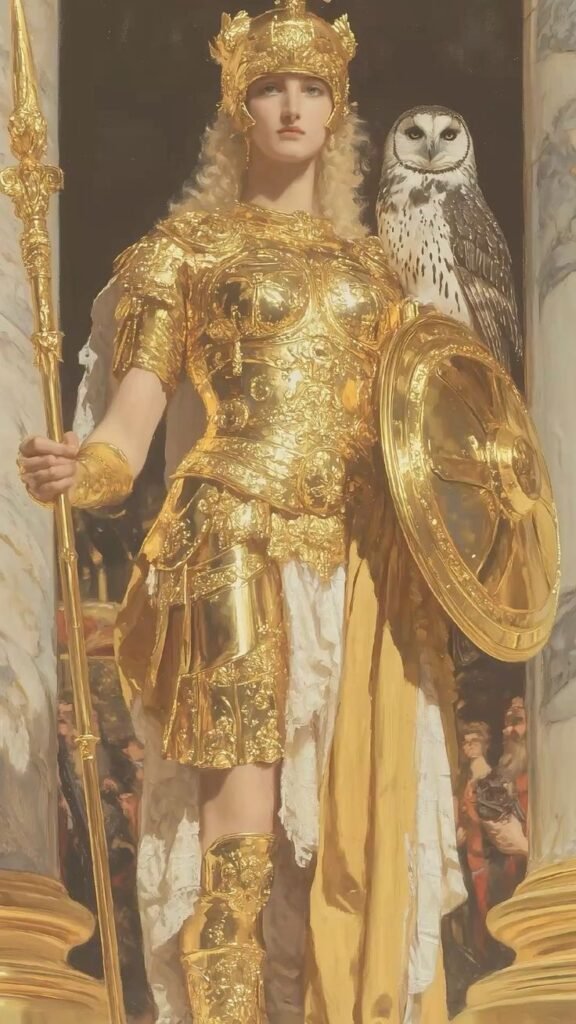
Owl: Symbolizing wisdom and knowledge. The owl often accompanied depictions of Athena in Greek art.
Olive tree: Representing peace, prosperity, and agricultural abundance. The olive tree was sacred to her, and Athens was said to have received the olive tree as a gift from Athena.
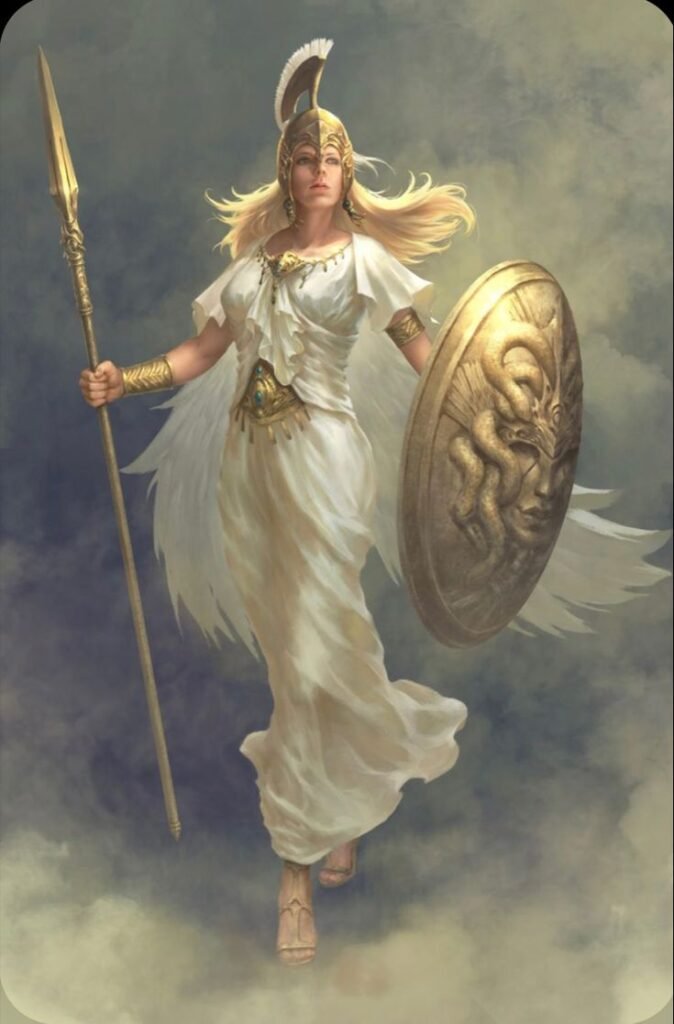
Aegis: A protective shield or breastplate, often featuring the head of Medusa, which Athena used to inspire fear in enemies.
Spear and Helmet: Representing her role as a goddess of strategic warfare rather than brute force.
These symbols highlight Athena’s unique balance of intellect, strategy, and martial skill.
Athena in Greek Mythology
Athena appears in numerous myths, illustrating her wisdom, bravery, and impartial judgment. Unlike gods such as Ares, who embodied violent aspects of war, Athena represented strategy, planning, and justice in battle.
Role in the Odyssey and Iliad
In Homer’s “Iliad”, Athena plays a critical role in guiding Greek heroes. She assists warriors like Odysseus and Diomedes, providing strategic advice and divine intervention during the Trojan War. Athena encourages disciplined and thoughtful approaches to combat rather than reckless aggression.
In Homer’s “Odyssey”, Athena is a constant protector of Odysseus, aiding him in returning home to Ithaca. She assists with clever strategies, disguise, and planning, emphasizing her role as a deity of intelligence and foresight. Her interventions demonstrate a combination of compassion and justice, guiding mortals through difficult challenges.
Athena and the Contest for Athens
Athena is famously connected to the founding of Athens. According to legend, she competed with Poseidon for the patronage of the city. Poseidon offered a saltwater spring (or a horse in some versions), symbolizing naval power, while Athena gifted the olive tree, symbolizing peace and prosperity. The citizens of the city chose Athena’s gift, valuing agriculture and wisdom, which established her as the city’s protector.
The Parthenon, the magnificent temple on the Acropolis, was built in her honor, reflecting her importance in Athenian society and religion. The Parthenon became a symbol of her wisdom, civic protection, and cultural influence.
Athena’s Role in Other Myths
Athena’s presence extends to many other Greek myths:
Medusa and Perseus: Athena aided Perseus in defeating the Gorgon Medusa, providing guidance and magical items such as the reflective shield. Athena’s intervention emphasizes her strategic approach to challenges.
Arachne: In the myth of Arachne, Athena challenged the mortal weaver who boasted she could surpass the goddess in skill. The story illustrates Athena’s association with craftsmanship and the consequences of hubris.
Odysseus and the Trojan War: Athena supported clever heroes who valued wisdom, discipline, and cleverness over raw strength, reinforcing her identity as a goddess of intellect and strategy.
Athena as a Virgin Goddess
Athena is one of the three virgin goddesses of Olympus, alongside Artemis and Hestia. She is often referred to as Parthenos, meaning “virgin” or “maiden.” This aspect represents her independence, rationality, and autonomy, distinguishing her from gods and mortals motivated by romantic or emotional desires. Her virginity also emphasizes her focus on civic duty, wisdom, and strategic pursuits.
Worship and Cult of Athena
Athena was widely worshiped across Greece, with Athens serving as the central hub of her cult. Her worship included both religious rituals and civic celebrations.
Temples and Sacred Sites
The Parthenon on the Acropolis of Athens is the most famous temple dedicated to Athena. Constructed during the 5th century BCE, it housed a giant statue of Athena Parthenos made by Phidias, a renowned sculptor. Other significant temples and sanctuaries were located in Troy, Sparta, and Corinth, reflecting her widespread veneration.
These temples often featured elaborate sculptures, friezes, and offerings, emphasizing Athena’s dual role as a goddess of wisdom and civic protection.
Festivals and Ceremonies
The Panathenaic Festival was a major celebration in Athens, held every four years to honor Athena. The festival included religious processions, athletic competitions, sacrifices, and cultural performances. Citizens presented gifts, such as finely woven peplos (robes), to the goddess, symbolizing devotion and reverence. The Panathenaia highlighted Athena’s role as a protector of the city and a promoter of cultural excellence.
Athena in Art and Literature
Athena is one of the most depicted figures in Greek art, representing both power and intellect.
Statues and Sculptures: Athena is often shown wearing armor, a helmet, and carrying a spear, emphasizing her strategic warfare abilities. The owl, a symbol of wisdom, is frequently depicted alongside her.
Pottery and Reliefs:
Ancient Greek pottery often portrays Athena in scenes of battle, guidance, and civic leadership, reflecting her multifaceted nature.
Literary Works: Beyond Homer, Athena appears in plays by Euripides and Sophocles, influencing heroes and resolving conflicts through wisdom and strategic insight.

Athena’s Legacy
Athena’s influence extends far beyond ancient Greece. She has shaped cultural, philosophical, and artistic traditions throughout history.
Influence on Philosophy and Education
As a goddess of wisdom and reason, Athena inspired Greek philosophers, writers, and educators. Her association with strategy, logic, and rational thought influenced classical education and the study of ethics, politics, and military science.
Modern Cultural References
Athena continues to appear in modern literature, films, and popular culture. She symbolizes intelligence, strategy, and justice, often invoked in discussions of leadership, civic responsibility, and female empowerment. Modern cities and institutions sometimes reference her as an emblem of wisdom and strategic vision.
Symbol of Feminine Strength
Athena embodies a unique combination of intellect, independence, and martial skill. Unlike other female figures in mythology, she is revered for her wisdom, strategic thinking, and civic dedication, making her a model of balanced leadership and empowerment.
Her virginity, rationality, and martial skill create a timeless archetype of strength without dependence on romantic or emotional narratives.

Conclusion
Athena is a complex and enduring figure in Greek mythology. As the goddess of wisdom, strategy, and warfare, she represents intelligence, skill, and rational decision-making. Through her myths, worship, and cultural legacy, Athena influenced not only ancient Greek society but also Western thought and artistic traditions.
From guiding heroes like Odysseus to protecting cities like Athens, Athena’s presence emphasizes the value of wisdom, justice, and strategic action. She remains a powerful symbol of intellect, independence, and civic virtue, celebrated in both historical and modern contexts. Athena’s combination of wisdom and martial prowess ensures her enduring relevance as a model of strength, strategy, and rational thought.