Sudan — a country so rich in history, culture, and potential — is bleeding again. The world is watching in muted horror as a new chapter of mass killing unfolds: a genocide not just of bodies, but of dreams, identity, and innocence.
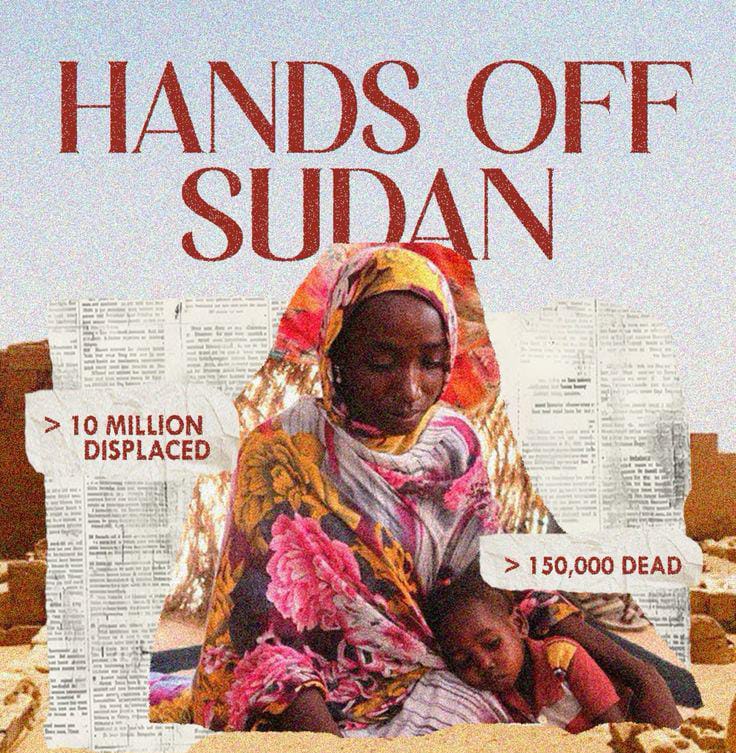
Since April 2023, the brutal civil war between Sudan’s military (the Sudan Armed Forces, SAF) and the paramilitary Rapid Support Forces (RSF) has escalated beyond a power struggle. It has become an atrocity so cruel and targeted that many are calling it genocide — because that is exactly what it is.
A Horror Reborn
Darfur, the cursed name that once echoed across global headlines in the 2000s, is burning again. The RSF (a force that evolved from the Janjaweed militias notorious for past massacres) is now accused, by both the U.S. government and international observers, of systematically murdering non-Arab ethnic groups — particularly the Masalit, Fur, Zaghawa, and Berti people.
In January 2025, the U.S. officially declared that the RSF’s actions in Darfur “constitute genocide.” This is not vague or symbolic language: they point to the deliberate killing of men and boys, widespread sexual violence, and the ethnic-cleansing of entire communities.
Meanwhile, the UN’s under-secretary on genocide prevention warns that the risk remains “very high” for more ethnic targeting.
The Human Toll: Faces, Not Just Numbers
The scale of destruction is gutting. According to reports:
Over 12 to 13 million people have been displaced.
Tens of thousands may already be dead; some models estimate the real death toll could be 150,000 or more, though the lack of access makes full verification nearly impossible.
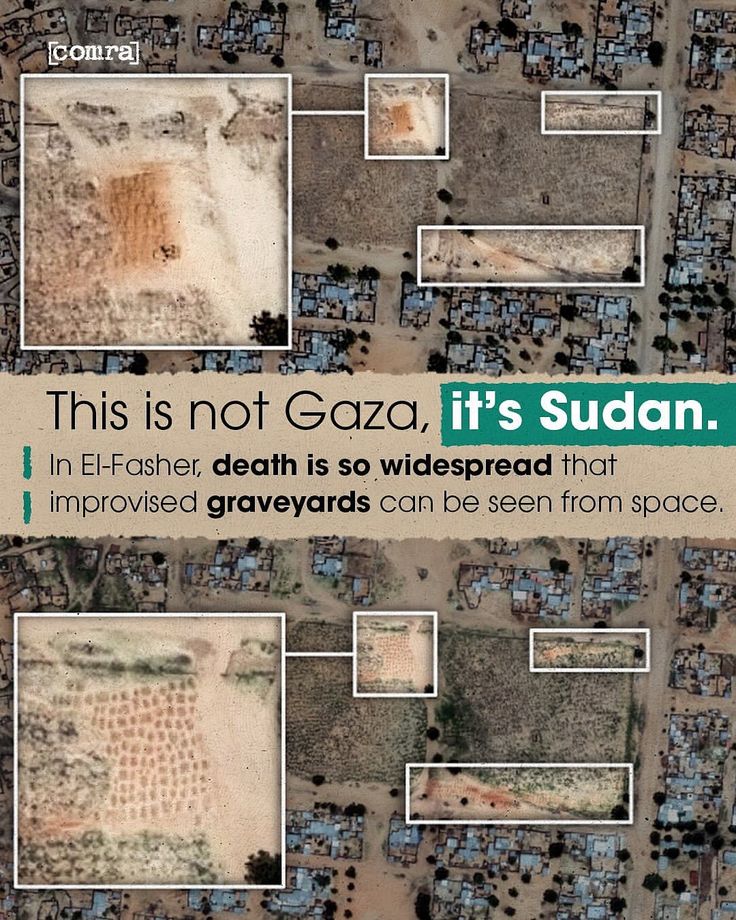
In El-Fasher — the last stronghold in Darfur — the RSF is accused of killing more than 1,500 people in just three days, calling it a “true genocide.”
At least 460 lives were lost in a single hospital — the Saudi Maternity Hospital — when RSF fighters allegedly executed patients, staff, and visitors.
In West Darfur’s Geneina region, the Ardamata massacre claimed between 800 and 2,000 lives, targeting notably the Masalit community.
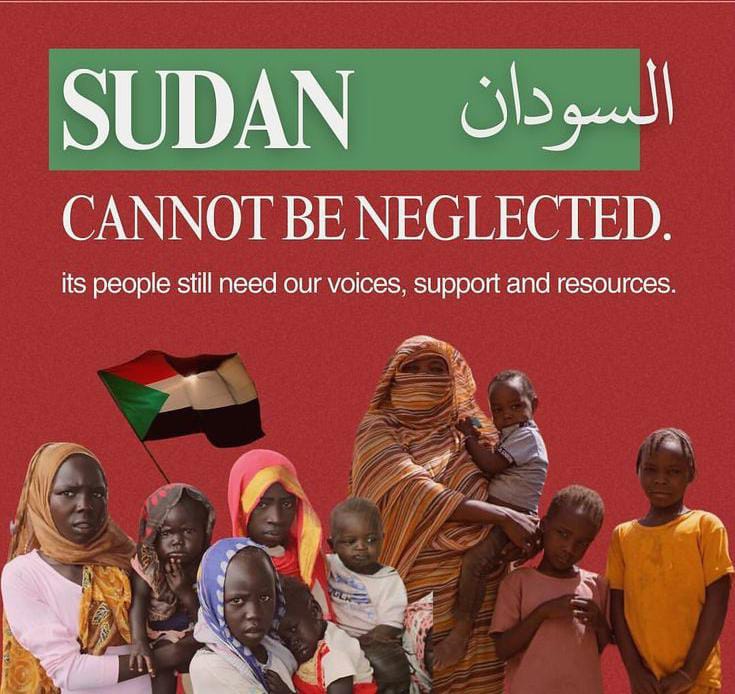
An ICC (International Criminal Court) deputy prosecutor has confirmed “reasonable grounds” to suspect war crimes, crimes against humanity — and possibly genocide — as massive civilian suffering continues.
Ethnicity as a Weapon
This is not random killing. The RSF is systematically targeting groups because of who they are — their ethnicity. Reports and investigations suggest a dangerous ideology is at play: Arab supremacism and a racist campaign of “Arabization.”
Civilians are not collateral damage — they are the target. Ethnic cleansing is no accident here: it is being carried out with horrifying efficiency.
Why the World Is Not Doing Enough
There is a monstrous hypocrisy in global silence. Two decades ago, the Darfur genocide captured headlines. Now, the world seems numb.
The United Nations has issued warnings.
The ICC is investigating.
Yet, millions remain trapped in a humanitarian nightmare, starving, injured, displaced — many with nowhere safe to flee.
It’s not just inaction. It’s selective outrage. The geopolitics are tangled: regional powers, oil and mineral interests, and deep-rooted racism all play their part.
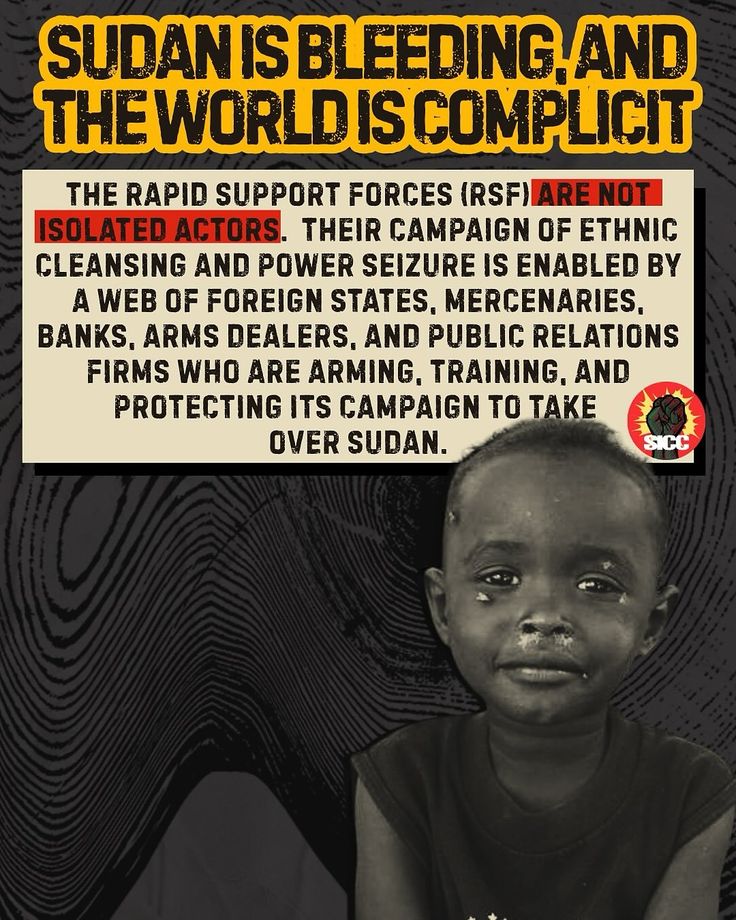
The RSF itself is tied to powerful networks. Its leaders are accused of profiting from gold and other resources, while weapons flow in from foreign backers. Meanwhile, global powers issue offers and sanctions — but no decisive intervention.
The Old Wound That Never Healed
This is not the first time Darfur has seen genocide. Between 2003 and 2005, Omar al-Bashir’s regime and its Janjaweed militias slaughtered up to 200,000 people from ethnic Darfuri groups. Now, the same communities are under siege once more.
History is not repeating — it is being allowed to replay.
A Plea for Mercy
How do you write about genocide without losing your soul? You start with mercy.
Mercy for the victims: mothers clutching children, survivors who have lost their families, men who were separated and executed, displaced people starving in camps.
Mercy for their memory: the world must remember their names, their stories, their humanity.
Mercy from the global community: the only way to stop genocide is to act — now. Aid is not enough. Accountability is not enough. Demanding justice must be paired with real diplomatic, financial, and moral pressure.
A Call to Outrage
If the story of Sudan fails to shock you, you are not alone — but something is deeply wrong.
We cannot pretend this is “civil war.” This is genocide. When a government or force targets people for who they are — not for what they have done — it’s not warfare. It’s slaughter.
To stay silent is to become complicit. To ignore is to erase.
What Must Happen Next
- International intervention must be serious. The UN, ICC, and world leaders cannot allow this to go on with moral statements alone.
- Sanctions must bite harder. Target not just individuals, but the financial and logistical networks that enable genocide.
- Safe corridors for civilians. Evacuation routes, humanitarian zones, and protected safe havens must be enforced.
- A global movement for Sudan. Activists, journalists, and ordinary people must amplify Sudan’s story — push for petitions, for media coverage, for political pressure.
Why This Matters to All of Us
Genocide in Sudan is not a distant tragedy. It’s a test of our humanity. If the world stands by and watches, what message are we sending? That some lives are less valuable? That some atrocities don’t demand response?
If we let Sudan burn again — we become a part of that fire.





Join the discussion One Comment