
The history of Sikhism is filled with extraordinary courage, unshakeable faith, and unmatched sacrifice. Among all the heroic chapters, the story of the Char Sahibzade — the Four Sons of Guru Gobind Singh Ji — stands as one of the most inspiring and spiritually powerful episodes. Their bravery, innocence, and commitment to righteousness continue to inspire millions across the world. The Sahibzade are not just historical figures; they are symbols of fearless devotion to the principles of justice, equality, and dharma.
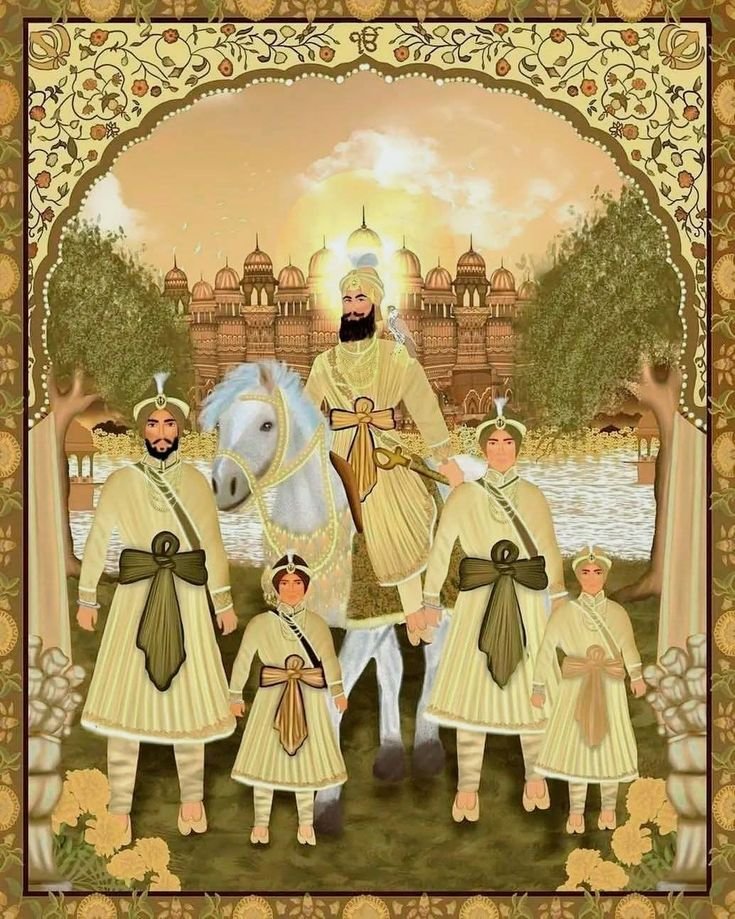
Who Are the Char Sahibzade?
The term Char Sahibzade refers to the four sons of Guru Gobind Singh Ji, the tenth Sikh Guru. They are remembered for their supreme sacrifices during the Mughal era. Despite their young age, they displayed remarkable courage in the face of tyranny.
The Four Princes of Sikhism
- Sahibzada Ajit Singh Ji (1687–1705) – Eldest son
- Sahibzada Jujhar Singh Ji (1691–1705) – Second son
- Sahibzada Zorawar Singh Ji (1696–1705) – Third son
- Sahibzada Fateh Singh Ji (1699–1705) – Youngest son
All four Sahibzade lived and died for the protection of dharma, humanity, and freedom.
The Legacy of Guru Gobind Singh Ji’s Household
Guru Gobind Singh Ji created the Khalsa Panth in 1699 to fight injustice and protect the innocent. His home was a training ground for spiritual strength and warrior discipline. Under his guidance, the Sahibzade grew up with the teachings of:
Fearlessness
Compassion
Standing against oppression
Faith in the Oneness of God (Ik Onkar)
Their determination was shaped not by royal luxury but by spiritual values and the commitment to defend righteousness.
https://truthfrontier.com/latest-disney-updates
The Brave Journey of the Elder Sahibzade
Sahibzada Ajit Singh Ji – The Young Commander
At just 18 years old, Sahibzada Ajit Singh Ji led Sikh warriors into battle. His leadership, discipline, and divine confidence made him one of the greatest young commanders in Sikh history.
Battle of Chamkaur Sahib
During the Mughal siege at Chamkaur Sahib, only 40 Sikhs stood against thousands of forces.
Sahibzada Ajit Singh Ji requested his father for permission to fight. Guru Gobind Singh Ji granted it proudly, saying:
“Go, my son, and uphold the honour of the Khalsa.”
Ajit Singh Ji fought valiantly and attained martyrdom, proving that age is no limit for divine courage.
Sahibzada Jujhar Singh Ji – The Fearless Warrior
Just after Ajit Singh Ji’s martyrdom, his younger brother Jujhar Singh Ji, only 14 years old, stepped forward.
Walking the Path of Sikhi Courage
Jujhar Singh Ji fought with immense bravery, showing the world that commitment to righteousness is more powerful than any army. Even Mughal commanders were shocked witnessing such young warriors fighting with unmatched spirit.
His martyrdom at Chamkaur Sahib remains a shining example of youthful heroism.
The Younger Sahibzade: Innocence Beyond Imagination
Sahibzada Zorawar Singh Ji and Sahibzada Fateh Singh Ji
Known lovingly in Sikh history as the Chotte Sahibzade, these two young princes are remembered as the youngest martyrs in the world.
The Captivity in Sirhind
After separation during the evacuation of Anandpur Sahib, the younger Sahibzade were taken to Sirhind, where they were imprisoned along with their grandmother, Mata Gujri Ji.
Despite their age (Zorawar Singh Ji was 9 and Fateh Singh Ji was 6), their faith remained unshakeable. The Mughal authorities attempted to convert them with promises of wealth, comfort, and safety.
But the Chotte Sahibzade replied with divine confidence:
“We are the sons of Guru Gobind Singh Ji. We can sacrifice our lives, but we cannot give up our faith.”
The Wazir Khan Verdict
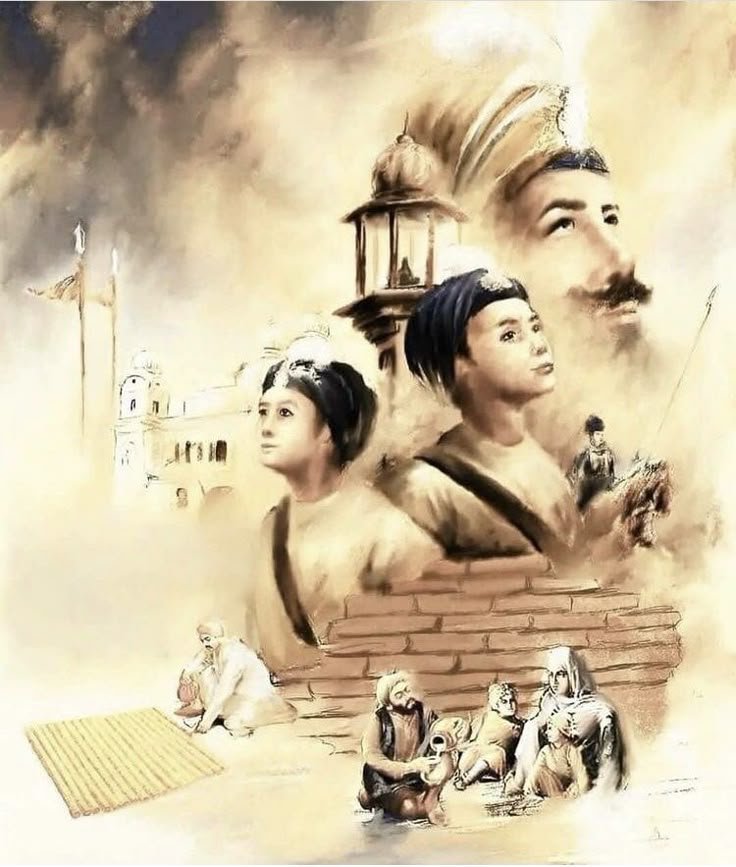
Wazir Khan, the Governor of Sirhind, ordered the young Sahibzade to be bricked alive for refusing to abandon Sikhism. This brutal sentence shook even the Mughal court members.
The Eternal Sacrifice
The younger Sahibzade were placed within the wall as it was constructed around them. Their courage was indescribable — they recited Gurbani, remembered Waheguru, and faced death without fear.
This event made them immortal in Sikh history, representing:
Purity
Innocence
Devotion
Unbreakable faith
Their grandmother, Mata Gujri Ji, also attained martyrdom on the same day due to the grief and harsh conditions of captivity.
The Panthic Significance of the Sahibzade
Why the Char Sahibzade Are Considered Spiritual Icons
The sacrifices of the four Sahibzade are not just historical episodes but core pillars of Sikh philosophy. They embody Chardi Kala, the state of eternal optimism and courage, regardless of adversities.
Core Values Reflected in Their Martyrdom
- Faith Over Fear – Even against empires
- Righteousness Over Life – Choosing dharma above survival
- Sacrifice Over Comfort – Upholding values at all costs
- Love Over Hatred – Sikhism teaches bravery with compassion
Their lives teach Sikhs to remain strong, truthful, and committed to justice.
Historical Accuracy and Sikh Sources
Recognised in Sikh Scriptures and Traditions
The stories of the Sahibzade are preserved in:
Gurdwara history records
Sikh oral traditions (katha & vaaran)
Historical Granths
Gurdwara Fatehgarh Sahib, Chamkaur Sahib, and Anandpur Sahib memorials
These sacred sites continue to educate millions about their courage.
Global Recognition of the Char Sahibzade
Inspiration for Generations
The story of the Char Sahibzade is taught worldwide in:
Sikh educational institutions
Gurdwaras
Cultural academies
Films, documentaries, and books
A Universal Message
Their message goes beyond religion. They stand for:
Human rights
Freedom of belief
Resistance against injustice
Protection of the innocent
This is why the Sahibzade are respected not only by Sikhs but by people of many cultures and faiths.
The Spiritual Relevance Today
Living Their Teachings in Modern Times
In today’s world, the Sahibzade inspire:
Standing for truth
Resisting oppression
Living a disciplined, spiritual life
Helping the weak
Maintaining inner courage
A Beacon of Hope
Their example shows that even in the darkest times, light, faith, and courage must prevail.
Conclusion: The Eternal Legacy of Char Sahibzade
The Char Sahibzade remain among the highest examples of bravery and spiritual strength in Sikh history. Their sacrifices shaped the future of Sikhism and established a legacy of courage that continues to guide millions. Their story is not only a reminder of the past but a blueprint for living with honour, truth, and unwavering faith.
Their legacy is eternal.
Their courage is divine.
Their sacrifices are the heartbeat of Sikhism.