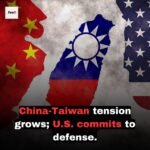
The ongoing tensions between China and Taiwan have intensified recently, creating significant concern across Asia and the world. Military exercises, cyberattacks, and diplomatic posturing have made the Taiwan Strait one of the most sensitive geopolitical flashpoints today. The situation affects not only the two sides but also regional security, global trade, and international diplomatic relations.
Historical Context of the China–Taiwan Dispute
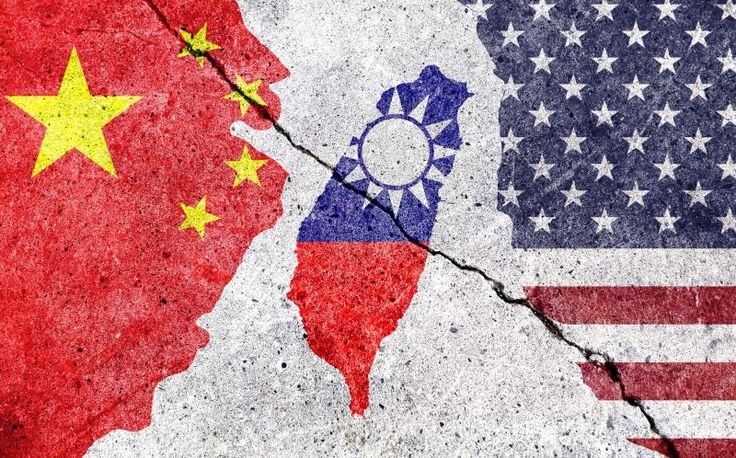
The dispute between China and Taiwan dates back to 1949, after the Chinese Civil War, when the Nationalist government retreated to Taiwan. Since then, China claims Taiwan as part of its territory, while Taiwan operates as a de facto independent democracy.http://www.truthfrontier.com
The disagreement has persisted for decades, with China threatening reunification by force if necessary, while Taiwan maintains its democratic system and resists external control. Most countries officially recognize the One China Policy, yet many maintain unofficial diplomatic and trade relations with Taiwan, further complicating regional dynamics.http://www.bbcnews.com
Recent Military Developments
China’s Large-Scale Exercises
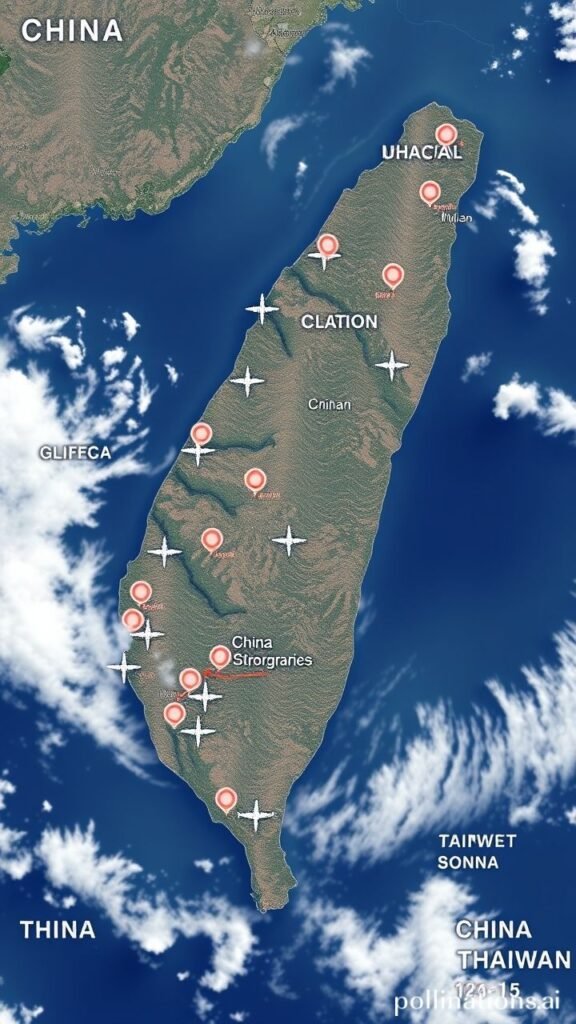
In late 2025, China conducted its largest military exercises near Taiwan, involving air, naval, and missile operations. These drills, described as defensive by Beijing, included live-fire exercises around the northern, southern, and eastern approaches to the island. The drills demonstrated China’s growing military capabilities and were interpreted as a warning against moves toward Taiwanese independence.
Taiwan considered the exercises provocative and destabilizing, with government officials emphasizing that they threaten regional peace and security.
Taiwan’s Defense Measures
In response, Taiwan increased military readiness, including air patrols, naval deployments, and missile exercises. The government also strengthened civil defense programs, ensuring that both military personnel and civilians are prepared for potential escalations. President Lai Ching‑te emphasized Taiwan’s commitment to its democratic system and the need for international support to maintain stability.
Cybersecurity Threats
In addition to conventional military pressure, Taiwan has faced a sharp rise in cyberattacks, attributed to Chinese actors. Government reports indicate millions of daily attempts to breach Taiwanese networks, targeting critical infrastructure such as energy grids, hospitals, banks, and telecommunications.
These attacks are seen as part of a hybrid strategy, combining digital disruption with military intimidation, designed to weaken Taiwan’s operational capacity and morale.
International Implications
U.S. Involvement
The United States continues to play a central role in the Taiwan situation. Recent arms sales and defense partnerships have increased Taipei’s deterrence capabilities. Washington maintains a policy of strategic ambiguity, promising support without specifying how it would respond to an armed conflict.
U.S. officials urge restraint and dialogue, warning that escalatory actions could destabilize the region and affect global security.
Regional Concerns
Neighboring countries, including Australia, Japan, and South Korea, have voiced concern over the situation. Australia described Chinese exercises as destabilizing, emphasizing that they could inflame tensions in the Indo-Pacific. Japan has increased surveillance and defense coordination to monitor developments, while Southeast Asian nations continue to advocate for peace and freedom of navigation.
Regional alliances, trade routes, and military relationships add complexity to the tensions, as multiple countries balance diplomacy, defense, and economic interests.
Taiwan’s Domestic Response
Taiwanese society has responded with a combination of resilience and preparedness. Public support for democratic governance remains strong, and civil defense programs have been expanded to improve emergency readiness. Taiwan’s government is investing in modernizing its military and enhancing cybersecurity to counter both physical and digital threats.
The legislative focus has been on defense modernization, balancing international cooperation with the need to maintain autonomy without provoking unnecessary conflict.
Economic and Strategic Significance
Taiwan is a critical hub in global supply chains, particularly for semiconductors and high-tech manufacturing. Any conflict or prolonged tension could disrupt international trade and technological supply networks. Global markets closely monitor the Taiwan Strait for its economic implications, as well as its potential impact on energy and commodity flows.
China’s proximity and Taiwan’s strategic importance make the region a key focus of international security planning, linking military, economic, and diplomatic concerns.
Potential Scenarios for the Future
Analysts outline several possible outcomes:
Continued Stalemate: Both sides maintain military readiness without direct conflict, relying on diplomacy and international pressure to manage tensions.
Enhanced Deterrence: Taiwan strengthens its defenses with foreign support, while China maintains displays of power to discourage independence movements.
Crisis Escalation: Miscalculations or incidents could lead to direct clashes, with unpredictable consequences for the region and global security.
The path forward depends on decisions made by China, Taiwan, and international partners, particularly the United States and regional allies.
The Global Perspective
China–Taiwan tensions have implications far beyond East Asia:
International Law: The situation raises questions about sovereignty, self-determination, and peaceful conflict resolution.
Alliance Dynamics: U.S. commitments and regional security partnerships influence China’s strategy and Taiwan’s defensive posture.
Economic Stability: Taiwan’s production capabilities affect global technology markets, making regional stability a matter of international economic interest.
The delicate balance in the Taiwan Strait remains crucial for both geopolitical stability and global commerce.
Conclusion
The China–Taiwan conflict remains one of the most sensitive and complex geopolitical issues today. Military drills, cyberattacks, and diplomatic tensions highlight the fragility of peace in the region. Taiwan continues to strengthen its defenses, while China demonstrates growing military power and strategic resolve.
International attention, particularly from the United States and regional allies, emphasizes dialogue and restraint to prevent escalation. The coming months will be decisive in determining whether the situation stabilizes or risks a more serious confrontation.
China–Taiwan tensions are not only a regional challenge but also a global concern, influencing security policies, trade, and international diplomacy. The careful navigation of this dispute will have lasting implications for peace and stability in the Indo-Pacific and beyond.