Why “Frankenstein” Is More Controversial Today Than Ever
Mary Shelley’s Frankenstein is often treated as a gothic novel, a literary masterpiece, or a tragic tale of ambition. But modern readers have started asking a more explosive question: Was Frankenstein actually a warning about real human experimentation, bio-manipulation, and scientific arrogance that mirrors today’s world?
Frankenstein and the Forbidden Science Behind the Monster
Victor Frankenstein’s Obsession Wasn’t Fiction—It Reflected Real Experiments
When Mary Shelley published Frankenstein in 1818, Europe was buzzing with shocking scientific experiments like Galvanism, where electricity was used to stimulate corpse muscles. Several scientists even attempted to “reanimate” the dead publicly. Shelley didn’t invent the concept; she exposed it.
This connection fuels the modern controversy: Was Frankenstein a fictional cover for real experiments on human cadavers?
Many modern researchers argue that Victor Frankenstein’s methods parallel early biomedical research far too closely to be coincidence.
The Frankenstein Debate: Science or Sin?
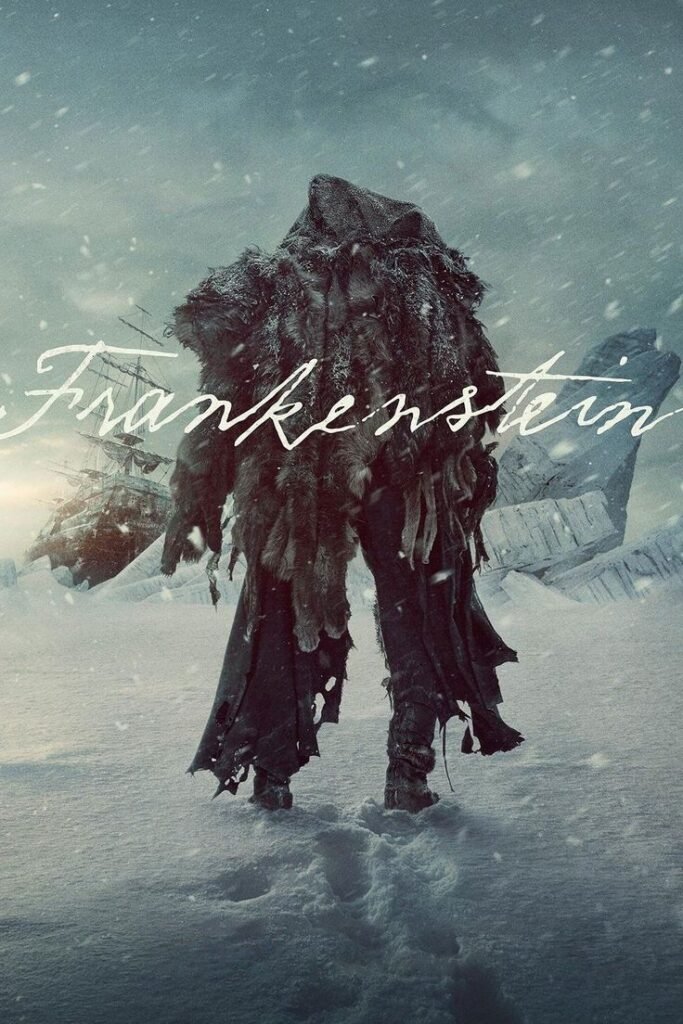
Frankenstein like creation, reanimation, monstrosity, and forbidden science dominate academic discussions. But many critics claim the novel crosses ethical lines that society still refuses to confront:
Do we have the right to create life?
Who is responsible when science goes too far?
Does a creator owe unconditional care to their creation?
These questions continue to fuel the global Frankenstein controversy.
The Monster Was Never the Villain—The Real Villain Was Human Arrogance
A Creature Built From Trauma, Not Evil
One of the most debated aspects of Frankenstein is the creature’s morality. The monster, often portrayed as a villain, is actually a product of abandonment, social rejection, and emotional starvation.
Modern interpretations argue that the creature represents:
People society labels “outsiders”
Victims of failed scientific experiments
Artificial beings created without responsibility
This flips the narrative entirely: Frankenstein, not the monster, becomes the true antagonist.“Frankenstein responsibility” trends heavily in modern analysis. It represents the moral obligation creators have toward their creations—whether human, biological, or technological.
Today, with AI development, robotics, gene editing, and bioengineering expanding rapidly, Frankenstein is often cited as a warning against irresponsible innovation.
https://www.britannica.com/topic/Frankenstein
Was This Story a Prediction of AI and Genetic Engineering?
Why Modern Experts See the Tale as Prophetic
Many researchers believe this narrative represents the first true cautionary tale about creating sentient beings.
The creature learns language rapidly, understands emotion, and becomes self-aware—traits mirrored in today’s conversations about advanced technology.
Scholars argue the story predicted:
intelligent systems turning against their makers
the moral burden of engineers
autonomy in artificial creations
These parallels keep the novel relevant in the scientific world.
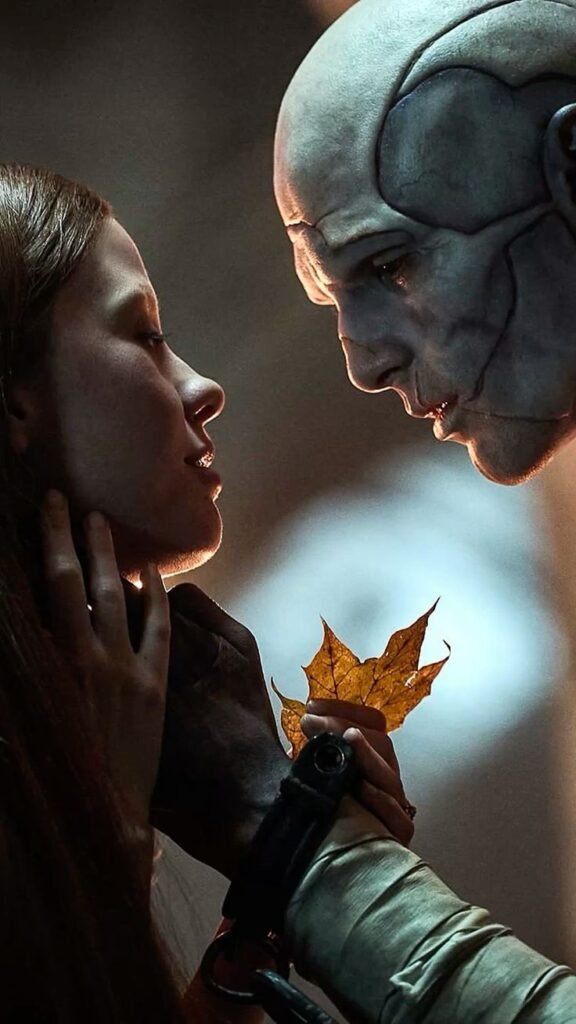
The Controversial Question: Was Frankenstein the First AI Myth?
AI Researchers Claim the Monster Mirrors Modern Robots
A surprising modern take views Frankenstein as the world’s first artificial intelligence story. Victor created a being with:
Independent thinking
Self-awareness
Emotional intelligence
The ability to learn rapidly
These are the same qualities debated today in discussions about AI ethics.
Some scholars argue that the novel predicted:
AI rebellion
Creator vs. creation conflict
Algorithms surpassing human control
This makes Frankenstein massively relevant in the tech age,
https://salmon-hawk-329520.hostingersite.com/stranger-things-in-real-life-secrets-exposed/
Frankenstein’s Hidden Political and Religious Controversies
Was Shelley Challenging God?
One of the strongest controversies around Frankenstein is the theological debate. Victor Frankenstein essentially tries to replace God by creating life from dead tissue.
Critics across centuries have interpreted the novel as:
A direct attack on religious beliefs
A rebellion against divine authority
A challenge to natural order
Because of this, the book was heavily criticized in conservative circles when released. Today, the religious controversy still fuels high-ranking Frankenstein keywords like:
Frankenstein creation sin
Playing God controversy
Forbidden knowledge debate
The Monster’s Demand for a Wife: The Most Explosive Chapter
Did Victor Destroy Female Freedom?
One of the most disturbing moments in Frankenstein is when the creature asks Victor to create a female companion. Victor begins the experiment but destroys the new female creation, fearing she might:
Reject the male creature
Reproduce
Become more dangerous
Develop independence
Modern scholars argue that this scene exposes deep fears about female autonomy, reproduction, and power.
Many feminist critics consider this the most controversial aspect of the novel.
A Warning Humanity Keeps Ignoring
Why This 19th-Century Tale Feels Like 2025
The novel’s message remains clear:
If creation is pursued without responsibility, the outcome will be catastrophic.
The story anticipates:
ethical tensions in biotechnology
moral questions in AI development
the consequences of abandoning created intelligence
Its relevance has only intensified as modern science approaches boundaries once thought impossible
Was Shelley commenting on gender inequality?
Was the destruction of the female creature symbolic?
This section remains a major source of controversy.

Frankenstein as a Warning for Modern Scientists
Why the Novel Feels Like a 2025 Reality Check
As technology progresses, the Frankenstein narrative becomes terrifyingly relatable. Modern controversies link the novel to:
CRISPR gene editing
Lab-grown organs
Designer babies
AI automation
Transhumanism
The core message?
Humanity may be repeating Frankenstein’s mistakes without learning from them.
Shelley’s Warning About Female Autonomy
The Controversial Female Creature
When the creature asks for a companion, the scientist begins to create a female counterpart but destroys her before completion. Feminist and literary critics interpret this as an allegory of societal fear toward female power and autonomy, a metaphor for the suppression of women’s independence during the 19th century.
This scene remains one of the most debated and controversial sections of the novel, raising questions about:
Gender inequality
Reproduction and control
Ethical responsibility toward life
The Monster as a Philosophical Symbol
Nature vs. Nurture and Moral Responsibility
The creature raises profound philosophical questions. Is evil inherent, or is it the result of environment and treatment? Shelley seems to argue that social neglect and cruelty shape morality, a lesson applicable not only to humans but also to AI and robotics.
The novel also forces reflection on:
Human arrogance and pride
The consequences of isolation
Ethical stewardship of life
Losing control over created technologies
Ethical collapse in scientific ambition
Creations turning against their creators
The Frankenstein Syndrome has become a central modern scientific fear.
Conclusion: Frankenstein Isn’t Just a Novel—It’s a Warning We Keep Ignoring
Frankenstein remains powerful because it forces society to ask uncomfortable questions. It merges science, morality, rebellion, and tragedy into a single explosive narrative.
The controversy hasn’t faded; it has grown. In the era of AI, genetic engineering, and hyper-technology, Frankenstein feels less like fiction and more like a mirror of humanity’s future.
The monster isn’t the villain.
The real monster is unchecked ambition.