Introduction
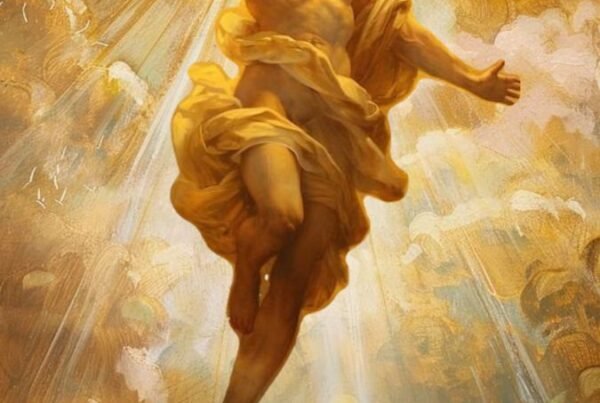
Maghi is one of the most important festivals in Punjab, deeply connected to the region’s culture, agriculture, and Sikh history. Celebrated every year in mid-January, Maghi marks the beginning of a new solar month and holds special religious meaning for Sikhs. While it is linked to the harvest season and seasonal change, Maghi is also remembered as a day of bravery and sacrifice. Over time, the festival has become a symbol of gratitude, courage, and spiritual renewal.
What Is Maghi
Meaning of Maghi
Maghi is celebrated on the first day of the month of Magh in the traditional Punjabi and Indian solar calendar. This day usually falls on January 14 or 15. It follows the festival of Lohri and represents the formal beginning of a new agricultural and spiritual cycle.http://www.truthfrontier.com
Connection to Nature
Maghi reflects the transition of the Sun into a new position that brings longer days and gradual warming. Farmers see this time as a sign of hope, growth, and prosperity after the cold winter period.http://www.sgpc.com
Historical Background of Maghi
Ancient Roots
The roots of Maghi go back thousands of years. In ancient India, the movement of the Sun was closely observed because it affected farming, climate, and daily life. The arrival of the Magh month was seen as an auspicious period for spiritual reflection and religious activities.
Maghi in Sikh History
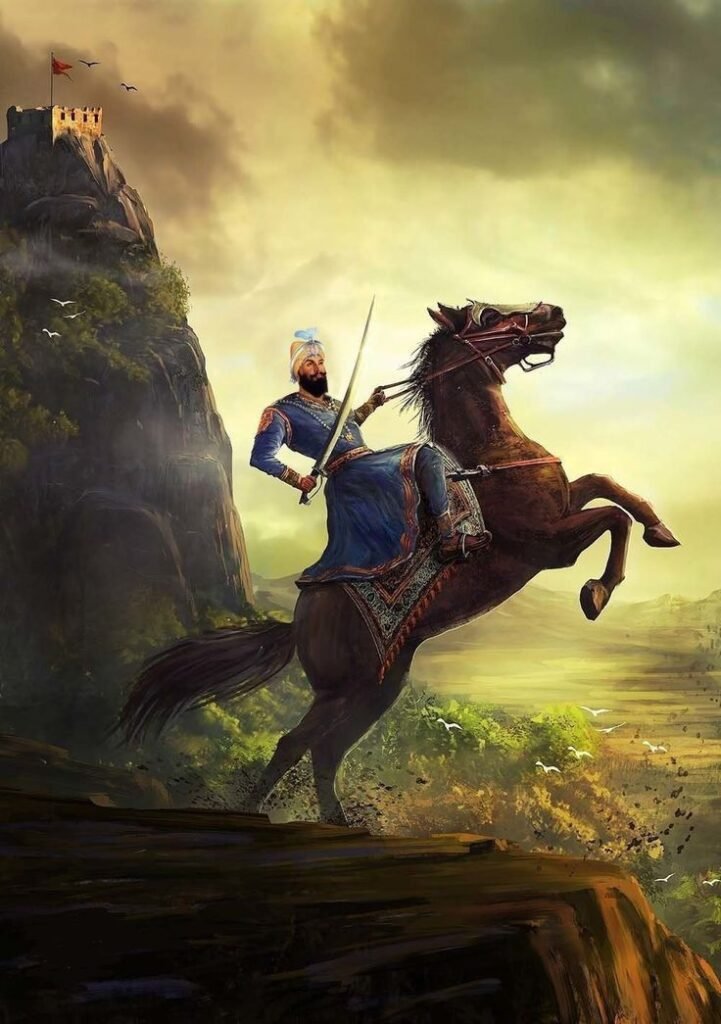
Maghi holds special importance in Sikhism due to its connection with a heroic event in Sikh history. In 1705, during the time of Guru Gobind Singh Ji, forty Sikh warriors who had earlier left the Guru returned to fight for him against Mughal forces. These brave men fought courageously and gave their lives at Muktsar.
Because of their sacrifice, Guru Gobind Singh Ji blessed them and called them the Chali Mukte, meaning the Forty Liberated Ones. Maghi is celebrated in their memory, especially in Muktsar, which has become a major pilgrimage site.
Maghi at Muktsar Sahib
Religious Gatherings
Every year, thousands of Sikhs gather at Sri Muktsar Sahib on Maghi to honor the Chali Mukte. Devotees take a holy dip in the sacred sarovar, attend prayers, and listen to kirtan and religious discourses.
Spiritual Importance
The festival reminds Sikhs of loyalty, courage, and devotion. It teaches that even if someone makes mistakes, they can return to the path of righteousness through bravery and faith.
Cultural Importance of Maghi in Punjab
Seasonal Celebration
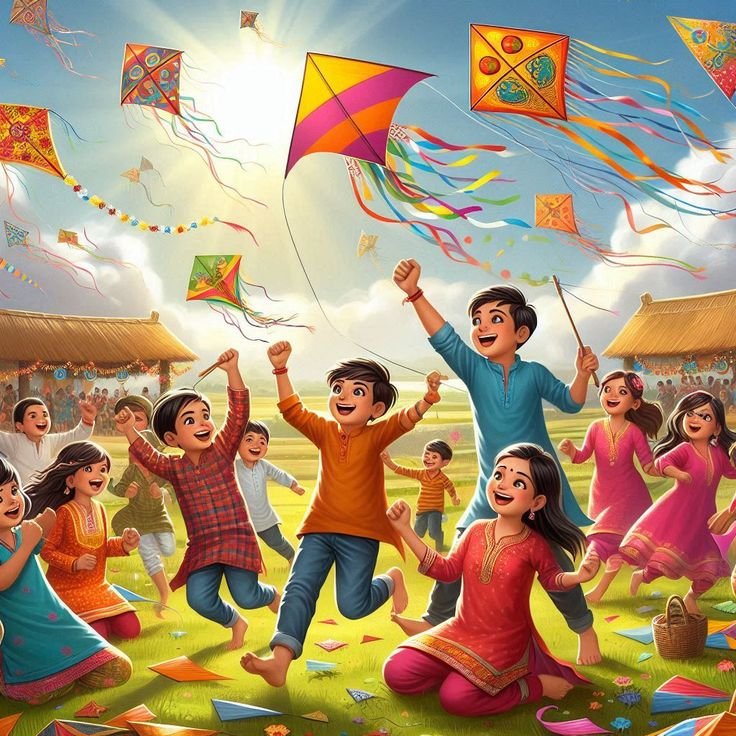
Maghi marks the end of winter and the beginning of a more favorable season. Farmers feel relief as days become warmer, and crops such as wheat grow stronger. The festival symbolizes hope for a good harvest.
Community Bonding
People visit relatives, exchange greetings, and participate in fairs and religious events. The sense of unity and shared history strengthens community ties.
Traditional Foods of Maghi
Special Punjabi Dishes
Maghi is associated with warm and nourishing foods. People prepare dishes such as kheer, khichdi, makki di roti, and sarson da saag. These foods provide energy during winter and are shared with family and neighbors.
Langar in Gurdwaras
Gurdwaras organize langar, offering free meals to everyone regardless of background. This reflects the Sikh values of equality, sharing, and service.
Spiritual Practices on Maghi
Prayer and Reflection
Many people begin the day by visiting gurdwaras and offering prayers. Maghi is considered an auspicious time for spiritual growth and inner discipline.
Taking New Resolutions
Some Sikhs choose Maghi as a time to renew their faith and make commitments to live a more truthful and disciplined life.
Relationship Between Lohri and Maghi
Two Parts of One Season
Lohri and Maghi are closely connected. Lohri, celebrated the night before Maghi, marks the end of winter’s harshness. Maghi then begins the new phase of growth and renewal.
Cultural Continuity
Together, Lohri and Maghi represent the cycle of nature and human life—ending hardship and welcoming new opportunities.
Maghi in Modern Punjab
Continued Traditions
Despite modern lifestyles, Maghi continues to be celebrated with great respect. Families, schools, and religious institutions keep the traditions alive through events and educational activities.
Festivals and Fairs
Large fairs in Muktsar and other parts of Punjab attract visitors who enjoy cultural performances, food stalls, and spiritual gatherings.
Social and Moral Lessons of Maghi
Courage and Loyalty
The story of the Chali Mukte teaches people to stand up for truth even when circumstances are difficult.
Forgiveness and Redemption
Maghi also carries a message of forgiveness. The warriors were welcomed back by Guru Gobind Singh Ji, showing that sincere repentance and bravery lead to honor.
Educational Importance
Teaching History
Schools and religious institutions use Maghi to teach students about Sikh history and moral values.
Preserving Heritage
By celebrating Maghi, Punjabi society preserves its spiritual and cultural heritage for future generations.
Global Recognition
Celebration Outside Punjab
Sikh communities around the world celebrate Maghi in gurdwaras, keeping their cultural identity alive.
Sharing Punjabi Culture
Through Maghi, people from other cultures learn about Sikh values, bravery, and traditions.
Conclusion
Maghi is more than a seasonal festival in Punjab. It represents history, faith, sacrifice, and renewal. From its ancient agricultural roots to its deep connection with Sikh bravery at Muktsar, Maghi holds powerful meaning for millions. By celebrating Maghi, people honor courage, express gratitude for nature, and renew their commitment to truth and unity. The festival continues to inspire generations, reminding them that even in difficult times, faith and bravery lead to victory.