
Introduction
🗓 The month of November holds a special place in world history and cultural traditions. Positioned as the eleventh month of the year, November marks a transition from autumn to winter in many parts of the world. But beyond weather, November carries a rich historical, cultural, and political significance. Many important global events, independence movements, scientific innovations, and historic changes took place in this month.
In this article, we explore the history of November, important global events, festivals, national days, cultural symbolism, and notable personalities associated with the month.
Origin of the Name “November”
The name November comes from the Latin word “Novem”, meaning nine.
In the ancient Roman calendar, the year began in March, making November the ninth month.
After January and February were later added, November became the eleventh month, but the name remained unchanged.
This historical connection explains why many English month names are still linked to old Roman numbering.
Seasonal Importance of November
November signifies change:
| Region | Seasonal Meaning |
|---|---|
| Northern Hemisphere | End of autumn, beginning of winter |
| Southern Hemisphere | End of spring, beginning of summer |
| Western Countries | Month of harvest festivals |
| Asian Subcontinent | Festival month + start of winter crops |
This makes November a month of transformation, harvest, and reflection.
Major Historical Events That Happened in November
1. End of World War I (11 November 1918)
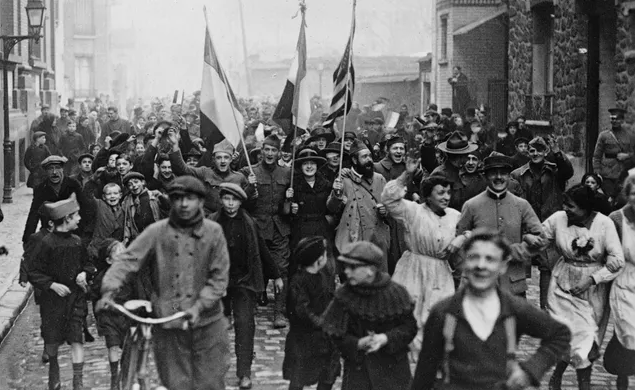
The Armistice was signed on 11 November, ending the First World War.
This day is still observed as:
- Armistice Day
- Remembrance Day
- Veterans Day (USA)
to honor soldiers who served in the war.
2. Fall of the Berlin Wall (9 November 1989)
The Berlin Wall, which separated East and West Germany, was opened on 9 November, marking the symbolic end of the Cold War and leading to German reunification.
3. Indian Constitution Adoption (26 November 1949)
India adopted its Constitution on 26 November, celebrated as Constitution Day or National Law Day.
4. Leonardo da Vinci’s Helicopter Concept (15 November 1483)
Leonardo sketched early designs that inspired the modern helicopter, proving November’s relevance in scientific creativity.
5. Discovery of King Tut’s Tomb (4 November 1922)
The tomb of Tutankhamun was discovered in Egypt, creating worldwide interest in archaeology and ancient civilizations.
Important Festivals and Celebrations in November
November is known as a month of festivals and cultural gatherings across the world:
| Festival / Day | Region | Significance |
|---|---|---|
| Diwali (often falls in November) | India | Festival of Light and new beginnings |
| Guru Nanak Jayanti | India | Birth anniversary of Guru Nanak Dev Ji |
| Thanksgiving | USA & Canada | Expression of gratitude and family celebration |
| Chhath Puja | North India | Worship of Sun God and nature’s blessings |
| Advent Season Begins | Christian Communities | Preparation for Christmas |
| World Kindness Day (13 Nov) | Global | Promoting kindness and compassion |
National and International Days in November
Key globally recognized awareness days:
| Date | Observance | Purpose |
|---|---|---|
| 1 November | World Vegan Day | Awareness about cruelty-free lifestyle |
| 7 November | Infant Protection Day | Health awareness for infants |
| 11 November | Remembrance Day | Honoring war veterans |
| 13 November | World Kindness Day | Encourage kindness in society |
| 14 November | Children’s Day (India) / Diabetes Day | Importance of child welfare & health |
| 19 November | International Men’s Day | Celebrate men’s positive contributions |
| 26 November | Constitution Day of India | Adoption of Indian Constitution |
| 30 November | St. Andrew’s Day | Cultural day in many countries |
Birth Anniversaries of Prominent Personalities in November
| Date | Personality | Contribution |
|---|---|---|
| 2 November | James K. Polk | 11th President of the USA |
| 7 November | C.V. Raman | Nobel Prize-winning Indian physicist |
| 14 November | Jawaharlal Nehru | India’s first Prime Minister |
| 22 November | Charles de Gaulle | French military leader & statesman |
| 30 November | Winston Churchill | British wartime Prime Minister |
Symbolism of November
November symbolizes:
- Reflection (preparation before year-end)
- Gratitude (Thanksgiving)
- Spiritual renewal (Guru Nanak Jayanti, Diwali)
- Transition (seasonal change)
- Respect for history (Remembrance Day, Constitution Day)
This makes November a month of memory, maturity, and mindful living.
Conclusion
The history of November is rich with cultural, political, scientific, and spiritual significance. From major global events like the end of World War I and the fall of the Berlin Wall to culturally meaningful celebrations like Diwali, Chhath Puja, and Thanksgiving, November reminds us of gratitude, reflection, and unity.
Whether we look at the historical timeline, festivals, or important days, November teaches us that change is a natural part of life—and every ending holds the seed of a new beginning.



Join the discussion One Comment