Introduction: When Rumors Become Seismic Shocks
For years, earthquakes have been understood as regional disasters—violent but localized. Yet recently a strange, unsettling narrative has exploded across social media, fringe science blogs, conspiracy forums, and even dinner-table conversations: “The whole Earth is expected to face a massive global earthquake.”
While mainstream geologists reject the idea outright, saying tectonic plates cannot synchronize in such a way, others argue that the planet has entered an “unpredictable seismic era.”
This article explores the science, speculation, fear, controversy, and drama behind this viral prediction—without endorsing any false claims, but capturing the debates shaking public consciousness.
The Rise of the ‘Global Earthquake’ Theory
Why Is This Idea Trending Worldwide?
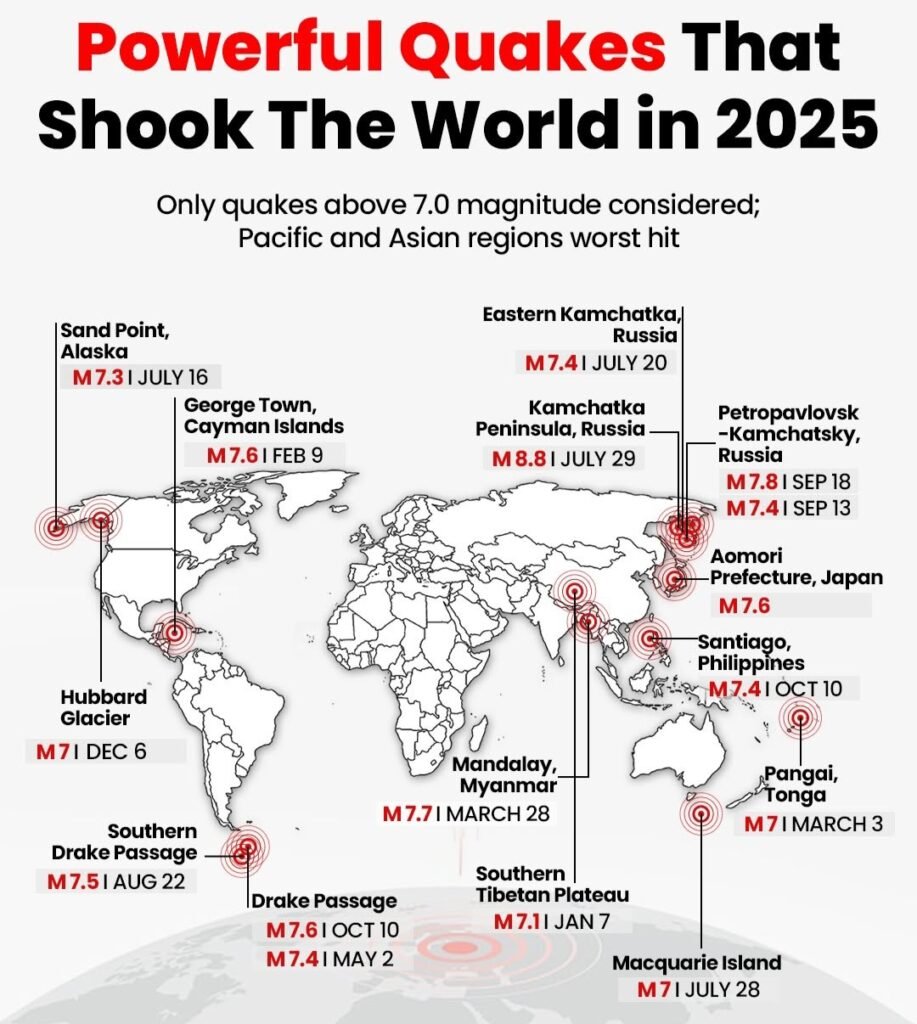
In the age of sensational content, theories spread faster than tremors. The concept of a planet-wide earthquake exploded after a series of closely timed quakes hit different regions—Japan, Chile, Indonesia, Turkey, Mexico, Nepal, Afghanistan, and small tremors in Europe and Africa.
The coincidence of such events led some creators to claim these are “warning shocks” before the Earth “realigns itself.”
Are People Reacting to Patterns—Or Creating Them?
Humans naturally search for meaning in chaos. Seeing earthquakes occurring weeks apart in different countries triggers the illusion of a global pattern, even if scientifically unrelated. This psychological tendency fuels most doomsday predictions in history.
https://www.usgs.gov/natural-hazards/earthquake-hazards
Scientific Perspective—What Geologists Actually Say
Tectonic Plates Don’t Work Like That
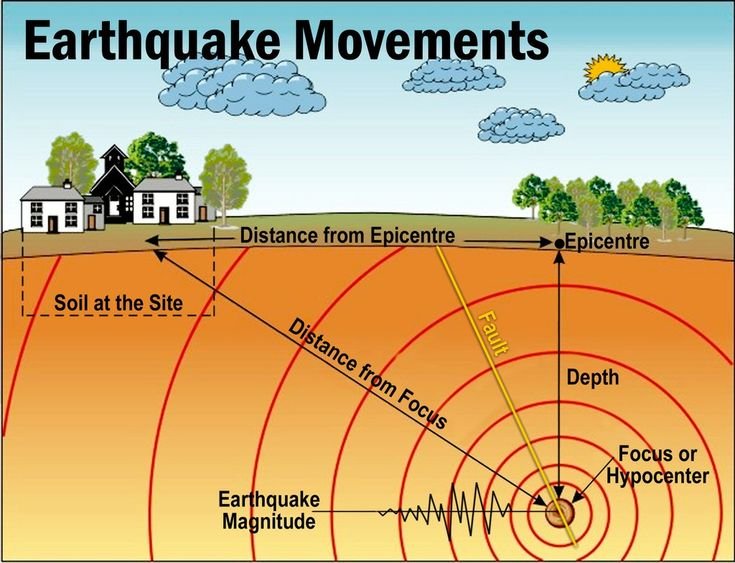
Experts maintain that a global, simultaneous earthquake is structurally impossible because Earth’s tectonic plates move independently. Stress buildup varies across regions and cannot synchronize to produce a planet-wide rupture.
But Can Larger Cycles Make Quakes More Frequent?
Yes—scientists acknowledge that long-term cycles, such as:
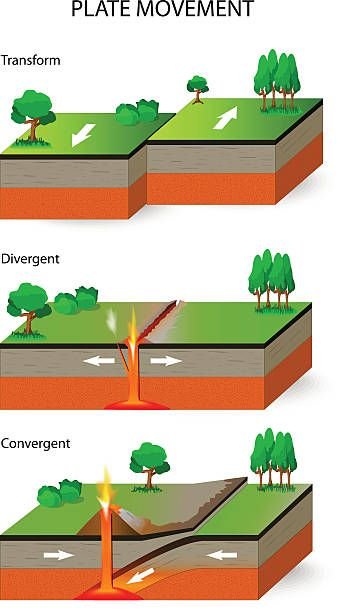
Plate subduction stress
Solar activity influencing Earth’s magnetic field
Melting ice caps shifting weight distribution
Deep mantle convection
…may indirectly alter seismic activity. But they reject the idea of a “single global mega-quake.”
Still, ambiguity in nature leaves just enough space for controversy to flourish.
https://salmon-hawk-329520.hostingersite.com/latest-disney-updates
The Controversial Argument: Planetary Stress is Increasing
When Nature Pushes Back
Some independent researchers—many with no formal geological background—argue that Earth is entering a global stress phase. They claim:
Rapid climate change is altering pressure on the crust
Oceans are becoming heavier due to rising temperatures
The rotation of Earth is slightly slowing
Magnetic field fluctuations are affecting tectonic balance
Mainstream science calls these claims exaggerated. But the conversation continues, loud and heated.
The ‘Chain-Reaction’ Earthquake Hypothesis
This fringe theory states that one major quake can trigger others across distant regions by altering planetary vibrations.
While real scientists note that very large quakes can affect stress in nearby zones, the idea of a domino effect across continents remains unsupported.
Still, controversy makes headlines—especially when fear is involved.
Historical Patterns Fuel the Fear
When the Past Looks Too Similar to the Present
Every few decades, Earth experiences waves of high seismic activity.
Examples include:
The early 1900s global cluster
The 1950s–60s massive Pacific Ring quakes
The 2000s–2010s South Pacific–Indian region spikes
These patterns spark debates about whether the early-mid 2020s are repeating the same cycle.
When History Echoes, Conspiracies Whisper
Conspiracy theorists argue that these repeated patterns signal an upcoming “planetary reset,” claiming governments secretly know more.
No proof exists—but controversy rarely needs evidence to thrive.
Internet Speculation: Fuel to the Seismic Fire
Viral Doomsday Predictions
Every time a major earthquake trends, social platforms erupt with:
Prophecies
Psychic predictions
“Hidden government documents”
“NASA warnings” (which NASA never issued)
Dramatic AI-generated maps
These posts gain millions of views, not because they’re accurate, but because they’re sensational.
Deepfake Scientists and Fabricated Data
In 2025 alone, dozens of deepfake videos circulated featuring AI-generated “scientists” claiming a global quake was imminent.
Their confident tone and fake credentials fooled millions.
This digital chaos is a major reason the theory refuses to die.
Climate Change Links—Real or Exaggerated?
The Melting Ice Theory
Some researchers propose that melting glaciers remove weight from the crust, causing rebound and microquakes.
This is true in specific local regions, not globally.
The Ocean-Pressure Argument
As oceans warm, they expand, adding slight pressure to tectonic boundaries.
But this effect is minuscule—nowhere near enough to trigger a planet-wide earthquake.
Yet online influencers often twist these subtle facts into dramatic predictions.
Why People Want to Believe Something So Extreme
Fear Sells
People are drawn to dramatic, catastrophic narratives because they:
Create emotional intensity
Offer a sense of predictability in chaos
Generate online attention
Fit into apocalyptic worldviews
The Comfort of Imagined Patterns
Believing “something big is coming” can feel oddly soothing compared to accepting that earthquakes are random and uncontrollable.
The Political Angle—When Governments Enter the Rumor
Disaster Preparedness Used as Fuel
Several governments increased earthquake-readiness after devastating events in recent years.
Emergency drills, early-warning systems, and public advisories were misinterpreted by some citizens as “proof” of upcoming global disaster.
Crisis Narratives Become Political Weapons
Opposition parties in different countries have accused ruling governments of hiding “global seismic intelligence.”
No such evidence exists—but controversy is a powerful tool in electoral strategy.
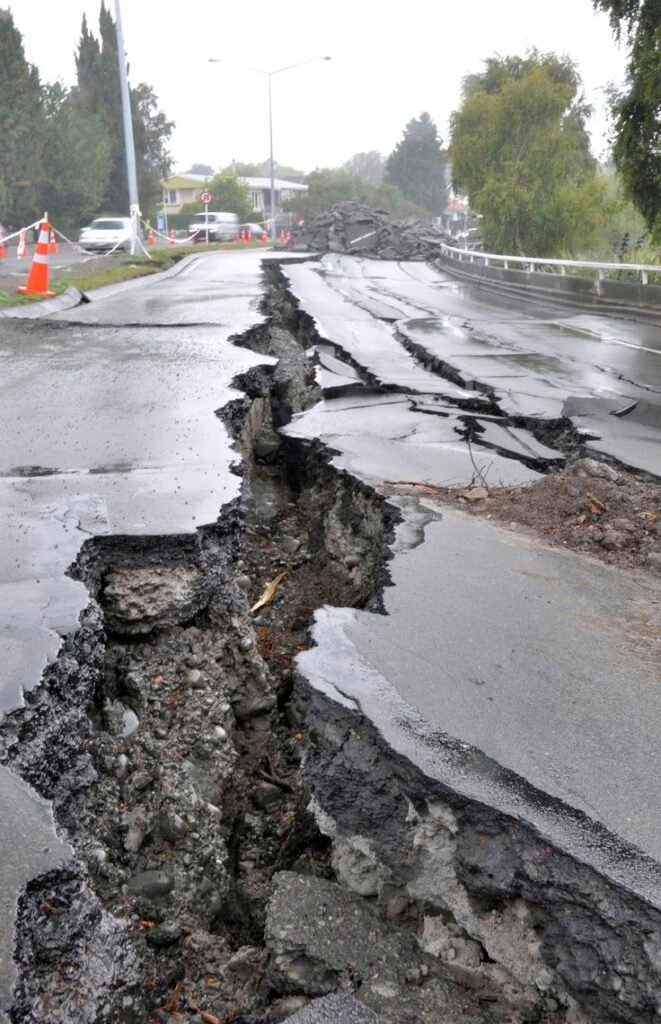
So, Can a ‘Whole Earth Earthquake’ Really Happen?
The Scientific Bottom Line
No—there is no mechanism for a simultaneous planet-wide earthquake.
Earthquakes remain regional, triggered by local stresses, not global synchronization.
What Is Real and Worth Noting
Seismic activity is rising in some regions
Climate and environmental factors may influence minor shifts
Some decades are naturally more active than others
Preparedness is always wise, regardless of predictions
None of this means a planetary quake is coming.
Conclusion – A World Shaken Not by Earthquakes, but by Theories
The idea that the entire Earth is expecting a massive global earthquake is a mixture of misinterpreted data, pattern-seeking psychology, digital misinformation, and the human hunger for dramatic narratives.
While the theory is scientifically unsupported, the controversy surrounding it reveals something deeper—people are anxious, connected, and ready to believe anything that breaks through the noise of everyday life.
In the end, the real tremor shaking the world isn’t beneath our feet—it’s in our minds, our fears, and our overflowing digital imagination.