
Introduction
The Apollo Moon missions remain one of the most significant achievements in human history. Between 1969 and 1972, NASA successfully landed astronauts on the Moon and returned them safely to Earth. Despite extensive documentation, physical evidence, and eyewitness accounts, the Apollo missions have been surrounded by conspiracy theories for decades. These theories question whether humans truly walked on the Moon or whether the missions were staged. This article explores the origin of Apollo conspiracy theories, the claims behind them, and the scientific and historical evidence that addresses those claims.
Background of the Apollo Program
Origins of the Apollo Missions
The Apollo program was launched by NASA in the early 1960s as part of the Cold War space race between the United States and the Soviet Union. Following President John F. Kennedy’s 1961 declaration to land a man on the Moon before the decade’s end, massive resources were dedicated to space exploration.http://www.truthfrontier.com
Timeline of the Missions
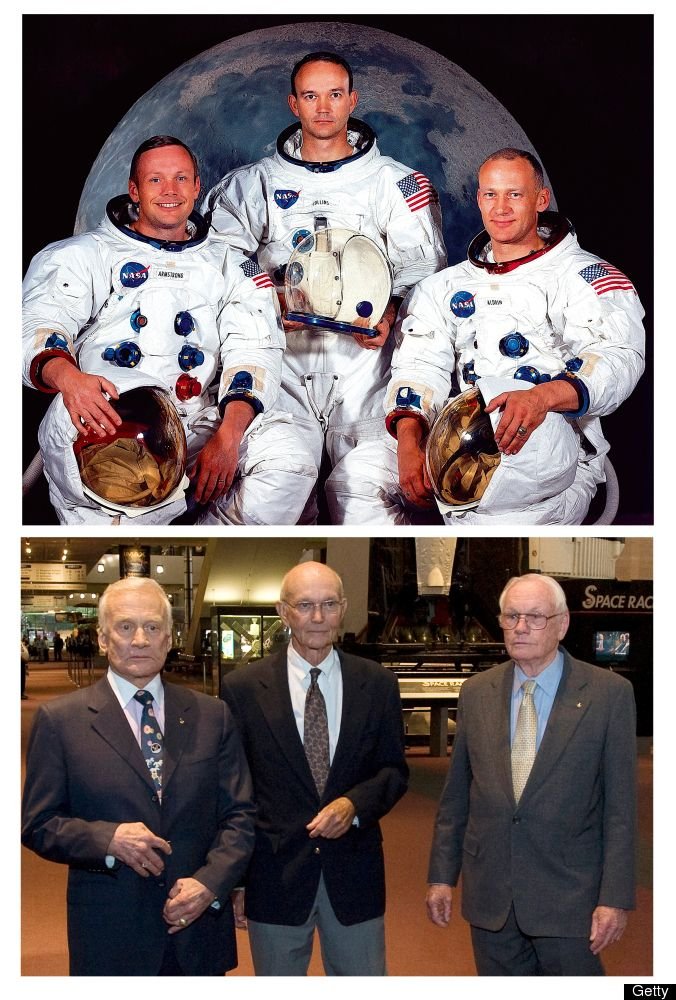
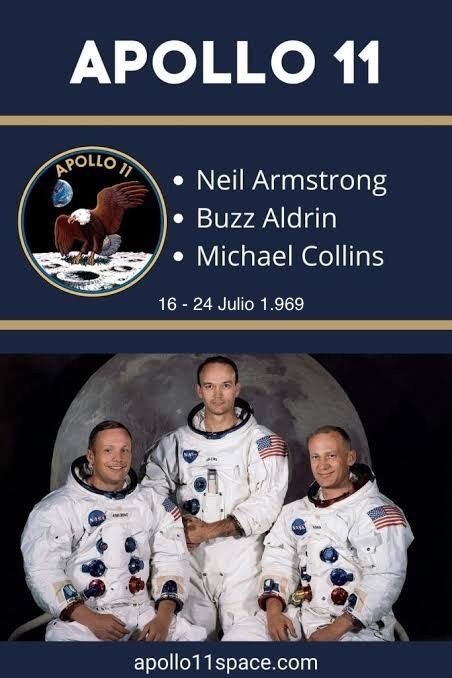
Apollo 11 achieved the first Moon landing on July 20, 1969, with astronauts Neil Armstrong and Buzz Aldrin walking on the lunar surface. In total, six Apollo missions successfully landed humans on the Moon. These missions involved over 400,000 scientists, engineers, and technicians.http://www.apollo11.com
Origin of Apollo Moon Landing Conspiracy Theories
Rise of Public Doubt
Conspiracy theories gained popularity during the 1970s, a period marked by declining public trust in government institutions. Events such as the Vietnam War and political scandals fueled skepticism, making extraordinary claims more appealing.
Media and Cultural Influence
Books, television programs, and later internet platforms amplified Apollo conspiracy narratives. Fictional portrayals of staged landings blurred the line between entertainment and reality, encouraging speculation.
Major Apollo Conspiracy Claims
Claim: The Moon Landing Was Filmed on Earth
One of the most common claims is that the Moon landings were staged on Earth, possibly on a film set. Supporters argue that NASA lacked the technology to reach the Moon and instead produced fake footage.
Claim: The American Flag Appears to Wave
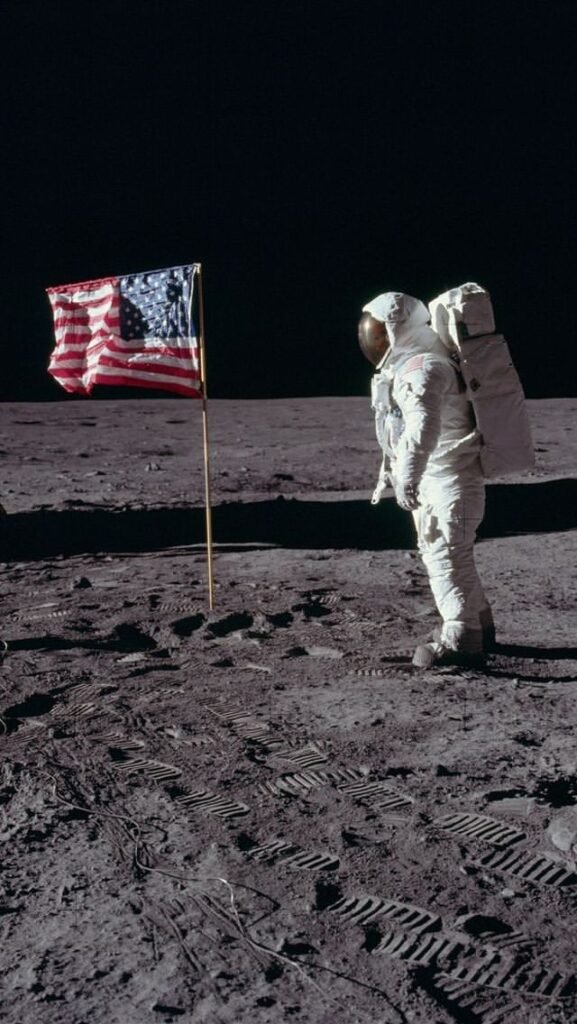
Conspiracy theorists point to footage showing the U.S. flag appearing to wave, suggesting wind was present. This claim ignores the fact that the flag had a horizontal support rod and moved due to astronaut interaction, not wind.
Claim: No Stars Are Visible in Photos
Another argument states that Apollo photographs lack visible stars, implying artificial lighting. In reality, camera exposure settings were adjusted for bright lunar surfaces, making distant stars too faint to capture.
Examination of Scientific Evidence
Physical Evidence from the Moon
Apollo astronauts returned 382 kilograms of lunar rock and soil samples, which have been studied worldwide. These samples contain unique properties that differ from Earth rocks and match material later found by robotic missions from other countries.
Retroreflectors on the Lunar Surface
Astronauts placed laser retroreflectors on the Moon, which are still used today to measure the Earth–Moon distance with high precision. These measurements provide direct, ongoing evidence of human presence on the Moon.
Independent Verification
International Tracking
The Apollo missions were tracked by observatories and space agencies across the world, including rival nations. The Soviet Union, despite political competition, never challenged the authenticity of the Moon landings.
Modern Satellite Imaging
Modern spacecraft have photographed Apollo landing sites, showing descent stages, equipment, and astronaut tracks. These images confirm that objects were placed on the Moon during the Apollo era.
Technical Challenges and Misunderstandings
Photography Misinterpretations
Claims regarding shadows, lighting angles, and image quality often arise from misunderstandings of lunar physics. The Moon’s lack of atmosphere creates sharp shadows and unusual visual effects unfamiliar to Earth-based observers.
Radiation Concerns
Some theories argue that astronauts could not survive radiation from the Van Allen belts. In reality, Apollo trajectories passed through thinner regions of the belts, and exposure time was short enough to pose minimal risk.
Psychological and Social Factors Behind Conspiracies
Human Attraction to Alternative Narratives
Conspiracy theories often offer simple explanations for complex achievements. For some individuals, rejecting official accounts provides a sense of control or hidden knowledge.
Distrust in Authority
Historical instances of government secrecy have contributed to long-term skepticism. However, distrust alone does not invalidate extensive scientific and physical evidence.
NASA Transparency and Documentation
Extensive Records
NASA has released thousands of hours of mission recordings, technical documents, photographs, and mission transcripts. These records have been independently analyzed by scientists, historians, and engineers.
Loss of Original Tapes Misinterpreted
The loss of some original Apollo video tapes has fueled conspiracy claims. However, this loss was due to data reuse practices common at the time and does not affect the existence of multiple backup recordings.
Debunking the Film Studio Theory
Practical Impossibility of a Fake
Staging the Moon landings would have required flawless coordination among hundreds of thousands of participants without a single credible whistleblower. The scale of such deception would be larger than the actual mission itself.
Technology Comparison
The technology used during Apollo is well-documented and consistent with engineering principles of the era. Simpler computers and analog systems were sufficient for navigation due to precise calculations and human oversight.
Role of Education and Scientific Literacy
Importance of Critical Thinking
Understanding basic physics, photography, and space science helps clarify many Apollo-related misconceptions. Education plays a key role in separating evidence-based conclusions from speculation.
Public Access to Information
Today, NASA and other agencies provide open access to mission data, simulations, and educational materials, allowing independent verification of historical claims.
Cultural Impact of Apollo Conspiracies
Entertainment vs Reality
Films, books, and online content often dramatize Apollo conspiracies for storytelling purposes. While engaging, these portrayals should not be mistaken for factual analysis.
Lasting Influence
Apollo conspiracy theories persist partly because they are repeatedly recycled across generations, despite being addressed multiple times by scientific evidence.

Conclusion
The conspiracy theories surrounding the Apollo Moon missions stem from skepticism, misunderstanding, and cultural influence rather than factual evidence. Decades of scientific analysis, physical proof, international verification, and modern observations confirm that humans did land on the Moon. While questioning history is a healthy intellectual exercise, conclusions must be grounded in evidence. The Apollo missions remain a genuine milestone in human exploration, demonstrating what coordinated science, engineering, and ambition can achieve.