
Marijuana, also known as cannabis or weed, has been part of human culture for thousands of years. From ancient rituals to modern conversations about wellness, creativity, and relaxation, marijuana holds a unique place in society. But what does marijuana actually feel like? Beyond myths, hype, and stereotypes, the real experience is layered, personal, and influenced by science, mindset, and environment.
This article breaks down the true feeling of marijuana in a calm, cool, and factual way—no exaggeration, no fear-mongering, and no glorification.
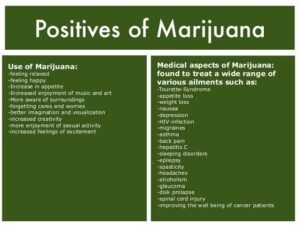
What Is Marijuana and Why It Affects Feelings
Marijuana comes from the Cannabis plant and contains many chemical compounds called cannabinoids. The most well-known are THC (tetrahydrocannabinol) and CBD (cannabidiol).
THC: The Main Driver of the “High”
THC is responsible for most of the psychoactive effects. It interacts with the brain’s endocannabinoid system, especially receptors linked to mood, memory, pleasure, and perception.
CBD: The Balancing Compound
CBD does not cause a high. Instead, it can soften anxiety, reduce inflammation, and balance some of THC’s intense effects.
The feeling of marijuana depends largely on:
THC vs CBD ratio
Dosage
Method of use
Individual brain chemistry
Mental state and surroundingshttp://www.pharma.com
The Initial Feeling: The First 10–30 Minutes
The beginning of a marijuana experience often arrives gently, especially for first-time or occasional users.
A Shift in Awareness
Many people describe the first feeling as a subtle change in perception. Sounds may feel clearer, lights slightly brighter, and thoughts more noticeable. It’s not dramatic at first—more like stepping into a softer mental space.
Body Sensations
Common early physical sensations include:
Warmth in the face or chest
Lightness in the limbs
Relaxation in muscles
Slight increase in heart rate
This stage can feel calming or exciting, depending on the person.
The Mental High: Inside the Marijuana Mindset
As THC fully activates, the mental effects become clearer and more noticeable.
Elevated Mood and Laughter
One of the most talked-about feelings is euphoria. Things may seem funnier, lighter, or more interesting. Laughter can come easily, sometimes without a clear reason.
Deep Thinking or Thought Loops
Marijuana often encourages introspective thinking. People may reflect deeply on life, memories, or creative ideas. At times, thoughts may loop or drift, which can feel fascinating or confusing.
Time Feels Different
Time distortion is common. Minutes may feel longer, or hours may pass unnoticed. This is due to THC’s effect on the brain’s time-processing centers.
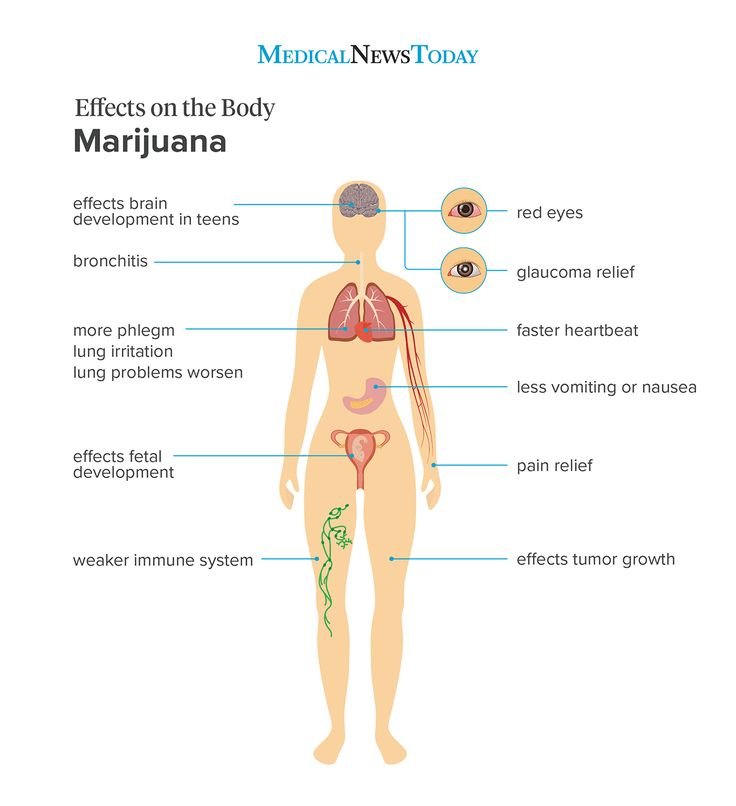
The Physical High: How the Body Feels
Marijuana doesn’t only affect the mind—it also changes how the body feels.
Relaxation and Heaviness
Many users report a sensation of physical calm. Muscles loosen, tension fades, and the body may feel heavier, sometimes described as a “melting” feeling.
Heightened Sensory Touch
Touch can feel more intense. Textures, music vibrations, and even breathing may feel deeper or more noticeable.
Increased Appetite (The Munchies)
THC stimulates hunger hormones. Food may taste richer, sweeter, or more satisfying than usual.
Emotional Effects: Calm, Creativity, or Anxiety
The emotional response to marijuana varies widely.
Positive Emotional Effects
Some common emotional experiences include:
Calmness and stress relief
Emotional openness
Creative inspiration
Feeling connected to surroundings
This is why some people associate marijuana with art, music, or relaxation.
Negative Emotional Effects
Not all feelings are pleasant. Possible uncomfortable emotions include:
Anxiety or restlessness
Paranoia
Overthinking
Emotional sensitivity
These effects are more common with high THC doses, unfamiliar environments, or underlying anxiety.
Different Strains, Different Feelings
Marijuana strains are often grouped into categories, though modern science shows effects vary more by chemical profile than plant type.
Energizing Experiences
Some strains feel uplifting and mentally stimulating. People may feel:
More talkative
Creative
Alert
Calming Experiences
Other strains feel more sedating. These may cause:
Sleepiness
Deep relaxation
Reduced physical tension
The real difference lies in terpenes, natural compounds that influence aroma and effects.
The Role of Set and Setting
Your mindset (set) and environment (setting) strongly shape the marijuana experience.
Mental State Matters
If someone is calm and relaxed, marijuana often amplifies that calm. If someone is stressed or fearful, it may amplify discomfort.
Environment Shapes the Feeling
Safe, familiar spaces usually lead to smoother experiences. Loud, crowded, or tense environments may increase unease.
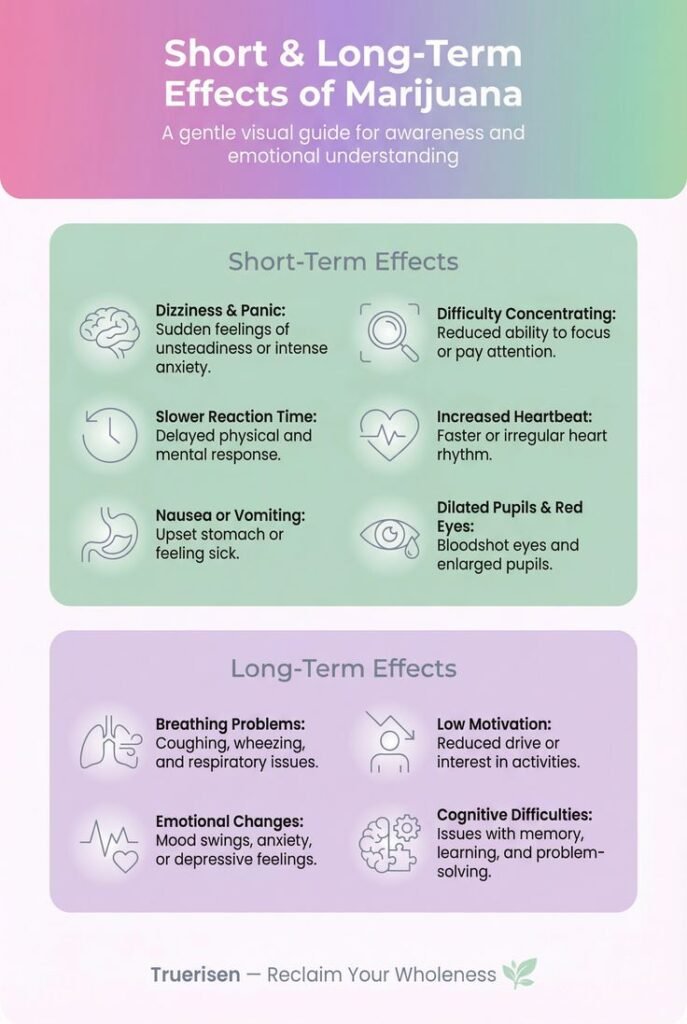
Short-Term Side Effects to Know
Even when used casually, marijuana can cause temporary side effects.
Common Physical Effects
Dry mouth and eyes
Red eyes
Dizziness
Slower reaction time
Cognitive Effects
Short-term memory difficulty
Reduced focus
Slower decision-making
These effects typically fade as the high wears off.
How Long the Feeling Lasts
The duration depends on how marijuana is used.
Inhaled (Smoking or Vaping)
Onset: 5–10 minutes
Peak: 1–2 hours
Total duration: 2–4 hours
Edibles
Onset: 30–90 minutes
Peak: 2–4 hours
Total duration: 6–8 hours or more
Edibles often feel stronger and longer-lasting due to how THC is processed by the liver.
The After-Feeling: Coming Down
As the effects fade, people often feel:
Calm or sleepy
Mentally foggy
Neutral or relaxed
Some experience a gentle “afterglow,” while others may feel tired or slightly unmotivated for a short time.
Long-Term Perspective: Not Just a Feeling
Marijuana is not harmless, but it is also not the extreme substance it’s sometimes portrayed as. Regular or heavy use may affect:
Memory and learning
Motivation
Mental health in vulnerable individuals
Responsible understanding matters more than myths.

Final Thoughts: The Real Feeling of Marijuana
The feeling of marijuana is not one single experience. It’s a blend of mental, physical, and emotional effects shaped by chemistry, environment, and the individual. For some, it feels calming and creative. For others, it can feel overwhelming or uncomfortable.
Understanding marijuana means respecting its complexity—not exaggerating its magic, and not ignoring its risks. The most accurate view sits in the middle: a powerful plant that changes perception, mood, and sensation in very real ways.
Cool. Real. Honest.