Introduction
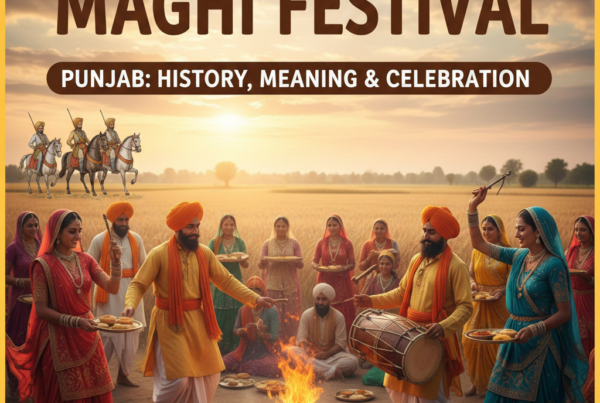
The Uttarayan festival, also popularly known as Utran, is one of the most vibrant and joyful festivals celebrated in India. Observed every year around January 14, the festival marks the transition of the Sun into the zodiac sign Capricorn and the beginning of its northward journey, known as Uttarayan. This day is celebrated with immense enthusiasm, especially in states like Gujarat, Rajasthan, Maharashtra, and parts of North India, where it is closely associated with kite flying, harvest celebrations, and spiritual significance.
What Is Uttarayan or Utran?
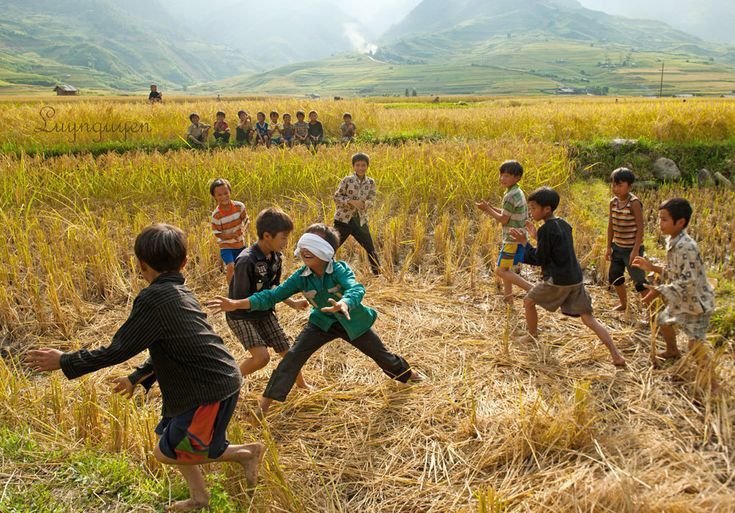
Meaning of Uttarayan
The word Uttarayan comes from Sanskrit, where “Uttar” means north and “Ayan” means movement. It signifies the period when the Sun starts moving northward after the winter solstice. In Indian tradition, this solar transition is considered highly auspicious and symbolizes light, warmth, growth, and positive energy.http://www.truthfrontier.com
Difference Between Uttarayan and Makar Sankranti
Uttarayan is often associated with Makar Sankranti, as both occur around the same time. Makar Sankranti marks the Sun’s entry into Capricorn (Makar), while Uttarayan represents the broader six-month period of the Sun’s northward movement. In many regions, the terms are used interchangeably in daily language.http://www bbcnews.com
Historical and Astronomical Significance
Astronomical Importance
Uttarayan has deep roots in astronomy. It marks the end of the winter solstice and the gradual increase in daylight hours. Ancient Indian scholars observed this solar movement and linked it with agricultural cycles, seasonal change, and cosmic balance.
Mention in Ancient Texts
Uttarayan is mentioned in ancient Indian scriptures and epics. In the Mahabharata, it is believed that Bhishma Pitamah chose to leave his mortal body during Uttarayan, as this period was considered spiritually beneficial for attaining liberation.
Why Uttarayan Is Celebrated
Celebration of Harvest and Prosperity
Uttarayan coincides with the harvest season, especially for crops like sugarcane, wheat, and sesame. Farmers celebrate the fruits of their hard work and express gratitude to nature for a successful harvest. The festival symbolizes abundance, prosperity, and renewal.
Spiritual and Cultural Beliefs
In Hindu belief, Uttarayan is considered an auspicious time for spiritual practices, charity, and rituals. Many people take holy dips in rivers, perform prayers, and donate food, clothes, and money, believing that such acts bring blessings and positive karma.
How Uttarayan (Utran) Is Celebrated
Kite Flying Traditions
Kite Festival in Gujarat
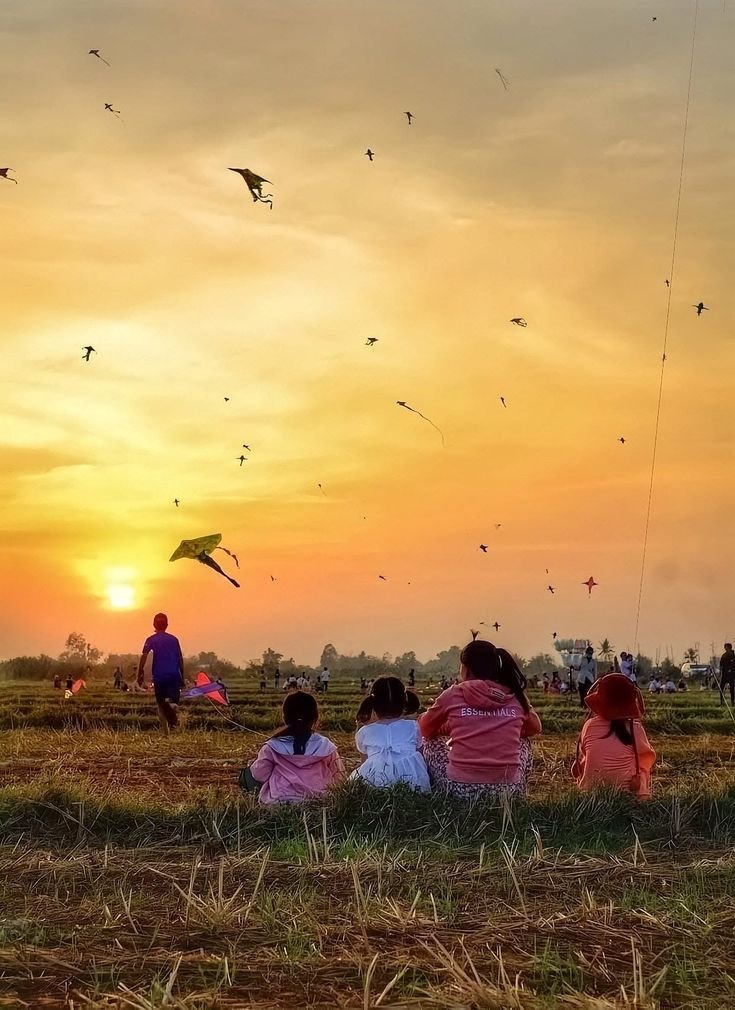
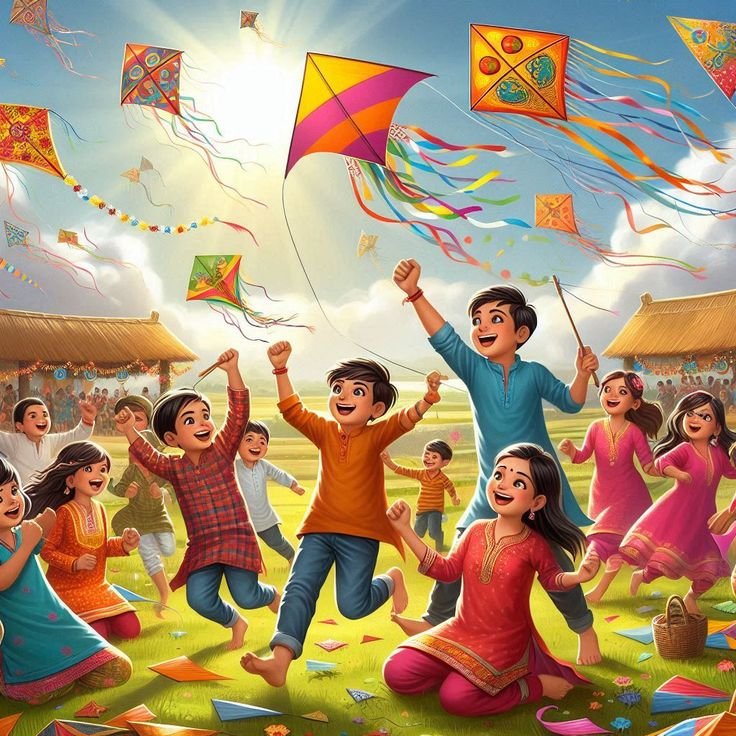
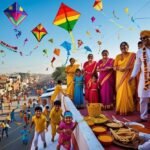
One of the most iconic aspects of Uttarayan is kite flying, especially in Gujarat. Cities like Ahmedabad become a sea of colorful kites filling the sky from early morning till sunset. Rooftops turn into celebration spots where families and friends gather to compete, cheer, and enjoy the festive atmosphere.
Symbolism of Kite Flying
Kite flying symbolizes freedom, joy, and the victory of light over darkness. The act of looking up toward the sky is also seen as a way of connecting with higher energy and welcoming the Sun’s positive influence.
Traditional Foods of Uttarayan
Sesame and Jaggery Delicacies
Food plays an important role in Uttarayan celebrations. Special dishes made from sesame seeds (til) and jaggery (gur) are prepared, such as tilgul laddoos, chikki, and sweets. These ingredients are believed to keep the body warm during winter and promote good health.
Regional Specialties
Different regions celebrate with unique foods. In Gujarat, dishes like undhiyu and jalebi are popular. In Maharashtra, people exchange tilgul while saying sweet words to promote harmony and goodwill.
Social and Cultural Importance
Strengthening Community Bonds
Uttarayan brings people together. Neighbors, families, and friends interact, share food, and celebrate collectively. The festival promotes unity, happiness, and social harmony beyond caste, age, or background.
Festival of Positivity and New Beginnings
The festival represents a fresh start. The longer days and warmer climate symbolize hope, progress, and new opportunities. Many people consider this time ideal for starting new ventures or making positive life changes.
Environmental and Safety Awareness
Responsible Kite Flying
In recent years, awareness has increased about eco-friendly celebrations. Authorities and communities encourage the use of safe, non-harmful kite strings to protect birds and avoid accidents. Responsible celebration ensures that joy does not come at the cost of nature.
Modern Adaptations
With urbanization, celebrations have adapted. Organized kite festivals, safety guidelines, and public awareness campaigns help maintain the festive spirit while ensuring public safety.
Uttarayan in Different Regions of India
Gujarat and Rajasthan
In Gujarat and Rajasthan, Uttarayan is celebrated on a grand scale with international kite festivals, attracting visitors from around the world. The festival reflects regional pride, art, and cultural heritage.
North and South India
In North India, Uttarayan aligns with Makar Sankranti and Lohri traditions. In South India, the same period is celebrated as Pongal, a harvest festival honoring the Sun God and agricultural prosperity.
Global Recognition of Uttarayan
International Kite Festival
The International Kite Festival held in Gujarat has given Uttarayan global recognition. Kite flyers from different countries participate, showcasing unique designs and techniques, turning the festival into a cultural exchange platform.
Cultural Identity and Tourism
Uttarayan has become a symbol of Indian cultural identity. It attracts tourists, promotes local crafts, and supports regional economies through travel, food, and festival activities.
Spiritual Significance of Uttarayan
Auspicious Time for Charity
Donations and acts of kindness performed during Uttarayan are believed to bring spiritual merit. Many people donate food, clothes, and essentials to the needy, reflecting the festival’s humanitarian values.
Connection with Nature and Cosmos
Uttarayan emphasizes harmony between humans and nature. It reminds people of their dependence on natural cycles and the importance of respecting the environment and cosmic balance.
Conclusion
The Uttarayan (Utran) festival is a celebration of light, life, and renewal. Rooted in astronomy, agriculture, spirituality, and culture, it reflects India’s deep connection with nature and seasonal rhythms. From colorful kites filling the skies to sweet traditions and spiritual practices, Uttarayan spreads joy, unity, and positivity. Celebrated responsibly, it continues to inspire hope, gratitude, and togetherness across generations.